Understanding blood sugar levels is central to everyday energy, mood stability, and long-term health. Whether you want to prevent diabetes, manage an existing diagnosis, or simply feel more balanced day to day, learning how blood sugar levels move and how to influence them is one of the most powerful skills you can build. In this comprehensive guide, you will learn what blood sugar levels are, how your body regulates them, what counts as normal blood sugar levels, how to spot problems early, and evidence-based strategies for keeping numbers in a healthy range.
What Are Blood Sugar Levels?
When people talk about blood sugar levels, they are referring to the concentration of glucose circulating in the bloodstream. Glucose is your body’s preferred quick fuel. After you eat carbohydrates, your digestive system breaks them down into glucose, which enters the bloodstream and is delivered to cells for energy.
Your body aims to keep blood sugar levels within a fairly tight window. Too high for too long can damage blood vessels and nerves. Too low can starve the brain and muscles of the energy required to function.
How Your Body Regulates Blood Sugar Levels
Two main hormones modulate blood sugar levels:
- Insulin: Released by the pancreas when levels rise, especially after meals. It helps glucose move from the bloodstream into cells, and promotes storage as glycogen or fat.
- Glucagon: Released when levels fall, such as between meals or overnight. It signals the liver to release stored glucose or generate new glucose to stabilize blood sugar levels.
Other hormones like cortisol, epinephrine, and growth hormone can raise blood sugar levels during stress, illness, or intense exercise. This is normal, but chronic stress can keep them elevated more often than you want.
Units of Measurement
Depending on where you live, blood sugar levels are measured in mg/dL (milligrams per deciliter) or mmol/L (millimoles per liter). To convert mg/dL to mmol/L, divide by 18. For example, 90 mg/dL is about 5.0 mmol/L.
Normal Blood Sugar Levels
Understanding normal blood sugar levels provides a reference for your personal targets. Context matters: timing, recent activity, stress, and what you ate all influence readings. Still, there are widely accepted ranges used by clinicians and public health organizations.
Blood Sugar Levels Chart: Typical Reference Ranges
The following blood sugar levels chart summarizes common adult targets. Always personalize targets with your healthcare provider.
| Timing | Typical target (mg/dL) | Typical target (mmol/L) | Notes |
|---|---|---|---|
| Fasting (8+ hours) | 70–99 | 3.9–5.5 | Common benchmark for normal blood sugar levels fasting |
| 1–2 hours after eating | Under 140 | Under 7.8 | Measured for blood sugar levels after eating |
| Random (non-fasting) | Generally under 140 | Under 7.8 | Varies by recent food, activity, stress |
| Bedtime (individuals with diabetes) | 90–140 | 5.0–7.8 | Targets are personalized in diabetes |
These values reflect normal blood sugar levels for most adults, but they are general guides, not rigid rules. Personalized targets may differ during pregnancy, in older adults, in athletes, and in people with certain medical conditions.
Blood Sugar Levels in Diabetes
Understanding blood sugar levels in diabetes helps contextualize diagnostic thresholds and treatment goals.
- Prediabetes: Fasting 100–125 mg/dL (5.6–6.9 mmol/L) or A1C 5.7–6.4 percent. Post-meal 140–199 mg/dL (7.8–11.0 mmol/L).
- Diabetes: Fasting 126 mg/dL (7.0 mmol/L) or higher on two separate tests, A1C 6.5 percent or higher, or a random glucose of 200 mg/dL (11.1 mmol/L) or higher with symptoms.
Once diagnosed, treatment focuses on keeping blood sugar levels in a target range most of the time, preventing complications, and supporting quality of life. A1C reflects average levels over about three months, while self-monitoring and continuous glucose monitors reveal day-to-day patterns in blood sugar levels in diabetes.
Factors That Influence Blood Sugar Levels
Many interacting factors move your blood sugar levels. Recognizing them can help you make small tweaks that add up to big benefits.
Food Quality and Quantity
Carbohydrates have the most direct effect on blood sugar levels, but protein, fat, fiber, and meal timing also matter. Consider:
- Carb type: Whole, minimally processed carbs with fiber tend to produce steadier blood sugar levels than refined starches and sugars.
- Portion size: Larger carb loads push blood sugar levels higher; distributing intake more evenly can help.
- Protein and fat: Adding protein and healthy fats slows digestion, smoothing blood sugar levels after eating.
- Vinegar and bitter greens: A small pre-meal salad with vinegar may blunt spikes in blood sugar levels for some people.
Physical Activity
Exercise generally improves insulin sensitivity and lowers blood sugar levels. Even short post-meal walks can reduce blood sugar levels after eating. Resistance training builds muscle, giving glucose more places to go.
Sleep and Stress
Short or poor-quality sleep and chronic stress elevate cortisol, which can raise blood sugar levels. Consistent sleep routines and stress-reduction practices like breathing exercises, yoga, or mindful walks can improve stability.
Hormones and Life Stages
Hormonal shifts during the menstrual cycle, menopause, or pregnancy can alter blood sugar levels. Gestational diabetes screening is standard because pregnancy hormones often increase insulin resistance and can change blood sugar levels significantly.
Illness and Medications
Infections, steroids, some decongestants, and certain psychiatric medications can raise blood sugar levels. Nausea and poor appetite can lower them. Always discuss medication changes with your clinician and monitor more often when health status changes.
Symptoms Linked to Blood Sugar Levels
Understanding blood sugar levels symptoms helps you respond quickly to both highs and lows.
High Blood Sugar Levels: Signs and Risks
High blood sugar levels (hyperglycemia) may develop slowly. Common symptoms include:
- Increased thirst and frequent urination
- Blurred vision and headaches
- Fatigue, irritability, brain fog
- Slow-healing cuts or frequent infections
Chronically elevated blood sugar levels increase risk for heart disease, kidney disease, nerve damage, and vision problems. Early detection and sustained management are key.
Low Blood Sugar Levels: Signs and Safety
Low blood sugar levels (hypoglycemia) can occur with certain diabetes medications, prolonged fasting, heavy exercise, or inadequate intake. Symptoms include:
- Shakiness, sweating, rapid heartbeat
- Hunger, nausea, anxiety
- Confusion, dizziness, trouble concentrating
If levels are low and you have diabetes or take medications that can cause lows, use the 15-15 rule: consume about 15 grams of fast-acting carbs, wait 15 minutes, then recheck. Discuss a personalized plan with your clinician to prevent recurrent low episodes.
Testing and Tracking Blood Sugar Levels
Monitoring blood sugar levels shows how your choices and your body’s physiology interact. It is also essential for people with diabetes, prediabetes, or metabolic concerns.
How to Measure
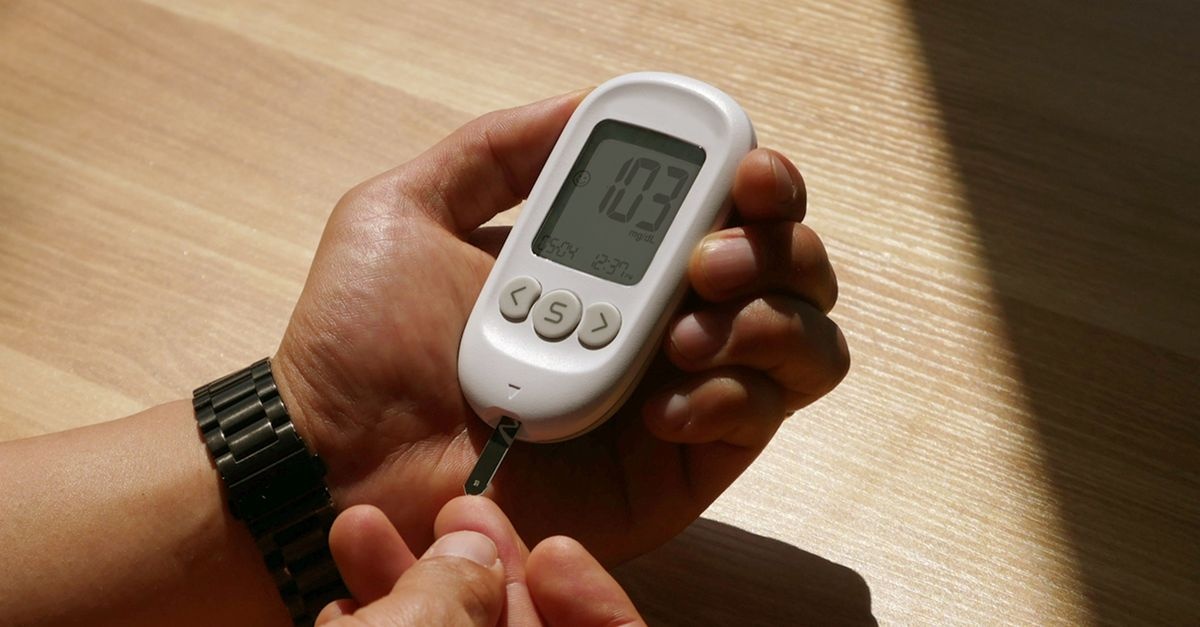
- Glucometer: A fingerstick meter provides snapshots of blood sugar levels.
- Continuous Glucose Monitor (CGM): A small sensor tracks levels throughout the day, revealing trends and how meals and activities affect blood sugar levels.
- Lab tests: Fasting plasma glucose, oral glucose tolerance tests, and A1C reflect blood sugar levels over different time frames.
Blood Sugar Levels Fasting
For many people, the most informative single data point is blood sugar levels fasting. After 8 or more hours without calories, the body’s baseline regulation shines through. Patterns like elevated morning readings can reflect the dawn phenomenon or high overnight levels. Tracking fasting readings several times per week can highlight trends and guide adjustments.
Blood Sugar Levels After Eating
Checking blood sugar levels after eating (usually 1–2 hours after a meal) reveals how specific foods and meal combinations affect you. People often discover that portion size, added fiber or protein, and a 10–20 minute walk after the meal can noticeably smooth post-meal spikes in blood sugar levels.
How to Lower Blood Sugar Levels
If you want to learn how to lower blood sugar levels, start with sustainable habits that give quick feedback and build momentum.
Plate and Pantry Strategies
- Front-load protein and fiber: Begin meals with vegetables and protein to temper rises in blood sugar levels.
- Choose slow carbs: Opt for legumes, whole grains, and intact fruits; these typically lead to steadier blood sugar levels than refined options.
- Smart swaps: Replace sugar-sweetened beverages with water, unsweetened tea, or sparkling water; liquid sugars spike blood sugar levels rapidly.
- Vinegar or fermented foods: A tablespoon of vinegar in a salad or inclusion of fermented vegetables may blunt post-meal blood sugar levels for some people.
Move More, Strategically
- Short walks: A 10–15 minute walk after meals can lower blood sugar levels by helping muscles soak up glucose.
- Strength training: Building muscle increases glucose storage capacity and improves everyday blood sugar levels.
- Break up sitting: Stand or walk briefly every 30–60 minutes to reduce prolonged elevations in blood sugar levels.
Sleep, Stress, and Routine
- Consistent sleep: Aim for 7–9 hours; better sleep often equals steadier blood sugar levels.
- Stress skills: Breathing drills, light stretching, or meditation lower stress hormones that push blood sugar levels up.
- Regular meal timing: Predictable eating windows can improve daily rhythm of blood sugar levels.
Medical Care and Medications
For many with diabetes, lifestyle steps are powerful but not always sufficient. Medications can help keep blood sugar levels in range and reduce risk of complications. Common classes include metformin, GLP-1 receptor agonists, SGLT2 inhibitors, DPP-4 inhibitors, insulin, and others. Work with your clinician to tailor choices to your needs, preferences, and other health goals.
Important: Never change your medication plan without medical guidance. If you are experiencing frequent high or low readings, seek personalized advice to refine your targets and strategies.
Special Situations That Change Blood Sugar Levels
Life events and conditions can shift how your body handles glucose, altering blood sugar levels temporarily or chronically.
Children and Teens
Growth spurts and hormonal fluctuations can cause variable blood sugar levels. Parents and teens benefit from pattern tracking, flexible meal planning, and pre-sport strategies to reduce both lows and highs.
Older Adults
For some older adults, slightly wider targets may reduce the risk of low episodes. Cognitive changes, medication interactions, and appetite shifts can all affect blood sugar levels, so individualized plans are essential.
Pregnancy and Gestational Considerations
Pregnancy increases insulin resistance, often raising blood sugar levels. Targets can be stricter to protect mother and baby. Many providers recommend fasting under 95 mg/dL and specific goals for post-meal readings. Discuss screening, monitoring, and nutrition strategies early in pregnancy.
Illness and Recovery
Fever, infections, and injuries can elevate blood sugar levels. Hydration, frequent checks, and a sick-day plan are essential if you have diabetes. Conversely, poor appetite may predispose you to lows; keep fast-acting carbs available and contact your care team if readings become erratic.
Putting It All Together: A Practical Framework
Think of your daily life as a set of levers that gently shape blood sugar levels. Pull a few levers consistently and progress compounds.
- Morning: Check fasting to see where your baseline blood sugar levels stand. If elevated, consider whether late-night snacks, sleep quality, or stress might be contributing.
- Midday: Structure lunches with protein, fiber, and slow carbs; add a short post-meal walk to smooth blood sugar levels after eating.
- Evening: Avoid large, late meals if you notice higher overnight blood sugar levels. Wind down to protect sleep.
- Weekly: Resistance training 2–3 times per week for metabolic support and steadier blood sugar levels.
Frequently Asked Questions
What are normal blood sugar levels throughout the day?
Common references include fasting 70–99 mg/dL and post-meal peaks under 140 mg/dL in people without diabetes. Targets vary; use a blood sugar levels chart as a guide and personalize with your clinician.
How can I tell if I have high blood sugar levels?
Thirst, frequent urination, fatigue, and blurry vision are classic signs. Confirm with measurements. Persistent high blood sugar levels warrant medical evaluation.
What about low blood sugar levels if I am not on diabetes medication?
True hypoglycemia is less common without certain medications but can still occur. Symptoms include shakiness, sweating, and confusion. If low blood sugar levels happen repeatedly, see a clinician.
Do I need to check blood sugar levels if I do not have diabetes?
Routine checks are not required for most people, but spot-checks or a short-term CGM trial can be insightful if you have symptoms, risk factors, or want to optimize performance and energy.
What is the best time to measure blood sugar levels fasting?
After at least 8 hours without calories, typically first thing in the morning. Tracking blood sugar levels fasting a few times per week can reveal trends.
What influences blood sugar levels after eating the most?
Carb type and amount, fiber, protein, fat, and activity. A balanced plate and brief walk are two of the most effective levers for steady blood sugar levels post-meal.
Are targets different for blood sugar levels in diabetes?
Yes. Targets are individualized based on age, comorbidities, and risk of hypoglycemia. A1C and time-in-range complement daily checks to manage blood sugar levels in diabetes.
A Step-by-Step Plan to Improve Blood Sugar Levels
If you are ready to act, use this simple plan to improve blood sugar levels steadily.
Week 1: Measure and Map
- Check fasting blood sugar levels 3–4 mornings.
- Pick two meals to test. Check blood sugar levels after eating at 60 and 120 minutes to see your personal curve.
- Note sleep, stress, food, and movement alongside readings.
Week 2: Tweak the Plate
- Lead with veggies and protein at meals to soften blood sugar levels spikes.
- Swap refined carbs for higher-fiber options and observe effects on blood sugar levels.
- Experiment with a splash of vinegar or fermented foods.
Week 3: Layer In Movement
- Add a 10–15 minute post-meal walk to reduce blood sugar levels swings.
- Begin or resume strength training 2–3 times weekly.
Week 4 and Beyond: Reinforce and Personalize
- Refine choices based on your data trends in blood sugar levels.
- Address sleep and stress for more stable daily blood sugar levels.
- Consult your healthcare provider to personalize targets, especially if you notice repeated highs or lows.
When to Seek Medical Advice
- Consistently elevated fasting blood sugar levels (100 mg/dL or higher) over multiple checks.
- Post-meal readings frequently over 180 mg/dL at 1–2 hours.
- Recurrent low blood sugar levels or symptoms of hypoglycemia.
- Signs of infection or illness with unexpected changes in blood sugar levels.
Early attention leads to simpler solutions and can prevent complications.
Conclusion
The big idea is simple: your everyday habits gently nudge blood sugar levels up or down. By understanding normal blood sugar levels, learning your unique responses, and applying practical steps like balanced meals, brief post-meal walks, consistent sleep, and stress reduction, you can smooth blood sugar levels and feel better day to day. If readings remain high or you experience low episodes, partner with your care team to tailor a plan. With patience and consistency, you can build a sustainable rhythm that keeps blood sugar levels in a healthy range.
This article is for educational purposes and not a substitute for professional medical advice. Always consult a qualified healthcare provider for personal guidance on testing, diagnosis, and treatment.