Kidney stones are among the most common and painful urinary conditions, yet they are also one of the most preventable. Whether you have experienced the sharp, unmistakable pain before or you are trying to protect yourself and your family, understanding the causes, the symptoms of kidney stones, and realistic prevention strategies can change your health trajectory. In this in-depth guide, you will learn what causes kidney stones, how to recognize them early, how clinicians diagnose them, the full spectrum of treatment for kidney stones, and practical, everyday steps for preventing kidney stones over the long term.
What Are Kidney Stones?
Kidney stones are solid crystals that form from minerals and salts in your urine. They can be as tiny as a grain of sand or grow large enough to obstruct the urinary tract. When a stone moves from the kidney into the ureter (the tube connecting the kidney to the bladder), it can cause severe, colicky pain that often comes in waves. While many stones pass on their own, some require medical intervention to prevent complications such as infection, kidney damage, or persistent obstruction.
Although anyone can develop kidney stones, they are more common in adults, people with a family history, and those who are chronically dehydrated. The good news is that thoughtful changes in diet, hydration, and lifestyle can reduce risk dramatically, and modern treatments significantly improve outcomes when stones do occur.
What Causes Kidney Stones?
At a basic level, what causes kidney stones is an imbalance: urine becomes too concentrated with certain minerals or too low in substances that prevent crystal formation. When water intake is inadequate, urine volume drops and crystals are more likely to form and grow. Other contributors include high sodium intake, excess animal protein, high oxalate intake, low dietary calcium, certain medications, and medical conditions such as gout, hyperparathyroidism, and inflammatory bowel disease.
- Low fluid intake: Dehydration concentrates the urine, raising the risk of kidney stones.
- High sodium diet: Sodium increases urinary calcium, a key driver of calcium-based stones.
- Excess animal protein: High protein intake can increase calcium and uric acid in urine and lower citrate.
- Oxalate-rich foods: In susceptible people, high oxalate intake promotes calcium oxalate stones.
- Metabolic issues: Hyperparathyroidism, gout, and insulin resistance can all promote stones.
- Genetics and anatomy: A family history or structural urinary tract issues can predispose to kidney stones.
- Medications: Some diuretics, antacids, antivirals, and supplements can increase risk.
In short, kidney stones form when intake, metabolism, and excretion combine to tip chemistry in favor of crystallization. Understanding your specific contributors is the key to targeted prevention.
Types of Kidney Stones
Knowing the types of kidney stones helps tailor prevention and treatment. Stone analysis—often done after you pass a stone or it is removed—reveals the mineral composition.
- Calcium oxalate: The most common stones. Drivers include low fluid intake, high sodium, high oxalate, and low dietary calcium.
- Calcium phosphate: Often associated with higher urine pH, hyperparathyroidism, or renal tubular acidosis.
- Uric acid: Linked with acidic urine, gout, high animal protein, and metabolic syndrome.
- Struvite: Infection-related stones associated with certain bacteria that raise urine pH; can grow rapidly.
- Cystine: Rare, hereditary stones due to cystinuria, a genetic transporter defect.
Because prevention depends on the stone’s chemistry, people with kidney stones should ask for stone analysis and a 24-hour urine test to guide individualized strategies.
Symptoms of Kidney Stones
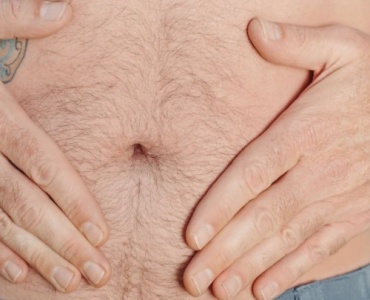
The classic symptoms of kidney stones include sudden, severe flank pain that may radiate to the lower abdomen or groin, often described as waves of cramping or stabbing pain. The pain typically begins when a stone moves into the ureter and may intensify with movement. Nausea and vomiting are common due to the intensity of the pain.
- Sharp, colicky pain in the flank, lower back, or side
- Pain that radiates to the groin or testicles
- Blood in the urine (pink, red, or brown urine)
- Urgency and frequent urination, especially if the stone is near the bladder
- Burning with urination
- Nausea and vomiting
- Fever and chills (a medical emergency if accompanied by obstruction)
If you suspect kidney stones, especially with fever or an inability to keep fluids down, seek medical care promptly. Early evaluation can prevent complications and open the door to more effective pain control.
How Kidney Stones Are Diagnosed
Clinicians diagnose kidney stones based on symptoms, urine tests, blood tests, and imaging. A non-contrast CT scan is the most sensitive test and can detect stones throughout the urinary tract. Ultrasound is useful, especially to avoid radiation, and can identify kidney swelling and many stones. Urinalysis may show blood, infection, or crystals, while blood tests can evaluate kidney function and metabolic contributors.
Treatment for Kidney Stones
Treatment for kidney stones depends on the stone’s size, location, composition, symptoms, and infection status. Many small stones pass spontaneously with hydration and pain control. Larger stones, infected stones, or stones that do not move may require procedures to remove or fragment them. The goals are to relieve pain, clear the stone, protect kidney function, and prevent recurrence.
As you and your clinician plan care for kidney stones, expect a two-part approach: acute management to pass or remove the current stone, followed by long-term prevention tailored to your stone type and urine chemistry.
Conservative care and kidney stones pain relief
For uncomplicated, small kidney stones, conservative care is often the first step. Adequate hydration helps increase urine volume and flushing. For kidney stones pain relief, nonsteroidal anti-inflammatory drugs (NSAIDs) are commonly used, as they reduce both pain and ureteral swelling. Heat packs, rest, and positional changes may provide additional comfort. Your clinician may also recommend medical expulsive therapy with alpha-blockers to relax the ureter and facilitate stone passage.
Medications that support passage
Alpha-blockers can shorten time to stone passage and reduce the need for stronger analgesics. Depending on the type of kidney stones, preventive medications may be introduced later, such as thiazide diuretics for calcium stones, potassium citrate to raise urinary citrate and pH, or allopurinol for uric acid stones.
Kidney stones surgery and procedures
When stones are too large, obstructed, infected, or unresponsive to conservative measures, minimally invasive kidney stones surgery offers effective solutions:
- Shock wave lithotripsy (SWL): Sound waves fragment stones so they can pass more easily.
- Ureteroscopy with laser lithotripsy: A scope is passed through the urethra and bladder into the ureter or kidney to visualize and laser-fragment stones; fragments are removed with a basket.
- Percutaneous nephrolithotomy (PCNL): For large or complex stones, a small incision in the back allows direct access to remove the stone.
Choice of procedure depends on stone size, location, composition, and patient factors. After removal, preventing recurrent kidney stones becomes the priority.
Diet for Kidney Stones
A tailored diet for kidney stones is central to prevention. While specifics depend on stone type and your urine’s chemistry, several evidence-based principles apply broadly. Balanced hydration, moderate sodium, adequate dietary calcium, and appropriate protein intake generally reduce stone risk across types.
Hydration and kidney stones and dehydration
Hydration is foundational because kidney stones and dehydration go hand in hand. Aim for urine that is pale yellow throughout the day. Many adults do best targeting at least 2–2.5 liters of urine output daily, which may require drinking roughly 2.5–3 liters of fluids depending on climate and activity. Water should make up most of your intake, with citrus waters (lemon or lime) adding natural citrate, a crystal inhibitor that helps prevent kidney stones.
Calcium, oxalate, sodium, and protein
For most calcium-based kidney stones, the goal is to lower urinary calcium and oxalate while maintaining adequate calcium intake from food (not excess supplements):
- Dietary calcium: Consume calcium from foods (e.g., dairy, fortified alternatives, leafy greens) with meals. Calcium binds oxalate in the gut, lowering oxalate absorption.
- Oxalate management: Limit very high-oxalate items if you are high-risk (e.g., spinach, beets, almonds, rhubarb), and pair oxalate foods with calcium sources.
- Sodium control: High sodium raises urinary calcium; aim for an overall moderate sodium pattern by focusing on whole, minimally processed foods.
- Protein balance: Keep animal protein moderate; include plant proteins and fiber to support urinary chemistry that is less conducive to kidney stones.
For uric acid stones, modestly reducing purine-rich foods and raising urine pH with fruits and vegetables can help. Your clinician may suggest potassium citrate or other measures based on your test results.
Sample day of eating
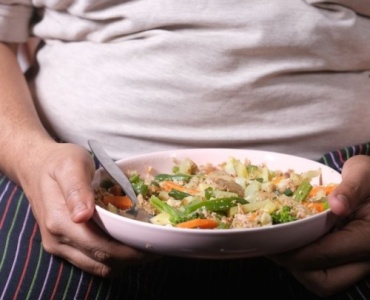
A simple day aligned with a diet for kidney stones might include: oatmeal with milk and berries for breakfast; a quinoa and chickpea salad with mixed vegetables for lunch; grilled salmon with roasted broccoli and brown rice for dinner; and citrus water throughout the day. Snacks could be yogurt, a small banana, or carrots with hummus. This pattern offers hydration, moderate sodium, adequate calcium, and fiber to support urinary balance and minimize kidney stones risk.
Preventing Kidney Stones
Preventing kidney stones is both possible and practical when strategies are tailored to your stone type and urine chemistry. After an initial stone event, ask about metabolic evaluation with a 24-hour urine collection to identify your personal risk factors and track progress over time.
Lifestyle strategies that work
- Hydrate deliberately: Spread fluids across the day; include a glass of water with every meal and snack.
- Moderate sodium: Cook more at home, flavor with herbs and citrus, and check labels on breads, sauces, and soups.
- Right-size protein: Prioritize plant-forward eating while enjoying moderate portions of fish, poultry, or lean meat.
- Get dietary calcium: Include calcium-rich foods at meals rather than relying on high-dose supplements.
- Stay active and manage weight: Regular movement supports metabolic health linked to fewer kidney stones.
- Follow-up testing: Use urine testing to refine your plan and verify that your prevention efforts are working.
Home remedies for kidney stones: what helps and what to avoid
Many people look for home remedies for kidney stones, and a few simple approaches can complement medical care. Hydration with water and lemon can increase urinary citrate; heat packs can ease muscle tension; and gentle movement may help stones progress. Be cautious with unproven remedies or excessive supplements—some can worsen urinary chemistry. Always discuss alternative therapies with your clinician, especially if you have other medical conditions or take medications for kidney stones or blood pressure.
Special considerations: pregnancy, children, and recurrent stones
Pregnant people can and do develop kidney stones, but evaluation prioritizes ultrasound to avoid radiation, and pain control is chosen carefully. Children with stones warrant evaluation for underlying metabolic or anatomical drivers. For anyone with recurrent stones, a structured plan combining diet, hydration, and, when indicated, medication offers the best chance of long-term success.
When to seek urgent medical care
While many kidney stones pass without complications, certain red flags require urgent attention: fever, chills, or signs of infection; unrelenting vomiting; severe, uncontrolled pain; inability to pass urine; and stones in people with a single kidney, known kidney disease, or during pregnancy. Rapid treatment can be lifesaving if a stone is blocking the urinary tract and infection is present.
Frequently asked questions and myths
Do only certain people get stones? Anyone can develop kidney stones, but risk increases with dehydration, high sodium diets, metabolic conditions, and family history. Are all stones caused by calcium? Calcium stones are most common, but uric acid, struvite, and cystine stones also occur. Is drinking milk bad? No—dietary calcium often protects against stones by binding oxalate in the gut. Can I prevent stones with water alone? Hydration is the most powerful step, but diet and, in some cases, medications complete a truly effective prevention plan.
The bottom line
Kidney stones are painful, but with knowledge and a personalized plan, most people can reduce their risk dramatically. Understand your stone type, address the root causes, and commit to daily habits—hydration, smart sodium and protein choices, adequate dietary calcium, and regular follow-up testing. If a stone does strike, today’s treatments offer excellent outcomes, and the same steps that ease the current episode will help prevent the next.
Disclaimer: This article is for educational purposes only and is not a substitute for professional medical advice. If you suspect kidney stones or have severe symptoms, seek care from a qualified clinician.