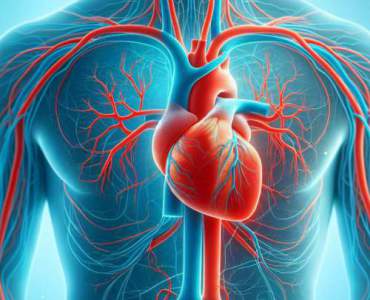
Choosing a heart healthy diet is one of the most effective ways to protect your cardiovascular system for the long term. By centering your plate on nourishing whole foods, you can improve cholesterol, support healthy blood pressure, and sustain energy—while still savoring bold flavors and satisfying textures.
Introduction to a heart healthy diet
A heart healthy diet emphasizes nutrient-dense, minimally processed foods that support optimal blood flow, balanced lipids, and stable blood sugar. Rather than a short-term fix, a heart healthy diet is a sustainable eating pattern that can fit your taste, culture, and lifestyle.
From more vibrant produce to high-fiber grains and healthy fats, a heart healthy diet gives your body the building blocks it needs to function at its best. With a few smart swaps and a bit of planning, you’ll discover how simple and enjoyable this approach can be.
What does a heart healthy diet look like? A heart healthy diet typically emphasizes:
- Plenty of colorful vegetables and fruits
- Whole grains rich in fiber
- Lean proteins like fish, beans, and lentils
- Healthy fats from olive oil, nuts, seeds, and avocado
- Limited added sugars, refined grains, and excess sodium
The benefits of a heart healthy diet
The benefits of a heart healthy diet go far beyond heart disease prevention. People often report better energy, more stable moods, improved digestion, and easier weight management. Over time, consistent food choices can help reduce LDL cholesterol, support HDL cholesterol, and promote healthy blood pressure.
Because the benefits of a heart healthy diet compound over time, even small, consistent changes—like swapping refined grains for whole grains or cooking with olive oil instead of butter—can add up to measurable improvements. Pair these habits with daily movement, and you’ll create a foundation for lasting health.
10 Essential Foods for a Heart Healthy Diet
Below are the 10 essential heart healthy diet foods to prioritize each week. These foods deliver fiber, antioxidants, and healthy fats to support vessels, circulation, and overall vitality.
1) Fatty Fish (Salmon, Mackerel, Sardines)
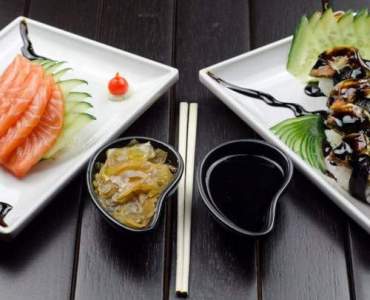
Why it matters: Fatty fish are rich in omega-3 fatty acids (EPA and DHA), which support healthy triglycerides, help maintain normal blood pressure, and may reduce systemic inflammation.
How it fits into a heart healthy diet: Aim for two servings per week, grilled, baked, or broiled. Avoid deep frying to keep the benefits intact.
- Easy ideas: Salmon with lemon and herbs; sardines on whole-grain toast with tomatoes; mackerel salad with olive oil and capers.
2) Leafy Greens (Spinach, Kale, Arugula)
Why it matters: Leafy greens provide potassium, magnesium, and nitrates that support healthy blood pressure, plus folate and vitamin K for vessel function.
How it fits into a heart healthy diet: Add a generous handful to smoothies, omelets, and salads, or sauté with garlic and olive oil.
- Easy ideas: Kale salad with lemon-tahini dressing; spinach pesto on whole-grain pasta; arugula under roasted fish.
3) Berries (Blueberries, Strawberries, Raspberries)
Why it matters: Berries are packed with anthocyanins and vitamin C, supporting vascular health and defending against oxidative stress.
How it fits into a heart healthy diet: Enjoy a cup several times per week—fresh, frozen, or thawed—on yogurt, oatmeal, or as a snack.
- Easy ideas: Berry-chia yogurt parfait; warm berries over steel-cut oats; frozen berry smoothie with spinach.
4) Whole Grains (Oats, Quinoa, Barley)
Why it matters: Whole grains deliver fiber (especially beta-glucan in oats) that supports healthy cholesterol and satiety. They also provide minerals like magnesium for heart and muscle function.
How it fits into a heart healthy diet: Swap refined grains for whole grains at most meals to increase fiber and nutrient intake.
- Easy ideas: Overnight oats with berries; quinoa bowls with beans and veggies; barley soups and stews.
5) Nuts and Seeds (Walnuts, Almonds, Flax, Chia)
Why it matters: Nuts and seeds provide healthy fats, plant-based omega-3s (ALA in flax and chia), and fiber that support cholesterol and blood sugar balance.
How it fits into a heart healthy diet: Enjoy a small handful of nuts or a tablespoon of seeds daily, or use nut butters as a snack paired with fruit.
- Easy ideas: Walnut-topped salads; chia pudding; ground flax in smoothies; almond butter on apple slices.
6) Legumes (Lentils, Chickpeas, Black Beans)
Why it matters: Legumes offer plant protein, soluble fiber, and minerals that support heart health and satiety, which is helpful for weight management.
How it fits into a heart healthy diet: Include legumes 3–5 times weekly in soups, salads, grain bowls, and dips.
- Easy ideas: Lentil soup with tomatoes; chickpea salad with lemon and herbs; black bean chili with veggies.
7) Extra-Virgin Olive Oil
Why it matters: Extra-virgin olive oil is rich in monounsaturated fats and polyphenols that support healthy lipids and vascular function when used in place of saturated fats.
How it fits into a heart healthy diet: Use as your main cooking and finishing oil for sautéing, roasting, and dressings.
- Easy ideas: Olive oil vinaigrettes; roasted vegetables; drizzle over fish or whole-grain dishes.
8) Avocado
Why it matters: Avocado provides fiber, potassium, and monounsaturated fats that support healthy blood pressure and cholesterol.
How it fits into a heart healthy diet: Add slices to sandwiches, mash on whole-grain toast, blend into smoothies, or dice into salads.
- Easy ideas: Avocado-lime salsa; guacamole with fresh veggies; avocado-cucumber salad.
9) Tomatoes (and Tomato Products)
Why it matters: Tomatoes supply lycopene and vitamin C; cooked tomato products can increase lycopene bioavailability for vascular support.
How it fits into a heart healthy diet: Use fresh tomatoes in salads and cooked sauces in soups and stews to add flavor and antioxidants.
- Easy ideas: Tomato-basil salad; slow-simmered marinara; tomato-lentil stew.
10) Dark Chocolate (70%+ Cacao)
Why it matters: Dark chocolate in moderate portions provides flavanols that may support healthy blood flow, when included as part of an overall balanced pattern.
How it fits into a heart healthy diet: Enjoy a small square (about 1 oz/28 g) a few times a week, ideally after meals.
- Easy ideas: Dark chocolate with berries; cacao nibs sprinkled on yogurt; a square with nuts and tea.
Together, these heart healthy diet foods offer a practical, flavorful foundation for everyday cooking.
Sample 3-Day heart healthy diet meal plan
This heart healthy diet meal plan shows how to combine the foods above into simple, satisfying meals that fit a busy schedule.
Portion sizes depend on your needs; listen to hunger and fullness cues, and adjust servings accordingly for your heart healthy diet.
Day 1
- Breakfast: Overnight oats with chia, blueberries, and a drizzle of extra-virgin olive oil
- Lunch: Kale and quinoa bowl with chickpeas, cherry tomatoes, cucumbers, and lemon-tahini dressing
- Snack: Apple slices with almond butter
- Dinner: Baked salmon with roasted Brussels sprouts and barley
Day 2
- Breakfast: Greek yogurt parfait with raspberries, walnuts, and ground flaxseed
- Lunch: Lentil and tomato soup with a side salad and whole-grain bread
- Snack: Carrot sticks with hummus
- Dinner: Mackerel over arugula with avocado, olives, and a citrus-olive oil vinaigrette
Day 3
- Breakfast: Spinach and mushroom omelet with sliced tomato
- Lunch: Black bean and quinoa stuffed peppers with salsa
- Snack: Pear with a small handful of almonds
- Dinner: Whole-wheat pasta with slow-simmered marinara, a side of steamed greens, and a square of dark chocolate
Easy heart healthy diet recipes
If you want easy heart healthy diet recipes that are weeknight-friendly, start with these three staples. They’re flexible, budget-conscious, and big on flavor.
1) 15-Minute Lemon-Garlic Salmon
Ingredients:
- 2 salmon fillets
- 1 tbsp extra-virgin olive oil
- 1 lemon (zest and juice)
- 2 garlic cloves, minced
- Salt and pepper to taste
- Fresh herbs (parsley or dill)
Directions:
- Pat salmon dry and season with salt and pepper.
- Whisk olive oil, garlic, lemon zest, and juice.
- Brush salmon with the mixture; broil or bake at 400°F/200°C for 10–12 minutes.
- Finish with herbs; serve with greens and whole grains.
2) Kale-Quinoa Power Salad
Ingredients:
- 4 cups chopped kale
- 1 cup cooked quinoa
- 1 cup chickpeas
- 1 cup cherry tomatoes, halved
- 1 avocado, diced
- 2 tbsp extra-virgin olive oil
- 2 tbsp lemon juice
- Salt, pepper, and optional chili flakes
Directions:
- Massage kale with a pinch of salt until softened.
- Toss with quinoa, chickpeas, tomatoes, and avocado.
- Whisk olive oil, lemon, and seasonings; combine and adjust to taste.
3) Tomato-Lentil Comfort Stew
Ingredients:
- 1 cup dry lentils, rinsed
- 1 can crushed tomatoes
- 1 onion, diced
- 2 carrots, diced
- 2 tbsp extra-virgin olive oil
- 2–3 cups low-sodium broth or water
- Bay leaf, thyme, salt, and pepper
Directions:
- Sauté onion and carrots in olive oil until soft.
- Add lentils, tomatoes, broth, and seasonings; simmer 25–30 minutes until tender.
- Finish with a drizzle of olive oil; serve with whole-grain bread.
Heart healthy diet for weight loss
When your goal is weight loss, a heart healthy diet offers a sustainable path by emphasizing high-fiber foods, lean proteins, and healthy fats that keep you fuller longer.
To streamline choices, build each plate around vegetables, protein, and whole grains or legumes, then add healthy fats for flavor. This approach makes a heart healthy diet both satisfying and effective.
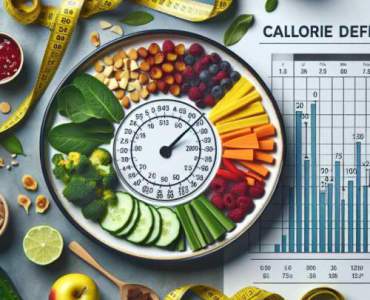
Consider your personal calorie needs and activity level; choose portion sizes that leave you energized rather than overly full. Over time, this consistency helps a heart healthy diet support gradual, steady progress.
Tips for maintaining a heart healthy diet
These practical strategies make it easier to stick with your plan long term. Use the tips for maintaining a heart healthy diet below to remove friction and build momentum.
- Plan once, eat well all week: Map out 3–4 dinners, make a shopping list, and prep a few basics (like cooked grains) to support your heart healthy diet on busy days.
- Stock a smart pantry: Keep legumes, whole grains, canned tomatoes, olive oil, and spices on hand to whip up quick, nourishing meals that fit a heart healthy diet.
- Build balanced plates: Fill half your plate with vegetables, a quarter with lean protein, and a quarter with whole grains—then add healthy fats to round out your heart healthy diet.
- Flavor first: Use citrus, herbs, spices, and vinegars for punchy flavor without excess sodium.
- Make swaps: Choose olive oil over butter; whole grains over refined; water or tea over sugary drinks.
- Mindful eating: Slow down, savor your food, and stop at comfortable fullness.
- Consistency over perfection: One meal won’t make or break progress—aim for steady habits most of the time.
Heart healthy diet and exercise
Nutrition and movement are powerful partners. Pairing a heart healthy diet and exercise can improve fitness, support healthy blood pressure and lipids, and enhance mood and sleep.
Combine aerobic activity (like brisk walking, cycling, or swimming) with strength training 2–3 times weekly. Even short bouts of movement, paired with a heart healthy diet, add up significantly over time.
Think of each week as a cluster of opportunities: 150 minutes of moderate activity, daily walks or stretch breaks, and meals that reflect your heart healthy diet. Consistency drives results.
What is the best heart healthy diet?
The best heart healthy diet is the one you can follow consistently—rich in plants, whole grains, legumes, fish, and healthy fats, with room for the flavors and traditions you love. For some, that looks like a Mediterranean-style pattern; for others, it may lean more plant-forward with occasional fish.
Instead of chasing rigid rules, align your kitchen with the best heart healthy diet principles: plenty of produce, smart proteins, whole grains, and olive oil as the default fat. This flexibility helps a heart healthy diet thrive in real life.
Frequently asked questions
Do I have to give up all red meat?
Not necessarily. If you eat red meat, choose lean cuts, keep portions modest, and enjoy it less frequently while prioritizing fish and legumes.
Can I have snacks and desserts?
Yes. Focus on fruit, nuts, and yogurt for snacks, and enjoy small, satisfying portions of treats like dark chocolate within your overall pattern.
What about salt?
Favor herbs, spices, citrus, and vinegars for flavor, and choose low-sodium products when possible. Taste your food before salting.
Do I need supplements?
Food-first is best for most people. If you’re considering supplements (like omega-3s), consult a healthcare provider—especially if you take medications.
Putting it all together
Start where you are: add an extra serving of vegetables today, swap in whole grains tomorrow, and plan a fish dinner later this week. Over time, these small steps create a heart healthy diet that supports your goals.
To stay consistent, keep meals simple, repeat favorites, and batch-cook basics. With a little planning and a flexible mindset, a heart healthy diet becomes second nature—delicious, practical, and a powerful investment in long-term well-being.