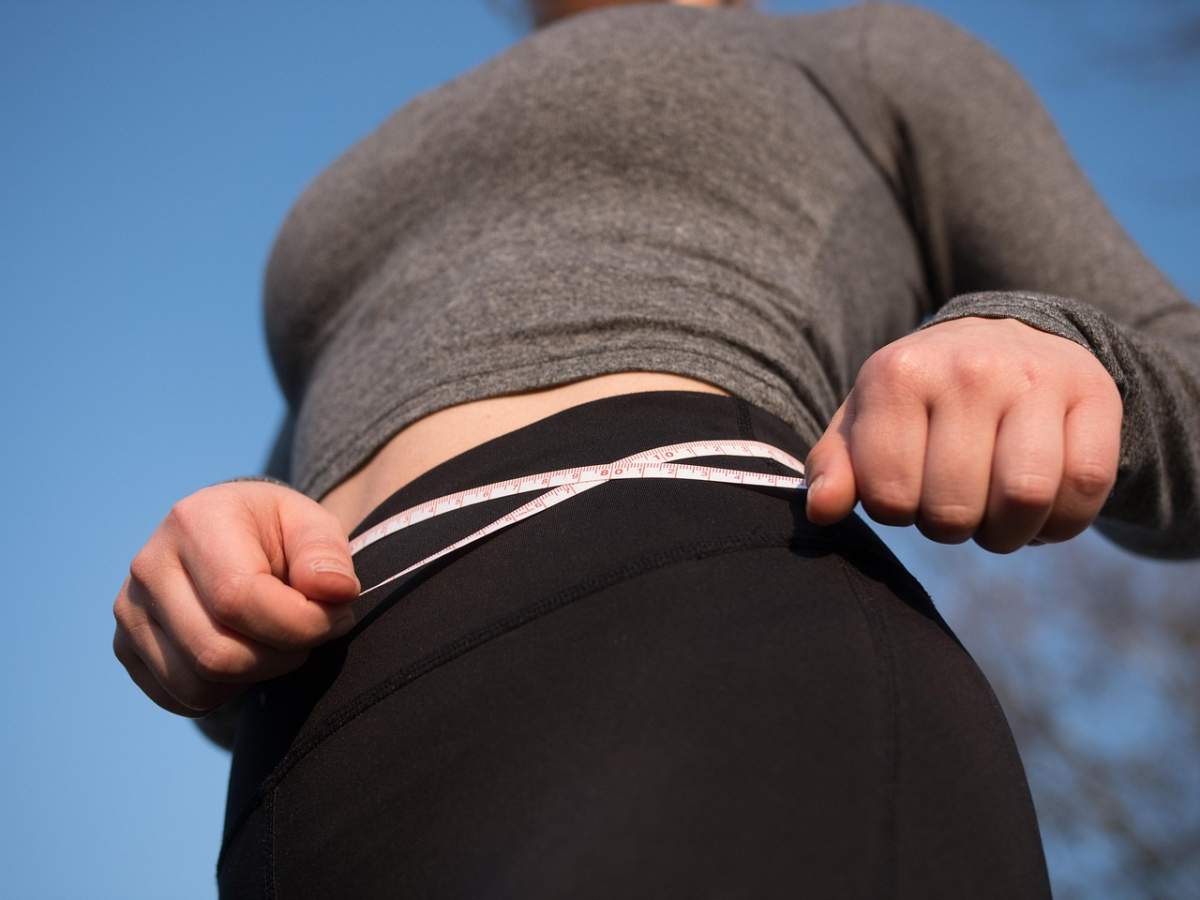
There is a smarter, faster way to change your body than hopping from trend to trend. This comprehensive workout plan for fat loss and muscle gain gives you a clear, step-by-step roadmap that blends resistance training, cardio, nutrition, and recovery into one cohesive system. Whether you want to drop stubborn body fat, tighten your waistline, or build lean, powerful muscle, you will find everything you need here—plus practical templates you can use today.
Unlike quick fixes, this approach focuses on body recomposition—reducing body fat while building or preserving muscle. You will use progressive overload, strategic cardio, smart macros, and consistent recovery to drive sustainable results. Follow this workout plan for fat loss and muscle gain for 12 weeks and you will not only see visible changes but also feel stronger, more energetic, and more confident.
What Makes a Great Workout Plan for Fat Loss and Muscle Gain?
A successful workout plan for fat loss and muscle gain aligns training, nutrition, and lifestyle. It prioritizes muscle recruitment with compound lifts, uses cardio to enhance energy expenditure without compromising recovery, and fuels the body with enough protein to support growth and repair. The result is a leaner, stronger physique driven by fundamentals—not fads.
- Progressive overload: Gradually increase weight, reps, sets, or tempo.
- Compound-first training: Squats, deadlifts, presses, rows to recruit large muscle groups.
- Cardio with intent: A blend of LISS (low-intensity steady state) and HIIT to maximize fat loss while sparing muscle.
- Protein-centered nutrition: 1.6–2.2 g protein per kg of body weight.
- Recovery: High-quality sleep, stress management, and deloads.
These pillars turn any workout plan for fat loss and muscle gain into a sustainable, results-driven routine.
How Body Recomposition Works
Recomposition hinges on two simultaneous processes: creating a modest calorie deficit to lose fat and applying mechanical tension to preserve or build muscle. Your workout plan for fat loss and muscle gain creates the stimulus; nutrition and recovery support the adaptation.
- Mechanical tension: Heavier loads and controlled tempo signal muscles to grow.
- Calorie balance: A slight deficit (about 250–500 kcal) encourages fat loss without sacrificing muscle.
- NEAT: Non-exercise activity (steps, daily movement) can add large energy expenditure.
- Protein and leucine: Frequent high-protein meals stimulate muscle protein synthesis.
Used together, these principles make your workout plan for fat loss and muscle gain both efficient and sustainable.
The 12-Week Workout Plan for Fat Loss and Muscle Gain
This three-phase program balances intensity, volume, and recovery. It is designed for most healthy adults; if you have medical conditions, consult a professional before starting. The schedule assumes four lifting days, two cardio-focused days, and one full rest day. You can shift days to fit your week.
Phase 1 (Weeks 1–4): Foundation and Skill
Goal: Learn movement patterns, build joint resilience, and set a baseline. This phase lays the groundwork for your workout plan for fat loss and muscle gain by prioritizing full-body strength and technique.
- Weekly split: Upper A, Lower A, Full Body, Conditioning, Upper B, Lower B, Rest
- Intensity: RPE 6–7 (leave 2–4 reps in reserve)
- Cardio: 2 sessions (1 LISS 30–40 min, 1 HIIT 10–15 min)
Upper A
- Barbell Bench Press: 3x6–8
- One-Arm Dumbbell Row: 3x8–10/side
- Seated Shoulder Press: 3x8–10
- Lat Pulldown or Pull-Ups: 3x6–8
- Cable Fly or Push-Up: 2x12–15
- Face Pull: 2x12–15
- Farmer Carry: 2x40–60 m
Lower A
- Back Squat or Goblet Squat: 3x6–8
- Romanian Deadlift: 3x8–10
- Walking Lunge: 2x10–12/leg
- Calf Raise: 3x12–15
- Plank: 3x30–45 sec
Full Body
- Trap Bar Deadlift: 3x5
- Incline Dumbbell Press: 3x8–10
- Chest-Supported Row: 3x8–10
- Hip Thrust: 3x8–10
- Hanging Knee Raise: 3x10–12
Upper B
- Overhead Press: 3x6–8
- Chin-Ups or Assisted: 3xAMRAP (leave 2 reps in reserve)
- Dips or Close-Grip Press: 3x8–10
- Single-Arm Cable Row: 3x10–12/side
- Lateral Raise: 2x12–15
- Band Pull-Apart: 2x15
Lower B
- Front Squat or Leg Press: 3x6–8
- Glute Bridge or Hip Thrust: 3x8–10
- Single-Leg RDL: 2x10–12/leg
- Hamstring Curl: 2x10–12
- Side Plank: 2x30 sec/side
Conditioning day pairs well with a brisk LISS session plus a short HIIT finisher. This establishes aerobic capacity without overtaxing recovery—an essential balance in any workout plan for fat loss and muscle gain.
Phase 2 (Weeks 5–8): Volume and Intensity
Goal: Build muscle with higher volume while maintaining strength. Your workout plan for fat loss and muscle gain now adds sets, uses moderate loads, and introduces more metabolic accessories.
- Weekly split: Upper, Lower, Rest, Upper, Lower, Conditioning, Rest
- Intensity: RPE 7–8 (leave 1–3 reps in reserve)
- Cardio: 2 sessions (1 LISS 35–45 min, 1 HIIT 12–18 min)
Upper (Hypertrophy emphasis)
- Bench Press: 4x6–8
- Weighted Pull-Ups or Heavier Lat Pulldown: 4x6–8
- Dumbbell Incline Press: 3x8–10
- Chest-Supported Row: 3x8–10
- Cable Lateral Raise + Face Pull: 3x12–15 superset
- Rope Triceps Pressdown + EZ-Bar Curl: 3x10–12 superset
Lower (Strength + Hypertrophy)
- Back Squat: 4x5–6
- Romanian Deadlift: 3x6–8
- Bulgarian Split Squat: 3x8–10/leg
- Leg Curl: 3x10–12
- Standing Calf Raise: 3x10–12
- Ab Wheel or Cable Crunch: 3x10–12
End at least one upper and one lower session each week with a 6–8 min metcon finisher (e.g., kettlebell swings + push-ups EMOM). These short finishers elevate energy expenditure without derailing the workout plan for fat loss and muscle gain.
Phase 3 (Weeks 9–12): Strength, Density, and Refinement
Goal: Keep fat loss moving, maintain or increase strength, and refine conditioning. In this phase, the workout plan for fat loss and muscle gain leans into density techniques to maximize stimulus in minimal time.
- Weekly split: Upper Heavy, Lower Heavy, Rest, Upper Density, Lower Density, Conditioning, Rest
- Intensity: Heavy days RPE 8–9; Density days RPE 7–8
- Cardio: 2–3 sessions (1 LISS 40–50 min, 1–2 short HIIT)
Upper Heavy
- Bench Press: 5x3–5
- Weighted Pull-Up: 5x3–5
- Overhead Press: 3x5–6
- Barbell Row: 3x5–6
Lower Heavy
- Back Squat or Front Squat: 5x3–5
- Deadlift (conventional or sumo): 3x3–5
- Hip Thrust: 3x6–8
Upper Density
- Incline DB Press + Chest-Supported Row: 4 rounds of 10, 60 sec rest
- Dips + Chin-Ups: 3 rounds of 8–10
- Lateral Raise + Face Pull: 3 rounds of 12–15
Lower Density
- Goblet Squat + RDL: 4 rounds of 10
- Walking Lunge: 3x12/leg
- Ham Curl + Calf Raise: 3x12–15
Use a 7–10 day deload if fatigue accumulates. Strategic fatigue management keeps a workout plan for fat loss and muscle gain effective long term.
Weekly Schedule Template
Here is a template that slots the workout plan for fat loss and muscle gain into a practical week.
- Mon: Upper
- Tue: Lower
- Wed: LISS Cardio + Mobility
- Thu: Upper
- Fri: Lower
- Sat: HIIT + Core + Steps
- Sun: Rest and Recovery
Feel free to swap days to match your calendar; adherence is the biggest success factor in any workout plan for fat loss and muscle gain.
Warm-Up, Mobility, and Setup
A proper warm-up primes your nervous system, elevates core temperature, and reduces injury risk. Never skip it—especially in a workout plan for fat loss and muscle gain where you are training frequently.
- 5 minutes of light cardio (bike, rower, brisk walk)
- Dynamic mobility: hip hinges, leg swings, arm circles, thoracic rotations
- 2–3 ramp-up sets of your first lift, increasing load gradually
Finish sessions with 5–10 minutes of easy cycling or walking and gentle stretches for the worked muscle groups.
Cardio Strategy: HIIT and LISS That Support Muscle
Cardio should complement, not compete with, lifting. In a workout plan for fat loss and muscle gain, cardio accelerates fat loss while lifting protects lean mass.
- LISS: 60–70% max heart rate; 30–50 minutes; low joint stress.
- HIIT: 8–12 rounds of 20–30 sec hard, 70–90 sec easy; total 10–18 minutes.
- Non-impact tools: Bike, rower, incline walk, sled, elliptical to reduce soreness.
Separate HIIT from heavy lower-body days if possible. Track steps—8,000 to 12,000 per day pairs wonderfully with a workout plan for fat loss and muscle gain.
Exercise Selection and Technique
Build each session around the big lifts, then add accessories to target weak links. This structure makes your workout plan for fat loss and muscle gain both time-efficient and stimulating.
- Primary compounds: Squat patterns, hip hinges, horizontal and vertical pushes/pulls.
- Accessories: Unilateral work, hamstring curls, calf raises, rear delts, core.
- Tempo work: 2–3 sec lowering phases to increase time under tension.
- Range of motion: Full, controlled reps promote hypertrophy.
Progressive Overload: The Engine of Change
Without overload, adaptations stall. In a workout plan for fat loss and muscle gain, increase stimulus gradually while guarding recovery.
- Add 2.5–5% load when you hit the top of a rep range with solid form.
- Add a set for a movement you recover well from.
- Slow the eccentric or shorten rest periods on density days.
- Track RPE/RIR to regulate effort across weeks.
Nutrition for Fat Loss and Muscle Gain
Training is the spark; nutrition is the fuel. To power your workout plan for fat loss and muscle gain, aim for a modest calorie deficit while keeping protein high and carbs targeted around training.
- Calories: Maintenance minus 250–500 kcal as a starting point.
- Protein: 1.6–2.2 g/kg body weight daily, split across 3–5 meals.
- Carbs: 2–4 g/kg, more on training days; cluster around pre/post-workout.
- Fats: 0.6–1.0 g/kg for hormones and satiety.
- Fiber: 25–35 g/day from fruits, vegetables, legumes, whole grains.
Sample Day (adjust to your numbers)
- Breakfast: Greek yogurt, berries, oats, almonds
- Lunch: Chicken, quinoa, mixed greens, olive oil
- Snack: Protein shake, banana
- Dinner: Salmon, roasted potatoes, asparagus
- Evening: Cottage cheese with cinnamon
Pre-workout: 30–60 g carbs + 20–40 g protein 60–120 minutes pre-training. Post-workout: 0.3 g protein/kg + 0.5–1.0 g carbs/kg in the first 2 hours. Hydrate with at least 30–40 ml/kg body weight daily—more if you sweat heavily. Smart fueling makes a workout plan for fat loss and muscle gain far more productive.
Recovery: Sleep, Stress, and Deloads
Change happens between sessions. Your workout plan for fat loss and muscle gain demands high-quality recovery to keep progress steady.
- Sleep 7–9 hours; consistent bed and wake times.
- Manage stress with breathwork, walks, sunlight, and boundaries.
- Deload every 4–8 weeks or when performance dips for 2–3 consecutive sessions.
- Active recovery: light cycling, mobility, easy hikes.
Supplements: Useful, Not Magical
Supplements can support a workout plan for fat loss and muscle gain, but the basics come first: calories, macros, sleep, and training consistency. Evidence-based options include:
- Whey or casein protein: Convenient way to hit daily protein targets.
- Creatine monohydrate: 3–5 g daily; supports strength and training volume.
- Caffeine: 2–6 mg/kg pre-workout; enhances performance; monitor tolerance.
- Fish oil (EPA/DHA): For general health; discuss dosing with a professional if using blood thinners.
- Electrolytes: Useful for high-sweat sessions.
- Vitamin D and magnesium: As indicated by blood work or dietary gaps.
Tracking and Adjusting Your Plan
What gets measured improves. A workout plan for fat loss and muscle gain benefits from simple, consistent metrics.
- Body weight: Daily or 3x/week, same time and conditions; use weekly averages.
- Girth measurements: Waist, hips, chest, arms, thighs every 2–4 weeks.
- Progress photos: Front/side/back under consistent lighting every 2–4 weeks.
- Gym log: Weights, reps, RPE; note sleep, stress, soreness.
Adjustment rules of thumb
- If weight stalls for 2–3 weeks and measurements do not change, reduce 100–200 kcal/day or add 1,500–2,500 steps/day.
- If strength drops across multiple lifts and you feel drained, deload or add 100–200 kcal on training days.
- If hunger is unmanageable, shift more carbs around workouts and increase veggies and lean protein.
Common Mistakes to Avoid
- Program hopping: Stick with this workout plan for fat loss and muscle gain for at least 12 weeks.
- Undereating protein: The fastest way to stall muscle retention and hunger management.
- Too much HIIT: More is not better; it can crush recovery and lifts.
- Ignoring sleep: Poor sleep undermines fat loss, muscle-building, and appetite control.
- Maxing out every day: Train hard, not reckless; respect RPE and technique.
Beginner, Intermediate, and Home Variations
Every lifter can benefit from a workout plan for fat loss and muscle gain, but the details should reflect your experience and equipment.
Beginner
- 3 full-body days per week; 2–3 sets per exercise.
- Focus on squat, hinge, push, pull, and carry patterns.
- Keep HIIT minimal; prioritize LISS and steps.
Intermediate
- 4–5 days per week with an upper/lower or full body + upper/lower hybrid split.
- Increase volume for weak muscle groups and track RIR.
Home or Minimal Equipment
- Dumbbells, adjustable bench, resistance bands, and a pull-up bar can build a potent workout plan for fat loss and muscle gain.
- Use unilateral work, tempo, and higher reps to challenge muscles.
- Cardio: brisk walking, jump rope, shadow boxing, or cycling.
Form Cues That Unlock Results
Good reps compounds over weeks into big changes. In any workout plan for fat loss and muscle gain, quality beats quantity.
- Brace before every rep: Exhale, set ribs, lock in core.
- Own positions: Neutral spine, packed shoulders, full-foot pressure.
- Control eccentrics: 2–3 seconds down, no bounce, smooth transitions.
Mindset and Adherence
Consistency turns plans into transformations. Anchor your workout plan for fat loss and muscle gain to routines and environments that support action.
- Schedule training like appointments.
- Lay out gym clothes the night before.
- Batch-cook protein and carbs every 3–4 days.
- Track 3 daily wins to reinforce momentum.
Safety and Personalization
If you are new to lifting, have injuries, or manage a health condition, personalize the workout plan for fat loss and muscle gain with professional guidance. Pain is a red flag; adjust range of motion, substitute exercises, or reduce load as needed.
FAQs
Can I lose fat and build muscle at the same time?
Yes, especially if you are new to training, returning from a break, or optimizing protein and sleep. A structured workout plan for fat loss and muscle gain plus a small calorie deficit makes this achievable for many people.
How long until I see results?
Most notice changes in 3–4 weeks and visible differences by 8–12 weeks. Follow the workout plan for fat loss and muscle gain, hit your protein, and keep steps high.
Should I prioritize cardio or weights?
Weights first. Lifting preserves and builds muscle; cardio supports energy balance. A balanced workout plan for fat loss and muscle gain includes both.
What if my progress stalls?
Audit sleep, steps, protein, and training logs. Adjust calories slightly or add steps, then reassess in 10–14 days. The data-driven nature of this workout plan for fat loss and muscle gain makes troubleshooting straightforward.
Your 5-Step Action Plan
- Choose your split: Use the 12-week phases outlined above.
- Set calories and protein: Small deficit, high protein, carbs around workouts.
- Schedule sessions: Put the workout plan for fat loss and muscle gain on your calendar.
- Track metrics: Body weight averages, measurements, photos, and a training log.
- Review weekly: Make small adjustments based on performance and recovery.
The Bottom Line
A well-structured workout plan for fat loss and muscle gain is not complicated—it is consistent. Lift with intent, fuel with purpose, and recover like it matters. Commit to the 12-week framework, personalize as needed, and let your results speak for themselves. Start today, track relentlessly, and build the lean, strong body you have been working toward.
Now it is your turn: Pick your start date, print the template, and begin the first session. Your workout plan for fat loss and muscle gain starts now.