Effective Approaches to Osteoporosis Treatment: What You Need to Know
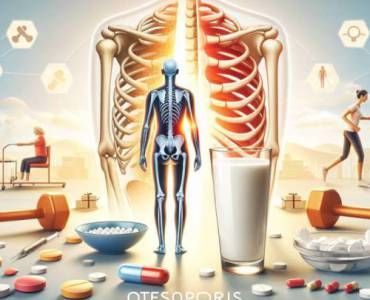
Osteoporosis weakens bones and increases the risk of fractures that can change the course of a person’s life. The good news is that timely, evidence-based osteoporosis treatment can strengthen bones, reduce fracture risk, and help you live fully and safely. In this comprehensive guide, you will find how osteoporosis treatment works, which options exist, how to combine lifestyle and medical care, what to expect from therapy, and how to select the plan that fits your needs and values. While this article provides broad, trusted information, it cannot replace personalized advice from your clinician; always discuss any osteoporosis treatment changes with your healthcare provider.
Osteoporosis 101: Why Early and Ongoing Treatment Matters
Osteoporosis is a condition where bone becomes less dense and more fragile, making fractures more likely from minor falls or even daily activities. Without effective osteoporosis treatment, fractures of the hip, spine, and wrist can lead to pain, loss of mobility, and reduced independence. Early action is essential because the body constantly remodels bone; with the right osteoporosis treatment, you can tilt the balance toward building and maintaining stronger bone. The goals of osteoporosis treatment are to prevent first fractures, avoid repeat fractures, improve bone mineral density (BMD), and support quality of life.
Core Principles of Osteoporosis Treatment
Successful osteoporosis treatment rests on four pillars: accurate risk assessment, targeted therapy, consistent lifestyle strategies, and regular monitoring. Risk assessment considers age, sex, prior fractures, BMD results (T-scores), family history, medications that affect bone, and fall risk. With those data, your clinician can recommend the most effective osteoporosis treatment for your situation. Many people benefit from a combination of medication, nutrition, exercise, and fall prevention. Over time, monitoring confirms whether your osteoporosis treatment is working and when to adjust your plan.
Osteoporosis Treatment Options: Medications and Beyond
There is no single best plan for everyone; the best osteoporosis treatment depends on your fracture risk, other health issues, and personal preferences. Below are the major osteoporosis treatment options available today, from osteoporosis medications to lifestyle measures and supportive care.
Osteoporosis Medications: Anti-resorptives and Anabolics
Osteoporosis medications fall into two broad groups: anti-resorptives that slow bone breakdown, and anabolic agents that stimulate new bone formation. An individualized mix of these approaches is often the most effective osteoporosis treatment.
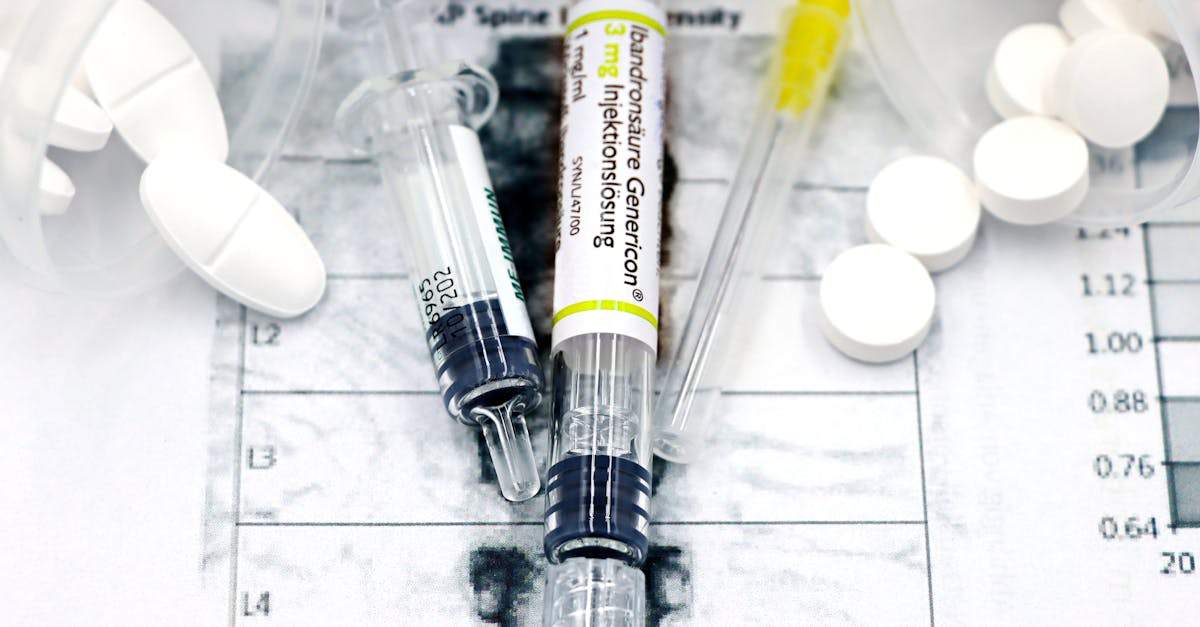
- Bisphosphonates (e.g., alendronate, risedronate, ibandronate, zoledronic acid) are first-line anti-resorptives for many adults. They reduce spine and hip fractures and are central to modern osteoporosis treatment. Common considerations include how they are taken (weekly, monthly, or yearly), kidney function, and adherence with instructions to prevent stomach upset. Rare but serious risks include atypical femoral fractures and osteonecrosis of the jaw, which are minimized with appropriate patient selection and monitoring.
- Denosumab is a twice-yearly injection that prevents bone breakdown by targeting RANKL. It is highly effective in osteoporosis treatment, especially for those who cannot tolerate bisphosphonates. Because stopping denosumab can lead to rapid bone loss, a transition plan to another agent is essential.
- Anabolic agents (teriparatide, abaloparatide, romosozumab) build bone. They are used in high-risk cases, such as people with multiple vertebral fractures or very low T-scores. After an anabolic phase, an anti-resorptive is typically used to maintain gains, creating a sequential osteoporosis treatment strategy.
- Selective Estrogen Receptor Modulators (SERMs) such as raloxifene reduce vertebral fractures and may benefit postmenopausal women with specific risk profiles. They are an option within a tailored osteoporosis treatment plan when other agents are not suitable.
- Hormone therapy (estrogen, sometimes with progesterone) can help bone early after menopause and may be considered for symptom control plus bone benefits in selected patients. Its role in osteoporosis treatment is individualized, balancing potential cardiovascular and breast cancer risks.
- Calcitonin has limited fracture prevention efficacy and is rarely a primary choice in contemporary osteoporosis treatment, though it may provide short-term pain relief in acute vertebral fractures.
Natural Treatments for Osteoporosis: Foundations That Support Every Plan
Medication is powerful, but every effective osteoporosis treatment also rests on daily habits. Thoughtful natural treatments for osteoporosis amplify medication benefits and sometimes lower the need for more intensive therapy. Core elements include nutrition, movement, sleep, and fall prevention.
- Calcium and vitamin D: Adequate calcium intake and sufficient vitamin D status are non-negotiable in any osteoporosis treatment. Food is the preferred source of calcium (dairy, fortified plant milks, leafy greens, tofu set with calcium). Vitamin D usually requires sensible sun exposure and, when needed, supplementation per clinician guidance.
- Protein: Protein supports bone and muscle. Many adults under-consume protein, weakening the effect of osteoporosis treatment. Spread intake across the day and include high-quality sources like fish, eggs, tofu, legumes, and dairy.
- Vitamin K, magnesium, zinc: These micronutrients support bone metabolism. They are best obtained from a varied diet; supplements can be considered if deficiencies are documented as part of comprehensive osteoporosis treatment.
- Smoking cessation and alcohol moderation: Smoking accelerates bone loss, and excessive alcohol increases falls and fractures. Addressing both is a cornerstone of osteoporosis treatment.
- Sleep and stress: Chronic stress and poor sleep harm bone indirectly by impairing hormones and recovery. Restorative sleep routines support any osteoporosis treatment.
Exercises for Osteoporosis: Build Strength, Improve Balance, Prevent Falls
Movement is medicine and a key part of the best osteoporosis treatment. The right plan strengthens bone and the muscles that protect bones during daily activities. Smarter training can reduce falls, which is often the difference between a near-miss and a fracture. Ask a qualified physical therapist for a personalized program, especially if you already have fractures or pain. Below are common components of exercise-based osteoporosis treatment.
- Weight-bearing aerobic activity: Brisk walking, stair climbing, low-impact dancing, and hiking stimulate bone. Start gradually and build to most days of the week as part of your osteoporosis treatment.
- Progressive resistance training: 2 to 3 days per week of strength training for major muscle groups improves BMD and function. Prioritize hips, spine, and legs. Proper form is important in safe osteoporosis treatment.
- Balance and coordination: Tai chi, single-leg stands, and targeted balance drills reduce fall risk. This is essential in a comprehensive osteoporosis treatment plan.
- Posture and spinal alignment: Back-extensor strengthening and posture work can reduce vertebral fracture risk and improve comfort, supporting long-term osteoporosis treatment.
- What to avoid or modify: Repeated deep forward bends, explosive twisting, and high-impact contact sports may be risky with fragile bones. A skilled coach can adapt activities within your osteoporosis treatment.
Osteoporosis Diet: Eating Patterns That Support Bone
A supportive osteoporosis diet complements your medical plan. It emphasizes whole foods, sufficient protein, calcium, vitamin D, and colorful plants rich in antioxidants. Hydration and consistent meal timing stabilize energy and support adherence to osteoporosis treatment.
- Build your plate: Half vegetables and fruit; one quarter lean protein; one quarter whole grains or starchy vegetables; add a calcium-rich option each meal. This pattern anchors osteoporosis treatment in daily life.
- Bone-friendly staples: Plain yogurt, kefir, sardines with bones, collard greens, almonds, sesame seeds, tofu with calcium sulfate, fortified milks, and eggs all fit a practical osteoporosis diet.
- Limit excess sodium, soda, and ultra-processed foods: They displace nutrients and may increase calcium loss, which can undermine osteoporosis treatment.
- Caffeine and alcohol: Moderate intake is generally compatible with osteoporosis treatment, but very high consumption can impair bone health and balance.
Prevention of Osteoporosis: Start Early, Adapt Over Time
The prevention of osteoporosis begins with building peak bone mass in youth and maintaining it across adulthood. However, it is never too late to benefit from targeted osteoporosis treatment. Prevention strategies align closely with treatment: movement, nutrition, and minimizing risk exposures. For postmenopausal women and older men, regular screening and timely osteoporosis treatment can prevent the first fracture and its cascade of consequences.
Choosing the Best Osteoporosis Treatment: Personalization by Risk and Severity
There is no universal formula for the best osteoporosis treatment. Instead, clinicians stratify risk to match intensity. This is the essence of osteoporosis severity treatment: milder cases may succeed with lifestyle and first-line anti-resorptives, while severe cases with prior fractures often need anabolic-first strategies. Tools like FRAX, previous fracture history, and BMD guide the choice of osteoporosis treatment.
Low to Moderate Risk
People with osteopenia or mild osteoporosis and no fractures often start with lifestyle and, if indicated, oral bisphosphonates. This osteoporosis treatment approach focuses on exercise, calcium and vitamin D sufficiency, and fall prevention, with medication support when fracture risk merits it.
High Risk
Individuals with low T-scores, additional risk factors, or a prior vertebral or hip fracture usually need more robust osteoporosis treatment. Options include intravenous bisphosphonates or denosumab alongside an intensive exercise, nutrition, and fall-reduction plan.
Very High Risk or Severe Osteoporosis
For multiple fractures, very low BMD, or failure of prior therapy, anabolic-first osteoporosis treatment (teriparatide, abaloparatide, or romosozumab) followed by an anti-resorptive can offer the strongest gains. This sequential model exemplifies high-intensity osteoporosis severity treatment.
Osteoporosis Treatment Side Effects and Safety Monitoring
Every intervention carries trade-offs. Understanding osteoporosis treatment side effects helps set realistic expectations and keeps you safe. Most side effects are manageable, and the fracture risk reduction from appropriate osteoporosis treatment generally outweighs these risks for people at moderate to high fracture risk.
- Bisphosphonates: Possible stomach upset (oral forms), flu-like symptoms after first IV dose, rare jaw osteonecrosis and atypical femur fractures with long-term use. Monitoring dental health and reviewing therapy duration are routine parts of osteoporosis treatment.
- Denosumab: Skin reactions, low calcium if vitamin D stores are low, and rapid bone loss if stopped abruptly. A transition plan is a built-in element of this osteoporosis treatment.
- Anabolic agents: Injection-site reactions and transient elevations in calcium. Duration is typically limited, followed by an anti-resorptive to consolidate gains within a sequential osteoporosis treatment plan.
- Hormone therapy and SERMs: Risk of blood clots and, with estrogen, potential cardiovascular and breast considerations. These are carefully weighed in personalized osteoporosis treatment.
Across therapies, periodic lab checks, dental reviews (for anti-resorptives), and a DEXA scan every 1 to 2 years help confirm that your osteoporosis treatment is effective and safe.
Living With Osteoporosis: Practical Tips for Daily Confidence
Living with osteoporosis means building habits that protect your bones without giving up the activities that make life meaningful. A confident, proactive approach complements any osteoporosis treatment and reduces fear.
- Home safety: Remove tripping hazards, ensure good lighting, use grab bars in bathrooms, and choose supportive footwear. Fall prevention is a daily extension of osteoporosis treatment.
- Smart movement: Learn safe body mechanics for lifting, bending, and reaching. A therapist can teach spine-sparing techniques that harmonize with your osteoporosis treatment.
- Pain management: Gentle heat, posture work, and guided physical therapy often help. If pain persists, ask whether your osteoporosis treatment plan needs adjustment or additional evaluation.
- Mood and resilience: Anxiety about fractures is common. Mindfulness, social support, and clear action plans help you stick with osteoporosis treatment.
Putting It All Together: A Practical Roadmap
Below is a streamlined way to turn knowledge into action and personalize your osteoporosis treatment while partnering with your care team.
- Clarify your baseline: Gather DEXA results, fracture history, and medications. Ask for a FRAX calculation to frame your need for osteoporosis treatment.
- Align on goals: Prevent first or future fractures, improve BMD, maintain independence. Clear goals guide the best osteoporosis treatment choices.
- Choose your strategy: Combine medication (if indicated) with an exercise plan, an osteoporosis diet, and fall prevention. This integrated osteoporosis treatment approach is more powerful than any single step.
- Plan for monitoring: Schedule lab checks and repeat DEXA. Use adherence reminders and check-ins to keep osteoporosis treatment on track.
- Adjust as needed: If BMD is not improving or side effects arise, modify therapy. Adaptive care is a hallmark of effective osteoporosis treatment.
Frequently Asked Questions
What is the best osteoporosis treatment?
The best osteoporosis treatment is the one that matches your risk, fits your lifestyle, and you can follow consistently. For many, that means a first-line anti-resorptive plus exercise, nutrition, and fall prevention. For very high risk, an anabolic-first sequence may be the most effective osteoporosis treatment.
Do natural treatments for osteoporosis work without medication?
Natural treatments for osteoporosis (exercise, nutrition, vitamin D optimization, quitting smoking) are essential but may not be sufficient for moderate to high fracture risk. In those cases, combining them with osteoporosis medications provides the most protective osteoporosis treatment.
How long will I need osteoporosis treatment?
Duration varies. Some medications are used for a defined course followed by a reassessment or drug holiday; others require ongoing use with monitoring. The length of osteoporosis treatment depends on your response, side effects, and changing risk over time.
What about side effects?
Most people experience few or manageable osteoporosis treatment side effects. Your clinician will help you weigh benefits and risks and monitor your progress, adjusting osteoporosis treatment if problems arise.
Conclusion: Confidence Through Knowledge and Action
Osteoporosis is common and treatable. With a tailored plan that blends osteoporosis medications, targeted exercise, an osteoporosis diet, fall prevention, and consistent monitoring, your osteoporosis treatment can substantially reduce fracture risk and support a full, active life. The right time to act is now. Discuss your goals and options with your healthcare provider and build the osteoporosis treatment plan that fits you best.