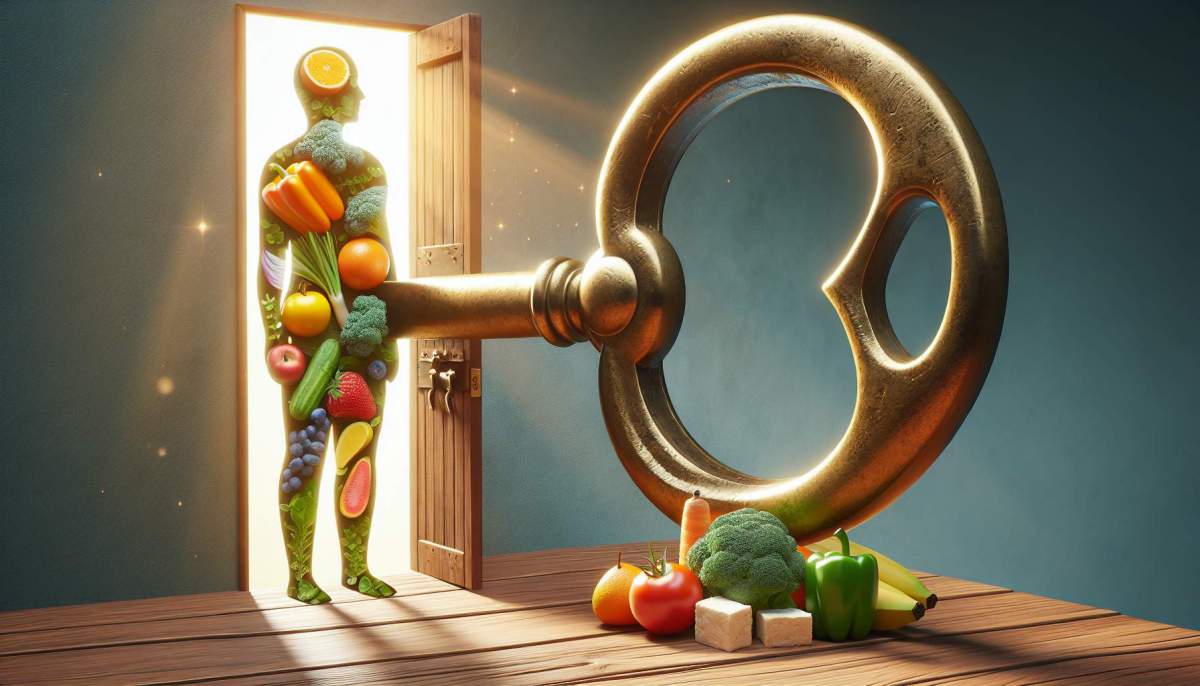
Introduction: Unlocking Weight Loss Through Habit Change
The noom diet is not another list of forbidden foods or a rigid meal plan. It is a structured, psychology-first system for reshaping the way you think about eating, movement, and motivation. By focusing on behavior, the noom diet helps you understand why you make certain food choices and how to swap autopilot decisions for mindful ones that steadily lead to weight loss.
Instead of forcing you to rely on willpower, the program uses coaching, daily lessons, and practical tools to remove friction from healthy choices. That is why people who adopt the noom diet often report feeling more in control, less deprived, and more confident that their new habits will actually last. When habits change, outcomes follow.
What is the noom diet?
At its core, the noom diet is an app-based, behavior change program grounded in cognitive behavioral therapy (CBT), motivational interviewing, and habit science. You log meals, track activity, study short evidence-based lessons, and receive support from a coach and community. Unlike trend-driven plans, the plan emphasizes calorie density, mindful eating, and flexible choice architecture, not strict elimination.
Most importantly, the noom diet classifies foods into green, yellow, and red categories based on calorie density, not morality. Green foods are low in calories and high in nutrients and water; yellow foods are moderate; red foods are energy-dense and easiest to overeat. You are encouraged to build plates that skew green and yellow while still leaving room for your favorite red items in appropriate portions. This creates freedom with guardrails.
How the noom diet works: the psychology behind the plate
The noom diet improves decision quality by targeting the triggers that spark overeating. It builds self-awareness with daily logging and weigh-ins, teaches reframes that reduce all-or-nothing thinking, and uses small experiments to make success feel achievable. Over time, these micro-wins compound into durable, automatic behaviors.
Color-coded foods and calorie density
Calorie density is the anchor of the program. By choosing more foods that contain fewer calories per gram—think berries, leafy greens, beans, yogurt, tofu, whole grains—you can eat satisfying volumes without overshooting your energy needs. The color system makes these choices obvious at a glance, a form of environmental design that nudges success even when your day is busy. The noom diet turns nutrition science into simple, daily action.
Daily calorie budget and smart logging
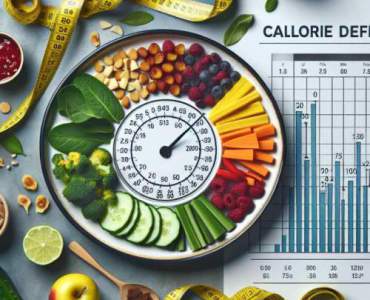
When you start the noom diet, the app estimates a personalized calorie budget based on your stats, goals, and activity. You learn to log meals quickly, barcode-scan packaged foods, and check your color balance for the day. This data gives feedback, not judgment, so you can course-correct with curiosity rather than guilt. Awareness beats willpower when it comes to consistent choices.
Coaching and community reinforcement
Another engine of the noom diet is coaching. A real person nudges you toward realistic goals, helps you troubleshoot plateaus, and keeps you accountable while celebrating wins. Group chats and in-app content layer in social proof—seeing peers practice the same skills makes the habits feel normal and attainable.
How the noom diet changes eating habits step by step
Fat loss is a byproduct of the routines you repeat. The noom diet zooms in on these routines and replaces friction-filled patterns with simpler ones. You learn to pre-plan meals, stock default groceries, and design your environment to make the next healthy action the easiest action.
From dieting to skill building
Traditional plans tell you what to eat; the noom diet teaches you how to think, plan, and act. Skills like urge surfing, plate-building, and strategic snacking reduce decision fatigue and cut the link between stress and overeating. As your skills grow, your reliance on rules shrinks. The noom diet reframes weight loss as a learnable skill set rather than a test of willpower.
Reframing foods, not forbidding them
Instead of demonizing ice cream or fries, the noom diet reframes them as red foods to enjoy mindfully. This removes the rebel effect—when restriction backfires—and makes it easier to fit real life into your plan. You stop starting over every Monday because there is nothing to rebel against.
What a day on the noom diet looks like
Here is a realistic day that follows the principles of the noom diet while leaving space for preferences and culture.
- Breakfast: Greek yogurt parfait with berries, chia seeds, and a handful of high-fiber cereal. Coffee with a splash of milk. This is a green-yellow focused start that aligns with the noom diet by emphasizing volume and protein.
- Snack: An apple and a cheese stick. The protein and fiber combo supports the noom diet goal of steady energy.
- Lunch: Grain bowl with quinoa, roasted vegetables, chickpeas, and a lemon-tahini drizzle. This keeps the plate mostly green and yellow as encouraged by the noom diet.
- Snack: Carrots with hummus or edamame. Easy, portable, and aligned with the noom diet focus on water-rich foods.
- Dinner: Stir-fry with tofu or chicken, a mountain of mixed vegetables, and a side of brown rice. A small glass of wine if desired. The noom diet suggests keeping portions of calorie-dense sauces or alcohol modest.
- Treat: A small scoop of your favorite ice cream, logged as a red food. The noom diet invites enjoyment without guilt, balanced by your overall choices.
Notice the throughline: the noom diet uses volume, fiber, and protein to keep you satisfied so your calorie budget feels generous, not restrictive. Satisfaction is the secret to consistency.
Benefits you can expect from the noom diet
The first benefit is awareness. By shining a light on hidden decisions, the noom diet helps you spot patterns—like late-night snacking or mindless nibbling—that quietly add up. With better awareness, you gain control without needing perfection.
Second, the noom diet is flexible. You can adapt meals to your culture, preferences, allergies, and budget. It plays nicely with Mediterranean-style eating, vegetarian diets, and even selective low-carb approaches, as long as calorie density and logging remain your anchors.
Third, the noom diet builds resilience. Setbacks are treated as data, not failure. This shift reduces shame and strengthens perseverance, two ingredients that make long-term weight loss far more likely. Compassion fuels persistence.
- Sustainable pace: Most people average 0.5–1.0% of body weight lost per week on the noom diet when they engage consistently.
- Better energy and mood: Stabilizing meals reduces energy crashes, while small wins on the noom diet boost motivation.
- Non-scale victories: Looser clothes, improved lab markers, better sleep, and higher confidence often arrive before a big drop on the scale with the noom diet.
Potential drawbacks and who should be cautious
While the noom diet is effective for many, it is not perfect. Food logging can feel tedious at first, especially if you travel frequently or cook elaborate recipes. Some users may find the color labels overly simplistic for nuanced foods like olive oil or nuts—healthful but energy-dense.
People with a history of disordered eating or those under medical nutrition therapy should speak with a healthcare professional before starting the noom diet. Pregnant or breastfeeding individuals, or anyone with complex medical conditions, need personalized guidance beyond any app.
Cost and screen time are other considerations. If budget is tight, you can still apply the ideas of the noom diet—color coding and calorie density—using a paper log or free trackers, plus library books on CBT and habit change.
noom diet vs other popular diets
Compared with strict low-carb or keto approaches, the noom diet is less restrictive and easier to socialize around. Compared with points-based systems, it leans more on psychology lessons and self-discovery. Compared with calorie-only trackers, the program adds guardrails via color density so that food volume and nutrition stay front and center.
If you prefer whole-food patterns like the Mediterranean diet, the noom diet aligns well. You will learn to build plates heavy on vegetables, legumes, whole grains, and lean proteins, with olive oil used intentionally as a red food that packs calories into small volumes.
What the evidence says
Research on digital health and CBT-based weight loss programs shows that frequent self-monitoring, tailored feedback, and goal setting are strongly linked with success. Studies on the noom diet and similar app-guided programs report clinically meaningful weight loss over 6–12 months, with greater adherence leading to better outcomes. While no single plan fits everyone, the behavioral engine behind the noom diet is what drives results.
Practical tips to thrive on the noom diet
- Front-load greens: Start meals with a salad or broth-based soup to align with the noom diet focus on low-calorie density.
- Protein at every meal: Build satiety with Greek yogurt, eggs, tofu, fish, chicken, or legumes to make the noom diet feel easy.
- Pre-commit your plate: Decide your meal before you’re hungry. Planning supports the noom diet by shrinking choice overload.
- Default snacks: Keep fruit, veggies, and portioned nuts visible to reinforce the habits you want on the noom diet.
- Set friction wisely: Put treats out of sight and make prep foods prominent. Environment design strengthens the noom diet approach.
- Review your data: Once a week, look for trends. The noom diet works best when you turn insights into tiny experiments.
- Practice self-compassion: Talk to yourself like a coach, not a critic. Resets keep the noom diet sustainable.
Common mistakes to avoid on the noom diet
- Under-logging: Skipping weekend tracking underestimates intake and blunts the feedback loop on the noom diet.
- Over-focusing on red foods: Fear of red items can lead to rebound eating. The noom diet is about balance, not bans.
- Chasing fast loss: Aggressive deficits backfire. The noom diet favors steady progress you can maintain.
- Ignoring sleep and stress: Poor recovery increases cravings. Pair the noom diet with sleep hygiene and stress tools.
- Going it alone: Lean on coaches and peers. Social support multiplies results on the program.
FAQs about the noom diet
Is the noom diet healthy?
Yes for most adults. Because it emphasizes nutrient-dense foods, education, and moderation, the noom diet supports heart health, steady energy, and realistic weight loss. Those with medical conditions should personalize the approach with their clinician.
How fast will I lose weight?
Expect gradual, sustainable changes. Many users on the noom diet see 1–2 pounds per week once they consistently hit their calorie budget, protein targets, and step goals.
Do I have to give up favorite foods?
No. The noom diet includes treats as red foods so you can enjoy them in planned portions without derailing your progress.
What if I hit a plateau?
Use plateaus as feedback. Review logs for calorie creep, tighten portions of red items, increase steps or resistance training, and ensure sleep is adequate. Small adjustments usually restart progress with the noom diet.
Getting started checklist for the noom diet
- Clarify your why: Write the reasons you want change. Revisit them daily to anchor the noom diet.
- Set a realistic target: Choose a sensible weekly loss range so the plan stays enjoyable.
- Stock your kitchen: Build a green-yellow grocery base to make the noom diet automatic.
- Plan your first week: Pre-log meals and schedule walks so the program fits your calendar.
- Build a support loop: Tell a friend, join a group, and check in with your coach to strengthen your routines.
The bottom line
Fad diets promise speed; the noom diet delivers understanding. By combining calorie-density awareness with behavioral psychology, gentle accountability, and flexible food choices, the plan helps you build habits that outlast motivation dips. If you want weight loss that feels sane and sustainable, the noom diet is a powerful, proven path.