Unlocking the Secrets of the Mediterranean Diet: A Path to Better Health
The world keeps coming back to the mediterranean diet for one simple reason: it works. Rooted in the culinary traditions of countries like Greece, Italy, Spain, and coastal regions of the Middle East and North Africa, the mediterranean diet delivers a rare combination of pleasure, flexibility, and proven health benefits. Rather than a rigid set of rules, it is a way of eating—and living—that prioritizes whole, vibrant foods, mindful meals, and a community-first mindset. In this comprehensive guide, you will learn the science behind the plan, what to eat, how to start, and exactly how to make the approach your own.
What Is the Mediterranean Diet?
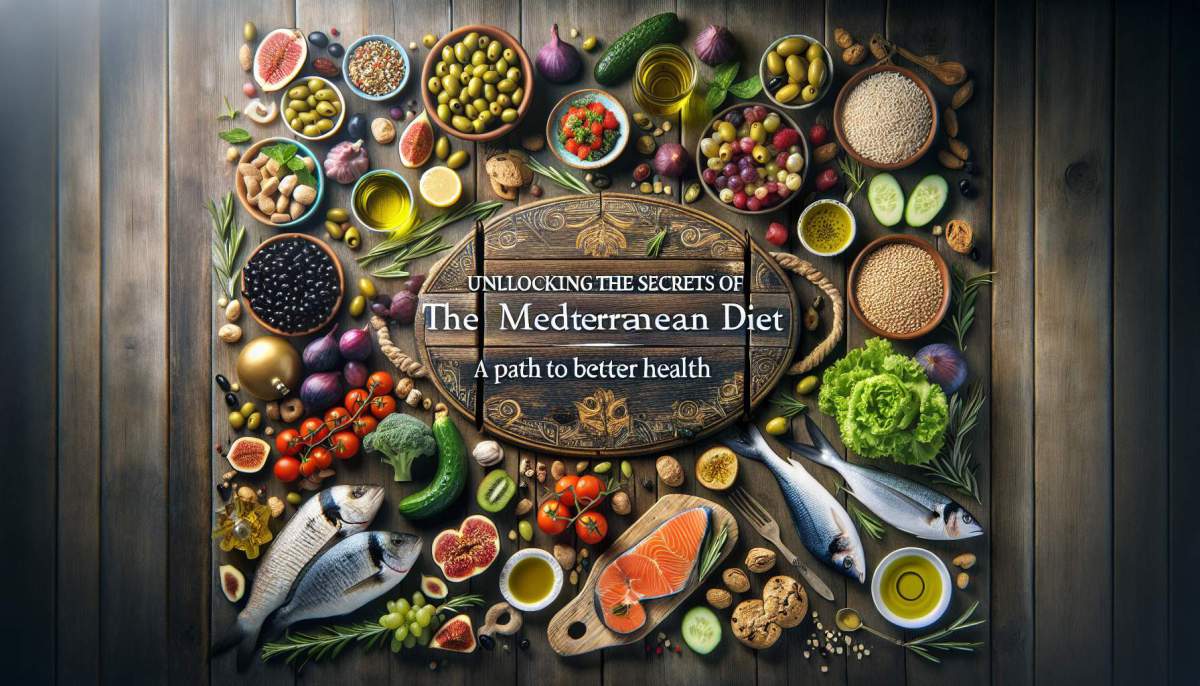
At its core, the mediterranean diet emphasizes plants: vegetables, fruits, legumes, whole grains, nuts, seeds, and generous amounts of extra-virgin olive oil. It includes moderate portions of fish and seafood, some eggs and fermented dairy such as yogurt and cheese, and smaller amounts of poultry. Red meat and sweets are eaten sparingly. Wine appears in moderation with meals for those who already drink, and water, herbal teas, and coffee are common. But more than a shopping list, the mediterranean diet is a cultural pattern that celebrates seasonal produce, leisurely meals, movement, and social connection.
Core Principles You Can Count On
- Plants first: Build each meal around vegetables, legumes, whole grains, and fruit to anchor the mediterranean diet.
- Healthy fats: Favor extra-virgin olive oil, nuts, seeds, and olives for flavor, satiety, and heart-healthy monounsaturated fats.
- Seafood often: Fish and shellfish provide omega-3s that support heart and brain health.
- Less red meat, fewer sweets: Enjoy red meat occasionally, with desserts as a treat rather than a habit.
- Fermented dairy in moderation: Think yogurt, kefir, and aged cheeses for tang, protein, and probiotics.
- Flavor from the garden: Herbs, spices, garlic, citrus, and vinegar drive taste—no heavy sauces needed.
- Lifestyle matters: Move daily, savor meals with others, and embrace a balanced pace—key pillars of the mediterranean diet lifestyle.
The Mediterranean Food Pyramid
Imagine a pyramid stacked with abundance at the base and restraint at the top. Daily staples include vegetables, fruits, legumes, whole grains, nuts, seeds, and olive oil. Fish, poultry, eggs, and fermented dairy appear several times per week. Red meat and sweets sit at the tip, reserved for special occasions. This flexible template helps you tailor the mediterranean diet to your culture, budget, and preferences without feeling restricted.
The Science Behind the Mediterranean Diet
Decades of research point to the mediterranean diet as a gold-standard pattern for cardiometabolic health, longevity, and quality of life. Randomized trials and long-term observational studies link the approach to lower rates of cardiovascular disease, type 2 diabetes, certain cancers, cognitive decline, and overall mortality. Unlike short-term fads, the mediterranean diet fosters durable habits you can maintain for years.
Heart Health
The standout benefit of the mediterranean diet is heart protection. Its healthy fats—especially from extra-virgin olive oil, nuts, and fish—reduce LDL oxidation, improve HDL function, and lower systemic inflammation. High fiber from legumes, whole grains, and vegetables supports healthy cholesterol and blood pressure. The result: better endothelial function, reduced plaque progression, and fewer cardiac events compared to typical Western patterns.
Longevity and Healthy Aging
Populations that naturally follow the mediterranean diet tend to live longer and age with more vitality. Antioxidants, polyphenols, and omega-3 fats mitigate oxidative stress and chronic inflammation, while the diet’s nutrient density supports cellular health. The social fabric—shared meals, daily movement, purpose—adds a lifestyle edge that typical diets overlook.
Brain Health and Mood
Omega-3s from fish, polyphenols from olive oil and colorful plants, and a steady intake of B vitamins and minerals help protect brain structure and function. Emerging evidence suggests the mediterranean diet may support memory, reduce risk of cognitive decline, and improve mood through gut-brain pathways and inflammation control.
Weight Management Without Deprivation
Because the mediterranean diet prioritizes satiating whole foods and quality fats, many people naturally eat fewer ultra-processed calories without counting or cutting out major food groups. The pattern supports stable energy, fewer cravings, and sustainable weight loss when paired with portion awareness and regular activity.
Blood Sugar and Metabolic Health
High-fiber legumes and whole grains, balanced with protein and healthy fats, help smooth post-meal glucose spikes. For many, the mediterranean diet supports improved insulin sensitivity and better long-term glycemic control, making it a practical eating style for metabolic balance.
Gut Health and Inflammation
Fermentable fibers from plants and polyphenols from olive oil and herbs nourish a diverse microbiome, which in turn supports immune resilience and lower systemic inflammation. This is a quiet superpower of the mediterranean diet—the synergy of ingredients working together for whole-body benefits.
What to Eat (and What to Limit)
Think abundance over avoidance. The mediterranean diet doesn’t eliminate entire macronutrient groups; it simply elevates quality and balance.
Pantry Staples for Everyday Cooking
- Extra-virgin olive oil (EVOO): The signature fat of the mediterranean diet—for sautéing, roasting, dressing, and dipping.
- Whole grains: Farro, bulgur, barley, brown rice, whole-wheat pasta, oats.
- Legumes: Chickpeas, lentils, white beans, black beans, split peas.
- Nuts and seeds: Almonds, walnuts, pistachios, sesame, chia, pumpkin seeds.
- Seafood: Salmon, sardines, mackerel, trout, shrimp, mussels.
- Fermented dairy: Plain yogurt, kefir, feta, aged cheeses.
- Produce: Leafy greens, tomatoes, peppers, cucumbers, eggplant, citrus, grapes, berries, pomegranates.
- Flavor builders: Garlic, onions, olives, capers, sun-dried tomatoes, herbs (oregano, thyme, basil, rosemary), spices (cumin, smoked paprika, coriander).
- Vinegars and citrus: Red wine vinegar, sherry vinegar, lemon, and orange.
Foods to Enjoy by Frequency
- Daily: Vegetables, fruits, legumes, whole grains, EVOO, nuts, seeds, herbs, and spices.
- Several times per week: Fish and seafood; eggs; fermented dairy; poultry.
- Occasionally: Red meat, sweets, refined grains, processed meats.
What the Mediterranean Diet Is Not
- Not a high-meat plan: The mediterranean diet is plant-centric, with animal foods as complements.
- Not a calorie-obsessed regimen: Quality and satiety rule. You can manage portions without micromanaging every bite on the mediterranean diet.
- Not one country’s cuisine: It’s a flexible regional pattern spanning many cultures and flavors.
How to Start in 7 Days
Begin where you are. Small, consistent changes make the mediterranean diet stick. Here’s a practical week-one template you can adapt to taste and budget.
Day 1: Build a Foundation
- Breakfast: Greek yogurt with berries, walnuts, and a drizzle of honey.
- Lunch: Chickpea and tomato salad with cucumbers, olives, red onion, and EVOO-lemon dressing.
- Dinner: Grilled salmon over farro with roasted broccoli; mixed greens with olive oil and vinegar.
- Snack: An apple with a small handful of almonds.
Notice how this day showcases the mediterranean diet balance: plants, healthy fats, and seafood, with vibrant flavor from herbs and citrus.
Day 2: Color and Crunch
- Breakfast: Oats cooked with cinnamon, topped with sliced figs and pistachios.
- Lunch: Whole-wheat pita stuffed with hummus, arugula, shredded carrots, and roasted peppers.
- Dinner: Shrimp sautéed with garlic, cherry tomatoes, and spinach over whole-wheat spaghetti.
- Snack: Pear with a square of dark chocolate.
Whole grains, legumes, and seafood lie at the heart of the mediterranean diet, delivering fiber, protein, and antioxidants.
Day 3: Legume Power
- Breakfast: Olive oil-fried egg over sautéed greens and tomatoes.
- Lunch: Lentil soup with carrots, celery, and herbs; side salad with olives.
- Dinner: Chicken thighs roasted with lemon, oregano, and potatoes; cucumber-tomato salad.
- Snack: Yogurt with pomegranate arils.
Simple cooking techniques make the mediterranean diet weeknight-friendly, from sheet-pan roasts to one-pot soups.
Day 4: Focus on Flavor
- Breakfast: Smoothie with kefir, spinach, frozen berries, and flaxseed.
- Lunch: Farro tabbouleh with parsley, mint, tomatoes, cucumbers, lemon, and EVOO.
- Dinner: Baked cod with olives, capers, and herbs; roasted eggplant with tahini drizzle.
- Snack: Fresh orange and a few olives.
Day 5: Plant-Forward Comfort
- Breakfast: Whole-grain toast with smashed avocado, cherry tomatoes, and sesame.
- Lunch: White bean and tuna salad with artichokes, red peppers, and lemon zest.
- Dinner: Pasta e ceci (whole-wheat pasta with chickpeas, tomatoes, and rosemary).
- Snack: Handful of grapes.
Day 6: Weekend Gathering
- Breakfast: Vegetable frittata with onions, zucchini, and peppers.
- Lunch: Mezze platter: hummus, baba ghanoush, olives, feta, cucumbers, tomatoes, and whole-grain flatbread.
- Dinner: Grilled sardines or mackerel with lemon; herbed potato salad; arugula salad.
- Snack: Nuts and dates.
Day 7: Reset and Prep
- Breakfast: Yogurt bowl with pear, cinnamon, and walnuts.
- Lunch: Leftover grain bowl with vegetables, beans, and olive oil vinaigrette.
- Dinner: Roasted chicken with sumac and garlic; bulgur pilaf; garlicky greens.
- Snack: Dark chocolate and strawberries.
By week’s end, you will feel how the mediterranean diet blends satisfaction and ease. Keep repeating and rotating your favorite meals to build momentum.
Practical Tips to Make It Stick
Meal Prep Without the Rut
- Cook once, eat twice: Roast extra vegetables and proteins to repurpose in salads, grain bowls, and wraps.
- Batch basics: Make a pot of lentils or beans and a tray of whole grains on Sunday to anchor quick meals.
- Flavor banks: Keep jars of pesto, olive tapenade, and quick pickled onions to transform leftovers the Mediterranean way.
The mediterranean diet thrives on modular cooking. With core components ready, weeknight dinners become assemble-and-serve events, not projects.
Budget and Shopping Strategies
- Buy seasonal: Fresh produce is cheaper, tastier, and more nutritious in season.
- Lean on legumes: Beans and lentils are cost-effective protein pillars of the mediterranean diet.
- Choose smart seafood: Canned sardines, tuna, and salmon provide omega-3s at a fraction of the price.
- Invest in EVOO: A good extra-virgin olive oil elevates every dish; use it generously and wisely.
Dining Out the Mediterranean Way
- Start with a salad or vegetable-based appetizer.
- Choose grilled or baked fish, chicken, or legumes as the main.
- Swap fries for beans or greens; ask for extra vegetables.
- Request olive oil and lemon for dressing and grilled dishes.
- Share dessert or opt for fruit to keep the mediterranean diet balance.
The Mediterranean Diet for Specific Goals
For Weight Loss
Pair the mediterranean diet with mindful portions and protein at each meal. Fill half your plate with non-starchy vegetables, a quarter with whole grains or legumes, and a quarter with protein, all anchored by olive oil and herbs. This framework supports satiety and steady progress.
For Blood Sugar Balance
Prioritize legumes, intact whole grains, and vegetables; pair carbohydrates with protein and healthy fats to soften glucose spikes. The fiber-rich nature of the mediterranean diet naturally supports metabolic steadiness.
For Athletes and Active Lifestyles
Emphasize carbohydrate timing from whole grains and fruit around training, and include seafood, eggs, or legumes for recovery. The mediterranean diet provides a nutrient-dense platform for performance and repair without ultra-processed supplements.
Recipes and Flavor Playbook
- 10-minute tomato salad: Chopped tomatoes, cucumbers, red onion, olives, feta, oregano, EVOO, and red wine vinegar.
- Spiced lentil stew: Brown lentils simmered with onions, garlic, cumin, coriander, and tomatoes; finish with lemon.
- Lemon-herb fish: White fish baked with garlic, parsley, lemon zest, and capers; drizzle with EVOO.
- Roasted vegetable tray: Eggplant, peppers, onions, and zucchini with oregano and olive oil; great over grains.
- Yogurt tahini sauce: Plain yogurt, tahini, lemon juice, garlic, and salt—dollop on bowls and salads.
Use herbs like basil, mint, dill, and rosemary; spices such as cumin, sumac, and smoked paprika; and finishing touches like lemon zest, toasted nuts, or a swirl of olive oil. These layers define the flavor signature of the mediterranean diet.
Common Myths, Debunked
- Myth: It’s all pasta and bread. Reality: The mediterranean diet is vegetable-forward; grains are usually whole and portion-aware.
- Myth: Wine is mandatory. Reality: Wine is optional. If you don’t drink, you can practice the mediterranean diet fully without alcohol.
- Myth: Too much fat is unhealthy. Reality: Quality matters. EVOO and nuts support heart health when they displace refined carbs and ultra-processed oils.
Mediterranean Lifestyle Beyond the Plate
The mediterranean diet is inseparable from its lifestyle. Move naturally throughout the day—walks, stairs, gardening. Share meals with others whenever possible. Protect sleep and build routines that slow your pace at least once a day. These habits elevate the benefits of your food choices and make the pattern sustainable.
How to Measure Progress
- Energy and mood: Steadier energy and clearer focus often show up within 1–2 weeks.
- Kitchen confidence: Cooking at home more frequently is a sign the mediterranean diet is taking root.
- Biomarkers: Over time, many people see favorable shifts in cholesterol, blood pressure, and fasting glucose.
- Waist and weight: Consistent portion awareness and daily movement support gradual, lasting changes.
Frequently Asked Questions
Do I need to count calories?
No. Focus on food quality and satiety. The mediterranean diet naturally guides you toward satisfying meals that curb overeating. If you have a specific goal, periodic tracking can help, but it’s not required.
Is it vegetarian or vegan?
Not necessarily, though it can be adapted. The mediterranean diet is plant-centric, with optional seafood, dairy, and poultry. Vegetarians and vegans can thrive by emphasizing legumes, whole grains, nuts, seeds, and plant-based omega sources.
Can I eat desserts?
Yes—occasionally. Fruit-forward treats or simple baked goods can fit the mediterranean diet when enjoyed mindfully and not daily.
What if I have a nut allergy?
Lean into seeds (pumpkin, sunflower, sesame, chia) and olive oil for healthy fats. You can practice the mediterranean diet without nuts.
7 Simple Habits to Lock It In
- Put produce first on your plate at lunch and dinner.
- Make EVOO your default fat for cooking and finishing.
- Eat legumes 3–5 times per week.
- Choose fish 2–3 times per week, including oily fish.
- Spice liberally with herbs, citrus, and vinegar to keep meals exciting.
- Move daily—walks, stairs, light strength work, or dancing.
- Share meals when you can; connection is part of the pattern.
A Weeknight Formula You’ll Use Forever
Use this simple template to make the mediterranean diet effortless: Choose one vegetable (roasted or raw), one legume or whole grain, one protein (fish, poultry, eggs, or beans), and finish with olive oil and herbs. Mix and match endlessly: roasted peppers + farro + tuna + basil; arugula + lentils + eggs + lemon; tomatoes + barley + shrimp + dill.
Sustainability and the Bigger Picture
By centering plants and minimizing ultra-processed foods, the mediterranean diet aligns with many environmental goals. Seasonal produce, legumes, and whole grains typically carry a lighter footprint, while olive groves support biodiversity and traditional agricultural practices. Eating this way nourishes your health and the health of the planet.
Final Thoughts
More than a trend, the mediterranean diet is a timeless blueprint for delicious, nourishing living. It celebrates color, variety, and connection—values that translate into better heart health, metabolic resilience, and joy at the table. Start with small shifts: cook in olive oil, add one extra vegetable to dinner, enjoy legumes twice a week, and choose fish more often. Within weeks, you’ll feel the momentum build.
When food is this good and this good for you, consistency becomes natural. That’s the true secret of the mediterranean diet: it’s not just a diet; it’s a way to live well, day after day.