Everything You Need to Know About the Birth Control Patch: Benefits, Risks, and Usage
The birth control patch is a convenient, low-maintenance contraceptive that delivers steady hormones through your skin. If you are exploring reliable pregnancy prevention without taking a daily pill, the patch can be a smart, effective option. This in-depth guide explains how the birth control patch works, its effectiveness, side effects, detailed application and removal instructions, pros and cons compared with the pill, and practical tips grounded in real-life experiences. You will also find a birth control patch update for 2023, plus answers to the most common questions people ask before getting started.
What Is the Birth Control Patch?
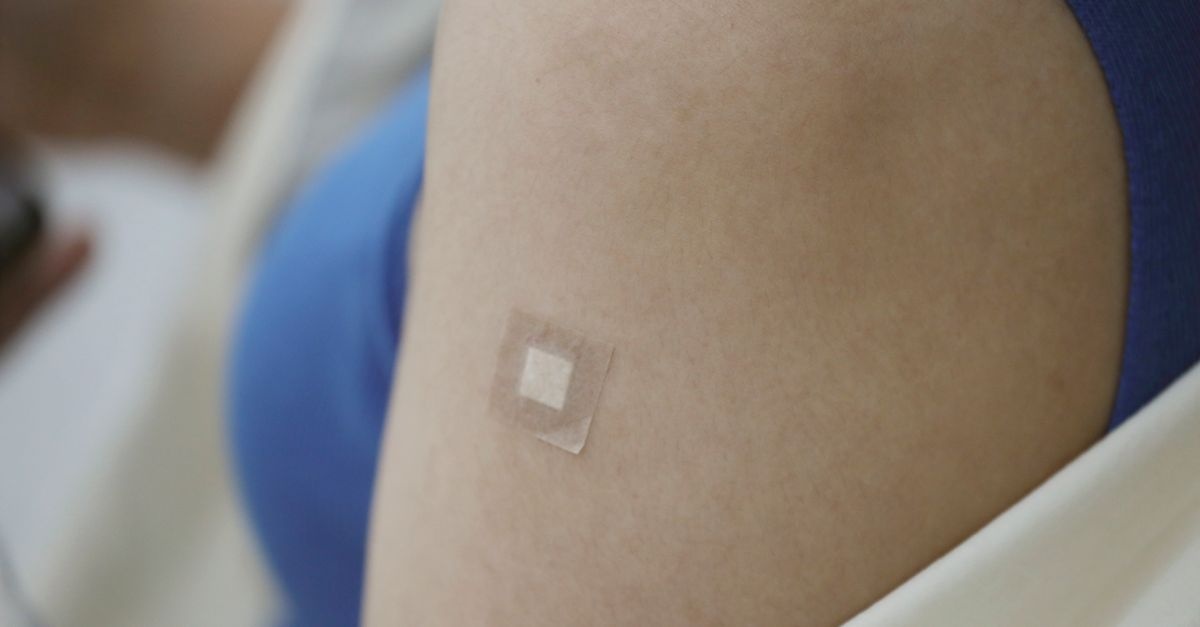
The birth control patch is a thin, beige adhesive patch that sticks to your skin and releases two hormones—an estrogen and a progestin—into your bloodstream. Like combined oral contraceptives, the patch prevents pregnancy primarily by stopping ovulation. Two popular U.S. brands are Xulane (a norelgestromin/ethinyl estradiol patch) and Twirla (levonorgestrel/ethinyl estradiol). While brands differ in exact hormone doses and labeling, the core idea is the same: wear one birth control patch per week for three consecutive weeks, then take a patch-free week.
People choose the birth control patch for its convenience—no daily pill to remember—and for predictable cycles, period pain relief, and potential improvements in acne. Because it is visible on the skin, it can also be a discreet reminder of when it is time for a change.
How the Birth Control Patch Works
The birth control patch uses a steady release of estrogen and progestin to prevent pregnancy. It works in three proven ways:
- Stops ovulation: No egg release means sperm have nothing to fertilize.
- Thickens cervical mucus: Sperm have a harder time swimming to an egg.
- Thins the uterine lining: This reduces the chance of implantation.
This multi-layer protection is why the birth control patch is considered highly effective with consistent and correct use.
Birth Control Patch Effectiveness
When it comes to birth control patch effectiveness, the numbers are strong:
- Perfect use: Over 99% effective. If you always apply the birth control patch on time and follow instructions exactly, fewer than 1 in 100 users will get pregnant in a year.
- Typical use: Around 93% effective. With normal life in the mix—late changes, a patch that falls off, or skipped weeks—about 7 in 100 users may get pregnant in a year.
Factors that can influence birth control patch effectiveness include consistency, certain medications that induce liver enzymes (like some seizure medications, rifampin, or St. John’s wort), and body weight or BMI depending on the brand. For example, some labeling notes reduced effectiveness in people over a certain weight or BMI and an increased risk of blood clots with higher estrogen exposure. Discuss your personal situation with a clinician to select the most appropriate birth control patch brand.
Benefits of the Birth Control Patch
Choosing the birth control patch offers several advantages:
- Weekly routine: Instead of a daily pill, you change the birth control patch once a week for three weeks, followed by a patch-free week.
- Predictable bleeding: Many users experience lighter, more regular periods and less cramping.
- Convenience and discretion: The birth control patch is easy to apply and can be placed on areas typically covered by clothing.
- Non-contraceptive benefits: Like other combined hormonal methods, the patch can reduce menstrual cramps, help with PMS, and sometimes improve acne.
- Rapid return to fertility: Ovulation often returns quickly after stopping the birth control patch.
Risks and Side Effects of the Birth Control Patch
All hormonal methods have potential side effects. Common birth control patch side effects include:
- Skin irritation: Redness or itchiness where the patch sits. Rotating sites helps.
- Nausea or breast tenderness: Often mild and improve after a few cycles.
- Spotting or irregular bleeding: Especially in the first 2–3 months while your body adjusts.
- Headache: Usually mild; let a clinician know if headaches are severe or unusual.
Serious risks are uncommon but important to know. Like the pill, the birth control patch carries a small risk of blood clots, stroke, or heart attack, especially if you smoke and are over 35, have certain clotting disorders, uncontrolled high blood pressure, a history of estrogen-sensitive cancers, or migraine with aura. A clinician can help determine whether the birth control patch is safe for you.
What about birth control patch and weight gain? Research has not shown consistent, clinically significant weight gain from the patch. Some people notice fluid retention or small weight fluctuations, which often settle with time. If weight changes concern you, discuss alternatives while considering the many benefits of the birth control patch.
Who Should and Shouldn’t Use the Patch
The birth control patch is a solid option for many, but not everyone. You should avoid the patch if you have certain medical conditions where estrogen is not recommended. These may include current or past blood clots, certain heart conditions, migraine with aura, severe liver disease, or estrogen-sensitive cancers. Postpartum people may need to delay starting combined hormonal methods, especially if breastfeeding, due to clot risk in early weeks after delivery. Some brands caution against use in people at or above a specific BMI. Because details vary by brand, review your health history with a clinician to confirm whether the birth control patch is appropriate for you.
How to Use the Birth Control Patch
If you are wondering how to use birth control patch properly for best results, the basics are straightforward. You will wear one birth control patch per week for three weeks, replacing it on the same day each week. Then you take a patch-free week and usually get a withdrawal bleed. After seven days off, you start a new cycle with a fresh birth control patch on your regular change day.
Where to place the patch: Choose a clean, dry, intact area of skin on your buttocks, abdomen, upper outer arm, or upper torso (not on breasts). Avoid lotions, oils, or powders that can loosen the birth control patch. Press firmly for 10 seconds to ensure full contact, smoothing the edges.
Step-by-Step Birth Control Patch Instructions
- Pick your start method: Day-1 start (apply the birth control patch on the first day of your period for immediate protection), or quick start (apply today; use backup contraception like condoms for the first 7 days unless you are starting within 5 days of your period). Some prefer a Sunday start; follow your brand’s label and your clinician’s guidance.
- Wash and dry: Clean, dry, oil-free skin helps the birth control patch stick well.
- Open carefully: Do not cut the pouch. Peel the backing to expose the sticky side.
- Apply firmly: Place the birth control patch on the chosen site and press firmly for 10 seconds, smoothing edges.
- Set reminders: Change the birth control patch weekly, on the same day. Many people set phone alerts.
- Rotate sites: To reduce irritation, do not apply the new birth control patch to the exact same spot two weeks in a row.
- Patch-free week: After three weeks, remove the birth control patch and take a one-week break. Start the next patch on time after 7 days, even if you are still bleeding lightly.
Birth Control Patch Removal Process
The birth control patch removal process is simple:
- Peel back slowly: Lift an edge and peel the birth control patch back over itself, not straight up, to minimize skin pulling.
- Clean residue: Any adhesive left behind can be removed with baby oil or an adhesive remover. Wash the area afterward.
- Dispose safely: Fold the birth control patch in half with sticky sides together and place it in a trash bin (do not flush). Hormone residue remains in used patches, so keep them out of reach of children and pets.
- Check skin: If you notice irritation, choose a different site for the next birth control patch.
What If the Patch Falls Off or You Forget?
Life happens. Here is what to do if the birth control patch becomes loose or is not changed on time:
- If it has been off less than 24 hours: Try to reapply the same birth control patch. If it will not stick, put on a new one immediately. Your change day stays the same. You should be protected.
- If it has been off 24 hours or more, or you are 24 or more hours late starting a new patch: Apply a new birth control patch right away and start a new 4-week cycle. Use backup (condoms) for 7 days. Consider emergency contraception if you had sex in the previous 5 days.
- Edges lifting: Press down firmly for 10 seconds. If not fixed, replace the birth control patch. Do not tape it.
Always check your product’s insert because instructions can vary slightly between brands of the birth control patch.
Interactions and Special Situations
- Medications and supplements: Some enzyme-inducing drugs (certain anti-seizure meds, rifampin, and St. John’s wort) can reduce birth control patch protection. Ask your clinician or pharmacist.
- Weight and BMI: Some brands of the birth control patch may be less effective at higher weights or BMI and may list specific cautions.
- Swimming, showers, workouts: The birth control patch is designed to stay on through daily activities. Pat dry after bathing and avoid oils or lotions near the patch.
- Planned surgery or immobilization: You may be advised to stop the birth control patch temporarily due to clot risk; confirm with your surgeon.
Birth Control Patch vs Pill
Deciding between the birth control patch vs pill often comes down to lifestyle and medical considerations:
- Adherence: If daily pills are hard to remember, the weekly birth control patch routine can be easier. If you prefer not to wear something on your skin, the pill may suit you better.
- Hormone exposure: Some data suggest higher overall estrogen exposure with certain patches than with some pills, which may influence clot risk. Discuss options with your clinician to individualize your choice.
- Side effects: Similar between methods, though the birth control patch can cause localized skin irritation.
- Effectiveness: With correct use, both are highly effective; typical use is similar.
- Cycle control and acne: Both can help; individual response varies.
Ultimately, birth control patch vs pill comparisons should be personalized. If you want fewer daily tasks, the birth control patch may have the edge; if you prefer a method that is invisible and has abundant generics, the pill may win.
Birth Control Patch for Acne and Period Control
Combined hormonal contraception can lower androgen activity and stabilize hormones, which may reduce acne for some users. While the birth control patch is not an acne medication, many users report clearer skin after several months. If acne is your main concern, talk to a clinician about whether the birth control patch or another combined method is likely to help, and consider pairing it with skincare, topical retinoids, or other treatments.
Birth Control Patch and Weight Gain
The topic of birth control patch and weight gain comes up frequently. Large studies have not shown consistent, significant weight gain from combined hormonal methods. When people report weight changes with the birth control patch, they often reflect temporary water retention, appetite shifts, or lifestyle changes. If you notice bothersome changes, track your nutrition, activity, sleep, and stress; if the pattern persists beyond 3 cycles, ask a clinician about adjusting your plan while keeping the benefits of the birth control patch in mind.
Birth Control Patch Reviews: What Users Say
Real-world birth control patch reviews tend to highlight:
- Convenience: Many love the weekly schedule and not having to take a daily pill.
- Cycle control: Predictable, lighter periods and reduced cramps are common positives.
- Skin issues: Some report redness or itchiness at the site; rotating placement helps. A minority find sticking is tricky during hot, humid weather or intense workouts.
- Peace of mind: The visible birth control patch can serve as a handy reminder that contraception is in place.
As with any method, experiences vary. Reading birth control patch reviews is useful, but your own body and preferences matter most.
Cost, Access, and Insurance
Depending on your location, insurance, and brand, the birth control patch may be fully covered or have a copay. Generic versions can lower out-of-pocket costs. Telehealth platforms, clinics, and pharmacies increasingly offer the birth control patch with home delivery. If costs are a barrier, check community clinics, public health programs, or nonprofit organizations that can help you access the birth control patch affordably.
Safety Tips and When to Call a Clinician
Know the warning signs that require urgent evaluation when using the birth control patch. Seek care for symptoms suggestive of a clot or stroke, such as chest pain, sudden shortness of breath, severe leg pain or swelling, severe headaches unlike your usual, visual changes, or sudden weakness on one side. Also reach out for severe skin reactions, persistent heavy bleeding, or if you suspect pregnancy. When in doubt, consult a clinician to stay safe while using the birth control patch.
Birth Control Patch Update 2023: What’s New
Here is a concise birth control patch update 2023 to help you stay current:
- More access via telehealth: 2023 saw continued growth in online prescribing and doorstep delivery, making the birth control patch easier to obtain.
- Ongoing safety guidance: Clinicians continue to individualize counseling on weight, BMI, and clot risks so users can match the birth control patch brand and regimen to their health profile.
- Coverage and cost transparency: Many insurers outline preferred products and copays more clearly, helping users budget the birth control patch effectively.
Always review your brand’s most recent label and talk with a clinician for personalized advice, as recommendations for the birth control patch can evolve with new data.
Frequently Asked Questions
How effective is the birth control patch?
Birth control patch effectiveness is over 99% with perfect use and about 93% with typical use. Consistency and correct weekly changes are key.
How to use birth control patch for best results?
Follow the birth control patch instructions closely: apply to clean, dry skin; change weekly on the same day for three weeks; take one patch-free week; and start the next birth control patch on time. Use backup if you are 24 or more hours late or if the patch falls off for 24 or more hours.
Can I swim or shower with the patch?
Yes. The birth control patch is built to stay on through swimming, showers, and exercise. Avoid oils or lotions on or near the patch.
Where should I place it?
Buttocks, abdomen, upper outer arm, or upper torso (not breasts). Rotate placement each week to reduce irritation from the birth control patch.
Does the patch cause acne or help it?
Many find skin improves with the birth control patch thanks to hormone stabilization. Others notice no change. If acne is a priority, discuss combined methods and skincare options.
What about weight changes?
Evidence for significant weight gain is limited. If you have concerns about birth control patch and weight gain, track changes and consult your clinician.
Is the patch as good as the pill?
In the birth control patch vs pill comparison, both are highly effective when used correctly. The patch trades daily dosing for weekly changes and may be more convenient for many.
What if I am on medications?
Some medications and supplements can reduce birth control patch protection. Always tell your clinician and pharmacist everything you take.
How do I remove and dispose of it?
Peel the birth control patch back over itself to remove, clean any residue, fold sticky sides together, and throw in the trash. Do not flush.
Will fertility return after I stop?
Yes. Fertility generally returns quickly after stopping the birth control patch. Some people ovulate within weeks.
Putting It All Together: Is the Birth Control Patch Right for You?
The birth control patch provides strong, convenient protection without daily pills, often with lighter periods and fewer cramps. It is not right for everyone—especially those who should avoid estrogen—but for many, it delivers a reliable balance of simplicity and control. If you like the idea of a weekly routine and want predictable cycles, the birth control patch is worth considering. Review your medical history, medications, and lifestyle with a clinician to choose the best brand and ensure you get the most from your birth control patch.
Disclaimer: This article provides general educational information about the birth control patch and is not a substitute for medical advice. Always consult a licensed clinician for personalized recommendations.