Few eating patterns have captured global attention quite like the mediterranean diet. Rooted in everyday meals from coastal communities and supported by decades of research, it blends vibrant ingredients, social connection, and smart cooking to promote health without rigid rules. In this guide, you will learn exactly how to implement the mediterranean diet at home so you can eat deliciously, improve key health markers, and sustain better habits for the long term.
What Is the Mediterranean Diet?
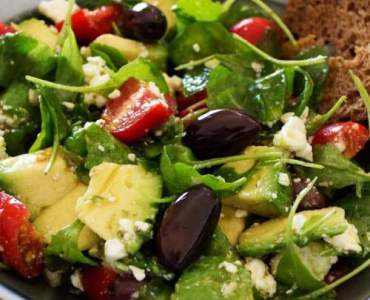
At its core, the mediterranean diet is a flexible, plant-forward way of eating inspired by traditional cuisines of Greece, Italy, Spain, southern France, and other Mediterranean regions. It prioritizes vegetables, fruits, legumes, whole grains, nuts, seeds, fish, and extra-virgin olive oil, while keeping red meat and sugary foods to a minimum. Rather than counting every calorie, the mediterranean diet celebrates fresh, seasonal food and shared meals, emphasizing both nourishment and enjoyment.
Unlike fad regimens that mandate strict macros or entire food eliminations, the mediterranean diet is inclusive and adaptable. You can tailor it to your preferences, budget, and culture, and you can embrace it whether you cook daily or rely on simple supermarket shortcuts. That flexibility explains why clinicians and public-health experts often recommend the mediterranean diet as a realistic path to better health.
- Primary fat: Extra-virgin olive oil is the everyday culinary anchor in the mediterranean diet.
- Foundation foods: Vegetables, fruits, beans, lentils, chickpeas, whole grains, nuts, and seeds form the bulk of daily intake in the mediterranean diet.
- Proteins: Fish and seafood appear at least twice weekly; poultry, eggs, and fermented dairy in moderation within the mediterranean diet.
- Occasional foods: Red meat and sweets are enjoyed sparingly in the mediterranean diet.
- Lifestyle: Social eating, daily movement, and mindful portions are integral to the mediterranean diet.
Why This Way of Eating Works: Science-Backed Benefits
Decades of trials and observational studies point to multiple advantages when people follow the mediterranean diet. These benefits stem from a synergy of healthy fats, fiber, polyphenols, antioxidants, and a minimally processed approach to cooking and eating.
Heart Health and Blood Pressure
Rich in monounsaturated fats from olive oil, omega-3s from fish, and potassium from plants, the mediterranean diet supports healthy cholesterol levels and arterial function. Landmark studies report improved HDL, reduced LDL oxidation, and lower cardiovascular risk when people adopt the mediterranean diet. Alongside sodium-smarter choices and abundant produce, many people experience better blood pressure control, especially when the mediterranean diet replaces highly processed foods and excess saturated fat.
Weight Management Without Deprivation
Because it is satisfying and flavorful, the mediterranean diet often leads to natural portion control and improved satiety. High-fiber vegetables, beans, and whole grains, plus protein from fish and legumes, help tame cravings while maintaining steady energy. Over time, people who embrace the mediterranean diet tend to sustain weight loss more easily than those on restrictive plans, largely because food enjoyment and social eating are preserved.
Brain Health and Longevity
Diets rich in colorful produce and healthy fats are linked to sharper cognition with age. By combining leafy greens, berries, olive oil, nuts, and fish, the mediterranean diet delivers polyphenols and omega-3 fatty acids that support brain structure and function. Populations that regularly follow the mediterranean diet often show lower rates of cognitive decline, aligning with longevity findings in regions sometimes called Blue Zones.
Gut Health and Metabolic Balance
Fiber diversity feeds the gut microbiome, and the mediterranean diet excels here. Beans, lentils, chickpeas, whole grains, nuts, seeds, herbs, and vegetables create a broad spectrum of prebiotic fibers and plant compounds that nourish beneficial bacteria. This microbial balance may help improve insulin sensitivity and post-meal blood sugar response, a key reason the mediterranean diet is recommended for metabolic health.
Anti-Inflammatory, Pro-Recovery Nutrition
From extra-virgin olive oil’s polyphenols to omega-3s in seafood, the mediterranean diet emphasizes anti-inflammatory foods. Over time, a lower inflammatory burden can support joint comfort, exercise recovery, and overall vitality. By minimizing ultra-processed ingredients and emphasizing whole, minimally processed staples, the mediterranean diet creates a nutrient-dense foundation that your body can use to rebuild and thrive.
Core Principles and the Mediterranean Food Pyramid
Think of the mediterranean diet as a pyramid: whole, plant-based foods provide the broad base; fish, fermented dairy, and poultry appear in the middle; sweets and red meat sit at the top as occasional treats. Here is how that translates onto your plate.
- Vegetables and fruits: Aim for color diversity every day in the mediterranean diet. Tomatoes, leafy greens, peppers, cucumbers, onions, zucchini, eggplant, citrus, grapes, figs, and berries provide vitamins, fiber, and antioxidants.
- Beans and legumes: Chickpeas, lentils, cannellini beans, and split peas are budget-friendly protein and fiber all-stars in the mediterranean diet.
- Whole grains: Choose bulgur, farro, barley, oats, whole-wheat pasta, and rustic whole-grain breads for steady energy in the mediterranean diet.
- Healthy fats: Extra-virgin olive oil, olives, nuts (walnuts, almonds, pistachios), and seeds (sesame, flax, chia) are daily staples in the mediterranean diet.
- Fish and seafood: Salmon, sardines, anchovies, mackerel, trout, and shellfish bring omega-3s and minerals to the mediterranean diet.
- Dairy (moderate): Plain yogurt, kefir, and cheeses like feta or parmigiano-reggiano add tang and calcium to the mediterranean diet.
- Poultry and eggs: Enjoyed in moderation as flexible protein options in the mediterranean diet.
- Red meat and sweets: Eaten sparingly and with intention in the mediterranean diet.
- Herbs, spices, and aromatics: Garlic, oregano, basil, dill, rosemary, mint, saffron, cumin, paprika, and citrus zest elevate flavor in the mediterranean diet.
How the Mediterranean Diet Compares to Other Approaches
When people shift from a heavily processed, high-sugar pattern to the mediterranean diet, they usually increase fiber, micronutrients, and healthy fats. Compared to keto or strict low-carb plans, the mediterranean diet allows whole grains and legumes, making it easier to sustain long term. Versus paleo, the mediterranean diet welcomes fermented dairy and whole grains, which many people find satisfying and gut-friendly. Compared to DASH, the mediterranean diet is similarly heart-forward but places more emphasis on olive oil and seafood.
- Western-style diet: Often high in refined carbs, added sugars, and industrial oils; many people feel better swapping to the mediterranean diet.
- Keto: Can promote rapid short-term weight loss, but many prefer the flexibility of the mediterranean diet with its broader food variety.
- Paleo: Helpful for some, yet the mediterranean diet includes time-tested staples like yogurt and whole grains for balance and convenience.
- DASH: Excellent for blood pressure; the mediterranean diet overlaps while focusing more on extra-virgin olive oil and seafood.
Building Your Plate: Practical Guide
To translate principles into everyday meals, think in simple patterns. Start with vegetables, add a source of protein (beans, fish, or eggs), include a whole grain or starchy vegetable, drizzle olive oil, and finish with herbs and citrus. Keep your pantry stocked so the mediterranean diet becomes second nature.
Pantry and Fridge Staples
- Extra-virgin olive oil, olives, capers, and sun-dried tomatoes for the mediterranean diet
- Chickpeas, lentils, white beans, and canned tuna or sardines for the mediterranean diet
- Brown rice, farro, bulgur, barley, oats, and whole-wheat pasta in the mediterranean diet
- Tomato paste, passata, canned tomatoes, and good stock for the mediterranean diet
- Leafy greens, cucumbers, peppers, onions, garlic, and seasonal produce for the mediterranean diet
- Plain yogurt, feta, and kefir (moderate) in the mediterranean diet
- Herbs and spices: oregano, basil, cumin, smoked paprika, cinnamon, and za’atar for the mediterranean diet
Meal-Prep Tips
- Cook a pot of beans and a grain each week; rotate between chickpeas and lentils to simplify the mediterranean diet.
- Roast trays of mixed vegetables and store for quick salads and bowls in the mediterranean diet.
- Pre-mix vinaigrettes with olive oil, lemon, mustard, and garlic to anchor flavor in the mediterranean diet.
- Freeze portions of cooked fish or seafood stews for effortless weeknights on the mediterranean diet.
A 7-Day Mediterranean Meal Plan (Flexible and Family-Friendly)
Use this template as inspiration and swap based on your taste, budget, and season. The goal is to make the mediterranean diet easy, colorful, and satisfying.
Day 1
- Breakfast: Greek yogurt with berries, walnuts, and honey; mint tea will brighten the mediterranean diet morning routine.
- Lunch: Farro salad with cherry tomatoes, cucumbers, olives, feta, and lemon-oregano vinaigrette, a staple in the mediterranean diet.
- Dinner: Grilled salmon with roasted eggplant and tahini, plus a side of garlicky greens—flavors that define the mediterranean diet.
Day 2
- Breakfast: Overnight oats with chia, dates, and pistachios for the mediterranean diet approach to steady energy.
- Lunch: Lentil soup with carrots, celery, and cumin; whole-grain bread shows how cozy the mediterranean diet can be.
- Dinner: Chicken souvlaki with lemon, garlic, and herbs; bulgur tabbouleh keeps the mediterranean diet fiber-forward.
Day 3
- Breakfast: Tomato and spinach omelet with olive oil and a few olives, a savory mediterranean diet start.
- Lunch: Tuna and white bean salad with red onion, parsley, and capers; proof that the mediterranean diet can be fast.
- Dinner: Shrimp and vegetable paella-style brown rice—family-friendly and faithful to the mediterranean diet mindset.
Day 4
- Breakfast: Whole-grain toast with smashed avocado, cherry tomatoes, and sesame—simple mediterranean diet energy.
- Lunch: Roasted vegetable and hummus wrap; herb yogurt dip keeps the mediterranean diet interesting.
- Dinner: Baked cod with olives, tomatoes, and herbs; a green salad showcases the mediterranean diet’s produce focus.
Day 5
- Breakfast: Oatmeal with pear, cinnamon, and almonds works beautifully in the mediterranean diet.
- Lunch: Chickpea, arugula, and roasted pepper salad; whole-wheat pita keeps the mediterranean diet balanced.
- Dinner: Turkey meatballs in tomato sauce with whole-wheat spaghetti and a side of sautéed spinach—comfort food meets the mediterranean diet.
Day 6
- Breakfast: Kefir smoothie with banana, spinach, and flax—gut-friendly fuel for the mediterranean diet.
- Lunch: Quinoa bowl with roasted cauliflower, lemon-tahini dressing, and pistachios, a crunchy nod to the mediterranean diet.
- Dinner: Sardine toasts with tomato, parsley, and capers; a fennel-orange salad celebrates the mediterranean diet’s seasonal flair.
Day 7
- Breakfast: Soft-boiled eggs with olive oil, dukkah, and whole-grain soldiers; this simple plate suits the mediterranean diet.
- Lunch: Minestrone brimming with beans and greens; a drizzle of olive oil captures the mediterranean diet spirit.
- Dinner: Grilled vegetable platter with halloumi and a hearty chickpea salad—crowd-pleasing and true to the mediterranean diet.
Smart Swaps and Cooking Techniques
Flavor-forward cooking is the secret to making healthier choices stick. Replace butter with olive oil, use herbs and acid (lemon, vinegar) instead of excess salt, and roast or grill to coax out sweetness from vegetables. By elevating taste and texture, the mediterranean diet becomes a natural, delicious default.
- Swap refined carbs: Choose whole-grain pasta, brown rice, and sourdough to match the mediterranean diet approach to steady energy.
- Boost umami: Anchovies, olives, aged cheese, and sun-dried tomatoes add depth to the mediterranean diet without heavy sauces.
- Build better salads: Layer leafy greens with beans, grains, nuts, seeds, and a bright vinaigrette to center the mediterranean diet every day.
Mediterranean Lifestyle: Beyond the Plate
Movement, connection, and mindful rest amplify the benefits of the mediterranean diet. Daily walking, light resistance training, and outdoor time support metabolic health, while shared meals and unrushed dining foster satisfaction and portion awareness. Sleep and stress management round out the mediterranean diet lifestyle by balancing hormones that affect hunger and energy.
- Move naturally: Walk after meals, take stairs, garden—small actions reinforce the mediterranean diet foundation.
- Eat socially: Share meals when you can; conversation slows the pace and complements the mediterranean diet’s mindful ethos.
- Rest well: Aim for consistent sleep to support appetite regulation within the mediterranean diet framework.
Tailoring the Mediterranean Diet to Your Goals
Blood Pressure and Cholesterol
Focus on potassium-rich produce, legumes, and fish while limiting salty processed foods; the mediterranean diet makes these choices straightforward. Swap cured meats for grilled seafood and dress salads with olive oil and lemon to enhance flavor and heart benefits inherent to the mediterranean diet.
Blood Sugar and Diabetes
Distribute carbohydrates evenly, lean on legumes, and choose low-glycemic whole grains to keep post-meal glucose steady. Pair carbs with protein and healthy fats, which is effortless under the mediterranean diet. Many find that the mediterranean diet helps them manage meals without feeling deprived.
Vegetarian, Vegan, and Gluten-Free Variations
It is easy to adapt the mediterranean diet to different needs. Vegetarians can rely on beans, lentils, eggs, and dairy; vegans can embrace legumes, tofu, tempeh, and nuts; gluten-free eaters can turn to brown rice, buckwheat, quinoa, and polenta. The core remains: plants in abundance, olive oil, herbs, and seasonal variety within the mediterranean diet.
Frequently Asked Questions
Do I have to drink wine?
Not at all. While some traditional meals include moderate red wine, it is optional. Water, sparkling water with citrus, herbal tea, or coffee fit perfectly within the mediterranean diet.
Is it expensive?
It does not have to be. Beans, lentils, seasonal produce, canned fish, and bulk whole grains are budget-friendly anchors of the mediterranean diet. Save pricier items like salmon and specialty cheeses for occasional meals.
How quickly will I see results?
Some people notice better energy, digestion, and satiety within days of starting the mediterranean diet. Blood lipids, blood pressure, and weight shifts tend to appear over weeks and months when you consistently follow the mediterranean diet.
Common Mistakes and How to Fix Them
- Over-relying on refined carbs: Balance pasta and bread with beans, vegetables, and protein to honor the mediterranean diet.
- Forgetting healthy fats: Add olive oil, nuts, and seeds to boost satisfaction central to the mediterranean diet.
- Skipping seafood: Aim for two seafood meals weekly; canned sardines or tuna make the mediterranean diet convenient.
- Under-seasoning food: Use herbs, spices, garlic, citrus, and vinegars to keep the mediterranean diet exciting.
Quick Start Checklist
- Stock olive oil, beans, whole grains, nuts, and canned fish to jump-start the mediterranean diet.
- Plan two seafood dinners and three legume-based lunches each week to center the mediterranean diet.
- Fill half your plate with vegetables at most meals to lock in the mediterranean diet rhythm.
- Walk daily and eat unrushed meals to embrace the mediterranean diet lifestyle.
Recipes and Flavor Builders
- 5-minute lemon-herb vinaigrette: Whisk olive oil, lemon, Dijon, garlic, oregano, and a pinch of sea salt; this bright sauce upgrades the mediterranean diet.
- Pan-roasted chickpeas: Sizzle in olive oil with paprika and cumin; toss onto salads and bowls to power the mediterranean diet.
- Tomato-anchovy pan sauce: Melt anchovies in olive oil with garlic, add crushed tomatoes and capers, finish with parsley; drizzle over fish or vegetables to celebrate the mediterranean diet.
Bringing It All Together
The most compelling success stories emerge when people simplify, cook a bit more at home, and lean on flavorful staples. By making vegetables the center of your plate, using olive oil generously but mindfully, and sharing meals whenever possible, you will naturally align with the mediterranean diet. The result is sustainable eating that supports heart, brain, gut, and metabolic health—without giving up pleasure or tradition.
Whether you are starting from scratch or upgrading an already decent routine, the mediterranean diet offers a flexible, evidence-based framework you can enjoy for life. Begin with one or two changes this week—maybe a batch of lentil soup or a grilled fish dinner—and let your momentum build. With every colorful, satisfying meal, you will be living proof of the power and simplicity behind the mediterranean diet.