If you’re searching for the best fruit for weight loss, you’re not alone. Fruit is one of the most convenient, nutrient-packed ways to manage appetite, reduce overall calorie intake, and make your diet more satisfying. In this comprehensive guide, we’ll break down the science behind fruits that help with weight loss, highlight the top fruits for losing weight, and show you how to build a smart, enjoyable plan around them. You’ll find practical tips, portion guidance, storage advice, and answers to the most common questions—so you can confidently pick the best fruits to eat for weight loss and see steady progress.
Why Fruit Helps With Weight Loss
Before you decide on the best fruit for weight loss, it helps to know why fruit works so well in a calorie-controlled plan. Fruit has a unique combo that supports steady fat loss:
- Low energy density: Many fruits provide relatively few calories per gram, especially high-water fruits like berries, melons, and citrus. This means bigger, more satisfying portions for fewer calories—ideal when choosing the best fruits to eat for weight loss.
- High fiber: Fiber slows digestion, blunts hunger, and supports blood sugar control. High fiber fruits for weight loss help you feel full on fewer calories, a hallmark of the best fruits for a diet plan.
- Hydration: Water-dense fruits (watermelon, oranges, strawberries) provide volume with minimal calories, ranking them among the low calorie fruits for weight loss.
- Micronutrients and phytochemicals: Vitamins, minerals, and polyphenols support overall health, exercise recovery, and metabolic wellness—an underrated benefit when choosing the best fruit for weight loss.
- Convenience: Fruit is portable and easy to prep, making it easier to stick to your plan. The simpler your routine, the easier it is to keep eating the best fruits to eat for weight loss.
Important note: No fruit literally “melts” fat. When people talk about fruits that burn fat, they usually mean fruits that reduce overall calorie intake via satiety. We’ll keep results realistic and evidence-led while still showing you the top fruits for losing weight.
How to Choose the Best Fruit for Weight Loss
There isn’t a single universally perfect choice; the best fruit for weight loss fits your tastes, budget, and routine. Use these criteria to pick winners:
- Calories per 100 g: Favor low calorie fruits for weight loss (berries, melons, citrus, stone fruits) when you want larger portions.
- Fiber per serving: Prioritize high fiber fruits for weight loss (raspberries, pears, apples, blackberries, guava). Fiber enhances fullness and helps control snacking.
- Water content: Water-rich fruit increases volume without adding many calories—useful when selecting the best fruits for a diet plan.
- Glycemic impact: Whole fruit typically has a moderate glycemic load, especially paired with protein or healthy fats. This makes it easier to maintain energy and stay consistent with the best fruit for weight loss.
- Preparation and portability: If it’s easy to carry, wash, and eat, you’ll actually include it. Practicality matters when committing to the best fruits to eat for weight loss.
The Best Fruits to Eat for Weight Loss: Top Picks
Below are the top fruits for losing weight, chosen for low energy density, fiber, water content, and versatility. Use this list to tailor the best fruit for weight loss to your preferences.
1) Apples
Apples are classic high fiber fruits for weight loss with around 52–60 calories per 100 g and a satisfying crunch. They’re widely available, budget-friendly, and pair well with protein. Studies suggest whole apples increase satiety more than juice or applesauce, making them among the best fruits to eat for weight loss.
- Why it works: Fiber and crunch slow eating and enhance fullness.
- How to use: Pair with Greek yogurt or a small smear of peanut butter.
- Pro tip: Chop into salads to bulk volume without many calories—an effortless way to include the best fruit for weight loss at lunch.
2) Berries (Strawberries, Blueberries, Raspberries, Blackberries)
Berries deliver big flavor for modest calories (typically 32–57 calories per 100 g) with impressive fiber and polyphenols. Raspberries and blackberries, in particular, shine as high fiber fruits for weight loss. Their low energy density places them firmly among the best fruits to eat for weight loss.
- Why they work: High fiber, antioxidants, and water content promote fullness and support metabolic health.
- How to use: Stir into oatmeal, cottage cheese, yogurt, or salads.
- Pro tip: Keep frozen berries on hand for smoothies to maintain consistent access to the best fruit for weight loss year-round.
3) Grapefruit and Citrus
Grapefruit, oranges, and clementines deliver high water content and refreshing acidity for 30–47 calories per 100 g. Some studies link grapefruit to modest weight loss when combined with a calorie deficit, placing it among the best fruits for a diet plan. Note: Grapefruit can interact with certain medications (statins, some blood pressure meds). Consult your provider if unsure.
- Why it works: Juicy segments promote fullness; peel slows consumption.
- How to use: Eat as a snack, add to salads, or pair with protein for breakfast.
- Pro tip: If grapefruit isn’t compatible for you, oranges and mandarins are still low calorie fruits for weight loss.
4) Pears
Pears are fiber standouts, often exceeding 5–6 g per medium fruit, making them superb high fiber fruits for weight loss. With about 57 calories per 100 g, pears are comfortably in the category of best fruits to eat for weight loss.
- Why it works: Thick skin, soluble fiber, and slow eating tempo.
- How to use: Slice over arugula with walnuts and balsamic for a filling lunch that features the best fruit for weight loss in a savory way.
5) Kiwi
Kiwi packs vitamin C, fiber, and a pleasantly tart-sweet profile for roughly 61 calories per 100 g. It’s a compact, nutrient-dense option within the best fruits for a diet plan.
- Why it works: Fiber supports satiety; bright flavor satisfies dessert cravings.
- How to use: Add to yogurt bowls, fruit salsas, or eat sliced with a spoon.
6) Watermelon and Other Melons
Watermelon, cantaloupe, and honeydew are hydrating staples with around 30–36 calories per 100 g. Their bulk and sweetness make them classic low calorie fruits for weight loss and easy choices when picking the best fruit for weight loss.
- Why it works: High water content; large serving volume for minimal calories.
- How to use: Cube and chill for snacks; combine with feta and mint for a savory-sweet salad.
7) Oranges and Mandarins
Peeling slows intake, and the membranes add fiber, contributing to fullness. At roughly 47 calories per 100 g, citrus stands out as one of the best fruits to eat for weight loss when you crave something refreshing.
- Why it works: Built-in portion control and high water content.
- How to use: Pair with a handful of nuts for a balanced snack featuring the best fruit for weight loss.
8) Peaches, Nectarines, and Plums
Stone fruits typically deliver 39–57 calories per 100 g, juicy sweetness, and modest fiber. They’re seasonal stars among the best fruits for a diet plan.
- Why they work: Low to moderate calories, satisfying flavor, easy to portion.
- How to use: Slice over cottage cheese or grill for a dessert swap that leans on the best fruit for weight loss.
9) Pomegranate
Pomegranate arils offer crunch, polyphenols, and fiber at about 83 calories per 100 g. Because they take time to eat, they promote mindful snacking—useful for those seeking fruits that help with weight loss.
- Why it works: Slow consumption, antioxidants, and texture-based satiety.
- How to use: Sprinkle on salads or yogurt; a little goes a long way.
10) Papaya
Mellow, tender, and hydrating, papaya clocks in around 43 calories per 100 g. It’s gentle on digestion and fits neatly among low calorie fruits for weight loss.
- Why it works: High water content and a soft texture that satisfies sweet cravings.
- How to use: Combine with lime and a pinch of chili for a bright snack built from the best fruit for weight loss.
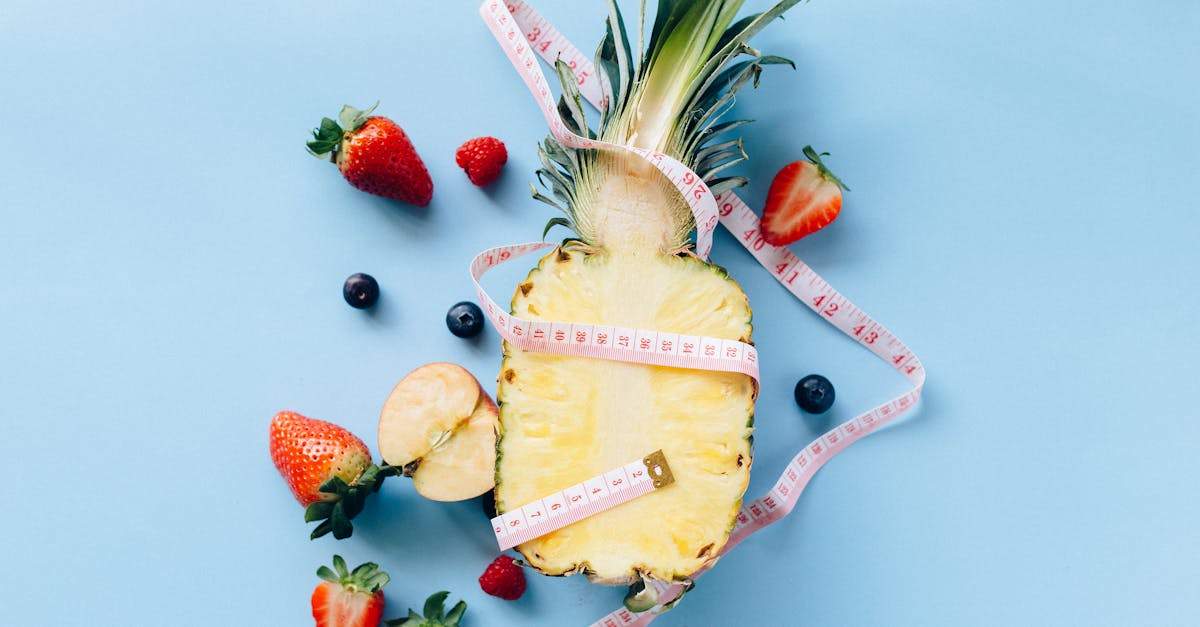
11) Pineapple
Sweet and juicy at ~50 calories per 100 g, pineapple can still work among the best fruits to eat for weight loss with portions in mind. Its tangy sweetness can curb dessert cravings.
- Why it works: Flavor intensity means smaller portions satisfy.
- How to use: Grill rings and serve with cinnamon and Greek yogurt.
12) Guava
Guava is a sleeper pick among high fiber fruits for weight loss, offering up to 5 g of fiber per fruit, plus vitamin C, at moderate calories.
- Why it works: Exceptional fiber density supports fullness.
- How to use: Slice and sprinkle with a little lime and chili.
13) Bananas
Bananas have ~89 calories per 100 g and offer potassium and steady energy. They’re slightly higher in calories than many others, but with portion control they can still be among the best fruits for a diet plan, especially around workouts.
- Why it works: Satiating texture; pairs well with protein for lasting energy.
- How to use: Choose small bananas or half a banana in oats/smoothies to keep this classic in your lineup of the best fruits to eat for weight loss.
14) Cherries
Cherries offer antioxidants, fiber, and satisfaction at ~50 calories per 100 g when fresh. They can be part of the best fruit for weight loss if you measure portions—especially for sweet-tooth moments.
- Why it works: Rich flavor, built-in portioning when you count a serving.
- How to use: Add to yogurt or pair with a small piece of dark chocolate.
15) Avocado (Special Case)
Avocado is energy-dense (~160 calories per 100 g) but very satiating due to fiber and healthy fats. While not a low calorie fruit for weight loss, it can improve meal satisfaction and adherence when used in small amounts within the best fruits for a diet plan.
- Why it works: Enhances satiety, helping you snack less later.
- How to use: 1/4 to 1/3 avocado on whole-grain toast with egg or in salads.
Low Calorie Fruits for Weight Loss
These are excellent when you want higher volume for fewer calories as you evaluate the best fruit for weight loss for your day:
- Strawberries: ~32 kcal/100 g
- Watermelon: ~30 kcal/100 g
- Cantaloupe: ~34 kcal/100 g
- Peaches: ~39 kcal/100 g
- Grapefruit: ~42 kcal/100 g
- Papaya: ~43 kcal/100 g
- Oranges: ~47 kcal/100 g
- Blackberries: ~43 kcal/100 g
Using these low calorie fruits for weight loss lets you eat satisfying portions and still maintain a calorie deficit—one of the smartest ways to put the best fruit for weight loss into action.
High Fiber Fruits for Weight Loss
Fiber fills you up and supports gut health. Consider these high fiber fruits for weight loss on days you’re hungrier:
- Raspberries/Blackberries: ~5–8 g fiber per cup
- Pears: ~5–6 g per medium fruit
- Apples (with skin): ~4–5 g per medium fruit
- Guava: up to ~5 g per fruit
- Passion fruit: ~10 g per cup of pulp
- Avocado: ~10 g per cup (energy-dense; mind portions)
These are excellent building blocks for the best fruits for a diet plan that keeps you satisfied and consistent with the best fruit for weight loss.
Fruits That Help With Weight Loss vs. Fruits That “Burn Fat”
Let’s be clear: Fruits that burn fat is a catchy phrase, but fat loss depends on a calorie deficit. What fruit can do is support that deficit by promoting fullness, reducing cravings, and improving dietary quality. If you want quick weight loss fruits, think water-rich, low-calorie options (berries, melons, citrus). They don’t burn fat directly, but they make sustaining a deficit easier—arguably the real “magic” of the best fruit for weight loss.
Fruits to Avoid for Weight Loss? A Nuanced Take
No whole fruit must be “avoided.” However, some forms are easier to overconsume. When people ask about fruits to avoid for weight loss, they usually mean formats that pack many calories quickly:
- Dried fruit: Nutrient-dense but calorie-dense; watch portions (e.g., 2 tablespoons raisins).
- Fruit juice: Low fiber and easy to drink large amounts; prefer whole fruit.
- Smoothies with added sugar: Great if balanced with protein/fiber, but avoid large, sugar-heavy blends.
- Large portions of high-calorie fruit: Bananas, grapes, or mangoes are fine—just measure servings if your goal is the best fruit for weight loss outcomes.
Instead of rigid rules, prioritize whole, water-rich, and fiber-rich options—the hallmark of the best fruits to eat for weight loss.
Best Fruits for a Diet Plan: Smart Pairings and Timing
You’ll get better results by pairing fruit with protein and/or healthy fats to stabilize energy and hunger. Here’s how to integrate the best fruit for weight loss across your day:
- Breakfast: Greek yogurt with berries; oatmeal with apple slices and cinnamon.
- Mid-morning snack: Orange with a handful of almonds.
- Lunch: Big salad with grilled chicken, pear slices, and walnuts.
- Afternoon snack: Cottage cheese with pineapple or peaches.
- Dinner: Grilled salmon with mango salsa (measured portions).
- Evening treat: Baked apple with cinnamon and a dollop of yogurt.
These combinations keep you full and satisfied, which is exactly what you want from the best fruits for a diet plan.
Sample Day Using the Best Fruits to Eat for Weight Loss
Keep things simple and repeatable. Here’s a balanced day that leans on the best fruit for weight loss without overcomplicating prep:
- Breakfast: Oatmeal cooked in milk; top with 1/2 cup blueberries and 1 tbsp chia seeds.
- Snack: 1 medium apple with 1 tbsp peanut butter.
- Lunch: Quinoa-chicken bowl with mixed greens, cucumber, cherry tomatoes, and orange segments; light vinaigrette.
- Snack: Cottage cheese with sliced peaches.
- Dinner: Stir-fry veggies with tofu and a measured side of brown rice; finish with a small bowl of watermelon.
This framework prioritizes low calorie fruits for weight loss during snacks and dessert, creating volume and satisfaction—core features of the best fruits to eat for weight loss.
Quick Weight Loss Fruits: What Actually Helps Quickly?
Seeking quick weight loss fruits usually means wanting immediate appetite control and fewer calories. Try:
- Watermelon: High volume, very low calories.
- Strawberries: Sweet, low energy density.
- Grapefruit/Oranges: Hydrating and peel-to-eat pace slows intake.
- Pears/Raspberries: High fiber for lasting fullness.
These are reliable when you want the best fruit for weight loss that curbs hunger fast without driving up calories.
Portions, Frequency, and Flexibility
For most adults, 2–4 servings of whole fruit per day fits well into a weight-loss plan. One serving is typically 1 medium fruit, 1 cup of cut fruit, or 1/2 cup of berries more concentrated in fiber. Adjust based on your calorie needs, activity, and appetite. Remember: the best fruit for weight loss is the one you’ll eat consistently and happily.
Buying, Storing, and Prepping Tips
Practical steps help you rely on the best fruits to eat for weight loss consistently:
- Buy in stages: Mix ripe and unripe fruit so you always have a ready supply.
- Frozen is fantastic: Nutrient-rich, budget-friendly, and great for smoothies or yogurt bowls.
- Pre-portion smartly: Wash, slice, and store fruit at eye level to nudge better choices.
- Canned with care: Choose fruit canned in water or 100% juice; drain before serving.
- Travel-friendly picks: Apples, mandarins, bananas, and grapes (measured) help you keep the best fruit for weight loss close at hand.
Special Considerations and Safety
- Diabetes and blood sugar: Whole fruit in measured portions can fit. Pair with protein/fat and monitor responses.
- Low FODMAP/IBS: Tolerance varies; kiwi, oranges, and small portions of berries may be more comfortable than apples or pears for some.
- Medications: Grapefruit can interact with certain prescriptions. When in doubt, ask your healthcare provider.
- Food safety: Wash fruit thoroughly; refrigerate cut fruit promptly.
Personalization matters. The best fruit for weight loss is the one that works with your body, tastes, and routine.
Frequently Asked Questions
Is banana good for weight loss?
Yes, with portions in mind. Bananas are satiating and great pre-/post-workout. Opt for smaller bananas or half a banana in meals to keep them among the best fruits to eat for weight loss.
What’s the best time to eat fruit for weight loss?
Any time you’re hungry. Many prefer fruit at snacks or as dessert to curb cravings. The best fruit for weight loss is most effective when it replaces higher-calorie choices.
How many fruits per day should I eat to lose weight?
Generally 2–4 servings of whole fruit fits a calorie deficit for many people. Adjust to appetite and activity level. Whole, fiber-rich options are the best fruits for a diet plan.
Does fruit sugar stall fat loss?
Whole fruit sugar comes packaged with fiber and water, which slows absorption and supports fullness. Within your calorie targets, whole fruit strongly supports the best fruit for weight loss strategy.
Are smoothies okay?
Yes, if balanced. Use 1 cup fruit, add protein (Greek yogurt or protein powder), a veggie (spinach), and healthy fat (flax/chia). Avoid large, sugar-heavy blends to keep smoothies aligned with the best fruits to eat for weight loss.
Putting It All Together
The best fruit for weight loss isn’t a single miracle pick. It’s the fruit you enjoy that’s low in calories, high in fiber and water, and easy to eat regularly. Berries, apples, pears, citrus, melons, kiwis, and stone fruits are standout choices. Combine them with lean proteins, whole grains, and healthy fats for a satisfying eating pattern you can sustain.
When you build meals around low calorie fruits for weight loss and high fiber fruits for weight loss, you naturally reduce calories without feeling deprived. That’s the real secret behind fruits that help with weight loss and the most practical definition of the best fruits for a diet plan.
Simple Action Steps
- Pick two go-to snacks this week using the best fruit for weight loss (e.g., apple + peanut butter; yogurt + berries).
- Stock 1–2 frozen fruits for convenience.
- Schedule a weekly prep session to wash, cut, and portion fruit.
- Swap one dessert per day for a fruit-forward option.
- Track how full you feel and adjust portions based on hunger cues.
With a little planning and the right picks, choosing the best fruit for weight loss becomes simple, enjoyable, and sustainable—unlocking nature’s true slimming secrets without the gimmicks.