Inflammation is your body’s way of healing, but when it smolders for too long, it can start to chip away at your well-being. The quickest, most sustainable way to support your body’s natural balance is through what you put on your plate—specifically, by choosing anti inflammatory foods that are rich in fiber, healthy fats, antioxidants, and phytonutrients. This guide walks you through the science, the shopping list, and the everyday recipes that make anti-inflammatory eating both practical and delicious. Along the way, you’ll find simple strategies to weave anti inflammatory foods into every meal, so you feel more energized, more resilient, and more at ease.
Why Inflammation Matters—and How Anti-Inflammatory Eating Helps
Short-term inflammation repairs tissue and fights infection; long-term inflammation, by contrast, can contribute to fatigue, brain fog, joint discomfort, and metabolic challenges. A pattern of eating centered on anti inflammatory foods supports a healthier inflammatory response by stabilizing blood sugar, nurturing a diverse gut microbiome, and supplying the bioactive compounds your cells use to protect themselves. While no single food is a cure-all, the cumulative effect of consistently choosing anti inflammatory foods can be profound. Think colorful plants, omega-3-rich seafood, extra-virgin olive oil, nuts, seeds, legumes, and whole grains; together, these foods deliver fiber, polyphenols, and healthy fats that help calm the body’s internal “noise.”
The Core Principles of an Anti-Inflammatory Plate
Building a plate around anti inflammatory foods is more about ratios than rules. Aim for variety and balance that you can maintain for the long run.
- Color and variety: Different pigments in plants deliver unique phytonutrients. The more color you eat, the broader your anti-inflammatory toolkit becomes. Make sure your day includes several servings of anti inflammatory foods in the form of leafy greens, berries, orange vegetables, and crucifers.
- Fiber first: Fiber feeds beneficial gut bacteria that produce short-chain fatty acids, compounds that help regulate inflammation. Beans, lentils, whole grains, nuts, seeds, fruits, and vegetables are especially powerful anti inflammatory foods because they pack diverse fibers.
- Healthy fats: Emphasize omega‑3s and monounsaturated fats from salmon, sardines, mackerel, walnuts, chia, flax, and extra-virgin olive oil. These anti inflammatory foods help keep cellular membranes flexible and responsive.
- Steady blood sugar: Choose whole, minimally processed carbs, pair them with protein and fat, and keep portions aligned with your activity. A calmer blood sugar curve supports a calmer inflammatory response—another win for anti inflammatory foods.
- Gentle cooking: Slow, moist, or low-heat methods preserve nutrients and minimize compounds that can aggravate inflammation. Steaming, sautéing in olive oil, poaching, and baking keep anti inflammatory foods at their best.
The Best Anti-Inflammatory Foods to Add to Your Cart
Here’s a practical, evidence-informed tour of the most effective anti inflammatory foods. Use these lists to plan your weekly shop and build meals you’ll crave.
Berries and Low-Sugar Fruits
Berries concentrate polyphenols and vitamin C in a naturally low-sugar package, making them ideal anti inflammatory foods. Blueberries, strawberries, raspberries, and blackberries support antioxidant capacity and pair well with yogurt or oats. Citrus, cherries, kiwifruit, and apples round out the roster of anti inflammatory foods you can enjoy daily.
- Best picks: Blueberries, strawberries, raspberries, blackberries, cherries, oranges, grapefruit, kiwi, apples
- How to use: Swirl into overnight oats, blend into smoothies, or toss into salads with greens and nuts for a colorful bowl of anti inflammatory foods.
Leafy Greens and Cruciferous Vegetables
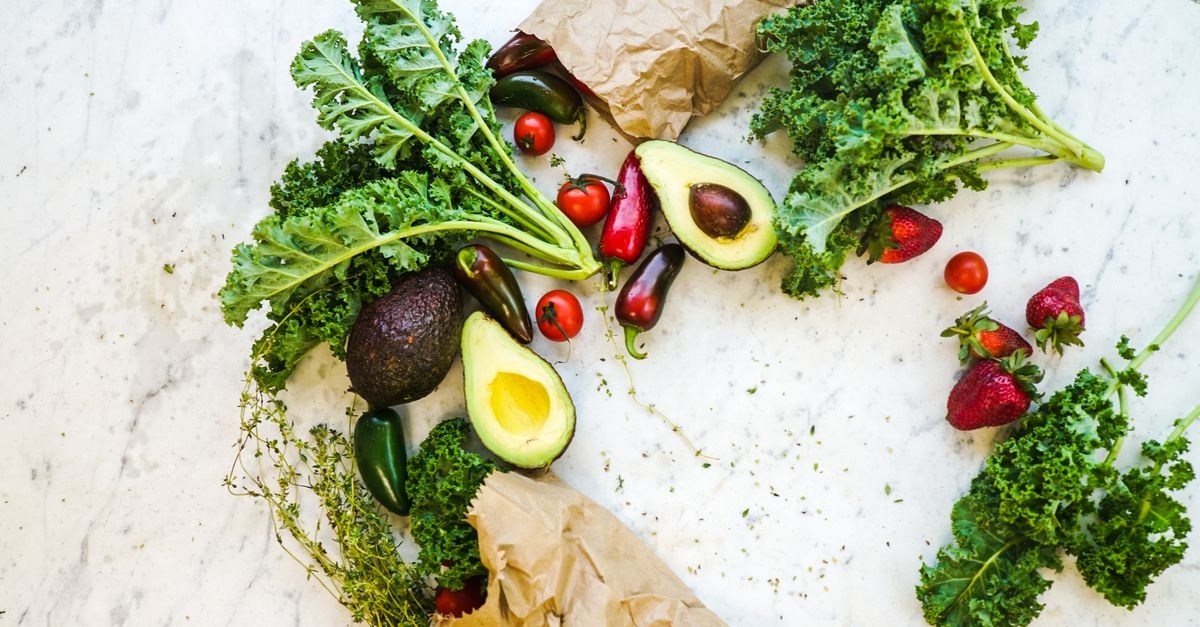
Spinach, kale, arugula, Swiss chard, and collards provide folate, magnesium, and unique phytonutrients that make them standout anti inflammatory foods. Crucifers like broccoli, Brussels sprouts, cauliflower, and cabbage bring sulforaphane precursors—compounds linked to cellular defense—cementing their place among anti inflammatory foods.
- Best picks: Kale, spinach, arugula, chard, collards, broccoli, cauliflower, Brussels sprouts, cabbage
- How to use: Add a handful of greens to soups, blend into pesto, or roast crucifers with olive oil for an easy side of anti inflammatory foods.
Alliums: Garlic, Onions, Leeks
Alliums contain sulfur compounds and prebiotic fibers that foster a robust gut ecosystem, which is central to the power of anti inflammatory foods. Garlic, onions, leeks, shallots, and scallions add flavor and functional benefits, making them daily staples among anti inflammatory foods.
- Best picks: Garlic, red onions, leeks, shallots, scallions
- How to use: Start meals with sautéed alliums in olive oil to create a flavorful base for other anti inflammatory foods.
Colorful Vegetables Beyond Greens
Tomatoes, bell peppers, carrots, beets, and winter squash deliver carotenoids, betalains, and lycopene—diverse antioxidants that make these anti inflammatory foods a visual and nutritional win. Aim for a spectrum across the week, and you’ll layer benefits alongside other anti inflammatory foods.
- Best picks: Tomatoes, peppers, carrots, beets, sweet potatoes, squash
- How to use: Roast on a sheet pan, fold into grain bowls, or blend into soups for color-dense anti inflammatory foods.
Whole Grains
Quinoa, brown rice, oats, barley, farro, and buckwheat deliver fiber, minerals, and steady energy. As anti inflammatory foods, whole grains work by feeding gut bacteria, supporting satiety, and smoothing post-meal blood sugar. Choose minimally processed options to keep your mix of anti inflammatory foods truly whole-food.
- Best picks: Oats, barley, quinoa, farro, brown rice, buckwheat
- How to use: Batch-cook grains to anchor bowls layered with vegetables and other anti inflammatory foods.
Legumes: Beans, Lentils, and Peas
Beans and lentils are affordable, versatile, and protein-rich anti inflammatory foods. Their fiber helps cultivate beneficial microbes, while their minerals and plant compounds support metabolic balance—exactly what you want from anti inflammatory foods.
- Best picks: Chickpeas, black beans, navy beans, lentils, split peas, edamame
- How to use: Blend into dips, simmer into stews, or crisp in the oven for crunchy toppings made from anti inflammatory foods.
Nuts and Seeds
Almonds, walnuts, pistachios, pumpkin seeds, chia, flax, and hemp seeds offer healthy fats, minerals, and fibers that make them essential anti inflammatory foods. Walnuts, chia, and flax stand out for alpha-linolenic acid (ALA), a plant omega‑3 that complements seafood-based anti inflammatory foods.
- Best picks: Walnuts, almonds, pistachios, pumpkin seeds, chia, flax, hemp
- How to use: Sprinkle seeds over yogurt, blend into smoothies, or make trail mixes anchored by anti inflammatory foods.
Healthy Oils and Fats
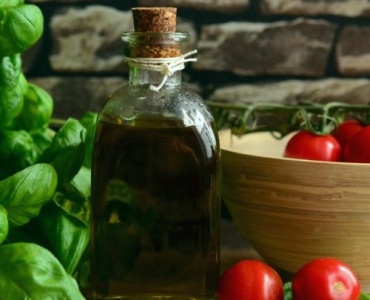
Extra-virgin olive oil is a cornerstone of anti inflammatory foods, delivering polyphenols like oleocanthal along with heart-friendly monounsaturated fat. Avocado oil and small amounts of sesame oil can complement your toolkit of anti inflammatory foods.
- Best picks: Extra-virgin olive oil, avocado oil, small amounts of sesame oil
- How to use: Drizzle EVOO on salads and vegetables, marinade fish, or finish soups to boost the impact of anti inflammatory foods.
Fatty Fish and Seafood
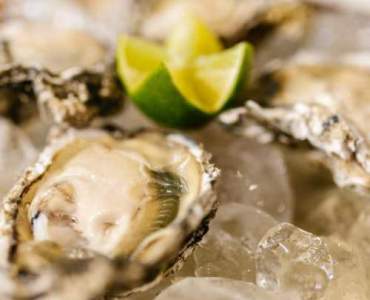
Salmon, sardines, mackerel, anchovies, trout, and herring deliver EPA and DHA, omega‑3s strongly associated with a balanced inflammatory response. As premium anti inflammatory foods, these fish work synergistically with plant foods. Aim for two to three servings per week to elevate your rotation of anti inflammatory foods.
- Best picks: Wild salmon, sardines, mackerel, trout, anchovies, herring
- How to use: Bake salmon with lemon and herbs, fold sardines into salads, or make a trout grain bowl topped with other anti inflammatory foods.
Fermented Foods
Yogurt, kefir, kimchi, sauerkraut, miso, and tempeh contribute live cultures and postbiotics that can support gut harmony. Because microbiome diversity influences inflammation, fermented foods slot naturally among anti inflammatory foods that support both digestion and overall vitality. Pair them with plants to amplify your mix of anti inflammatory foods.
- Best picks: Plain yogurt, kefir, sauerkraut, kimchi, miso, tempeh
- How to use: Stir miso into soups off the heat, add kimchi to grain bowls, or serve kefir with berries for a layered bowl of anti inflammatory foods.
Herbs and Spices
Turmeric, ginger, cinnamon, rosemary, oregano, and thyme pack concentrated bioactives that elevate your meals from good to great anti inflammatory foods. Turmeric with a pinch of black pepper boosts curcumin’s absorption, making your spice cabinet one of the easiest ways to intensify anti inflammatory foods.
- Best picks: Turmeric, ginger, cinnamon, rosemary, oregano, thyme, garlic powder
- How to use: Simmer turmeric and ginger into lentil soups, shake cinnamon over oats, and finish vegetables with rosemary for aromatic anti inflammatory foods.
Tea, Coffee, and Cacao
Green tea, black tea, coffee, and unsweetened cocoa offer polyphenols that complement whole-food patterns. When enjoyed mindfully, they can be supportive anti inflammatory foods components—especially when they replace sugary beverages. Choose minimally processed dark chocolate (70%+) to round out dessert-friendly anti inflammatory foods.
- Best picks: Green tea, black tea, lightly roasted coffee, unsweetened cocoa, dark chocolate 70%+
- How to use: Sip green tea with afternoon fruit, or melt dark chocolate over berries to finish a meal of anti inflammatory foods.
Foods to Limit for a Calmer Internal Environment
Creating room for anti inflammatory foods often means crowding out items that disrupt balance. You don’t need perfection—just a steady tilt toward whole foods.
- Ultra-processed snacks and sweets: Frequent intake can spike blood sugar and displace anti inflammatory foods.
- Refined grains: White breads and pastries lack fiber and nutrients that help anti inflammatory foods do their best work.
- Trans fats: Avoid partially hydrogenated oils; they undermine the benefits of anti inflammatory foods.
- Excessive alcohol: Moderate intake is key to preserving the gains from anti inflammatory foods.
How to Build Meals Around Anti-Inflammatory Foods
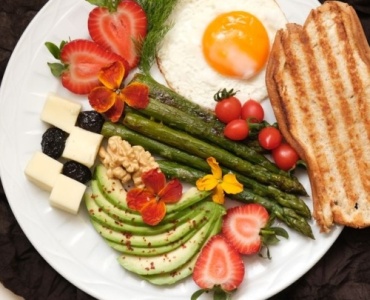
Turn principles into plates by assembling smart combinations of anti inflammatory foods. Use this simple formula: produce + protein + healthy fat + whole carbohydrate. Then layer herbs and spices.
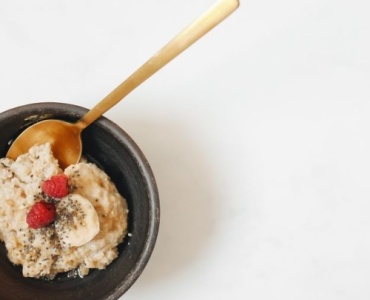
- Breakfast: Oats cooked with cinnamon, topped with blueberries, walnuts, and a dollop of yogurt—an easy stack of anti inflammatory foods.
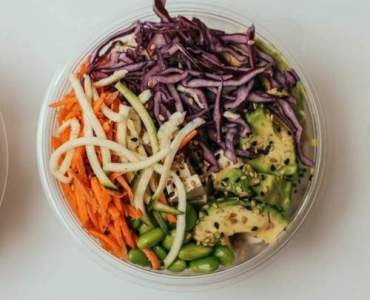
- Lunch: Kale and quinoa bowl with roasted sweet potato, chickpeas, cherry tomatoes, avocado, and olive oil—more colorful anti inflammatory foods.
- Dinner: Baked salmon with lemon and dill, side of garlicky broccoli and barley—a complete set of anti inflammatory foods.
- Snack: Apple slices with almond butter, or carrot sticks with hummus—portable anti inflammatory foods for busy days.
A 1-Day Sample Menu
This simple day illustrates how effortless an array of anti inflammatory foods can be.
- Upon waking: Warm water with lemon, then green tea
- Breakfast: Overnight oats with chia, cinnamon, kefir, and mixed berries—layers of anti inflammatory foods
- Lunch: Lentil-vegetable soup with kale and tomatoes; side salad with EVOO and walnuts
- Snack: Pear and a few pumpkin seeds—simple anti inflammatory foods
- Dinner: Grilled trout, quinoa, roasted Brussels sprouts, and a drizzle of olive oil
- Dessert: Square of dark chocolate with raspberries—delicious anti inflammatory foods
Smart Grocery List for the Week
Use this focused list to stock up on anti inflammatory foods you’ll actually eat.
- Produce: Kale, spinach, arugula, broccoli, cauliflower, peppers, tomatoes, carrots, beets, onions, garlic, berries, apples, citrus
- Proteins: Salmon, sardines, trout, eggs, Greek yogurt, kefir, chickpeas, lentils, black beans, tempeh
- Fats and oils: Extra-virgin olive oil, avocado oil, walnuts, almonds, chia, flax, pumpkin seeds
- Grains: Oats, quinoa, brown rice, barley, buckwheat
- Flavor: Turmeric, ginger, cinnamon, rosemary, oregano, thyme, miso
- Extras: Dark chocolate 70%+, green tea, coffee
Cooking Tips to Maximize Benefits
How you prepare anti inflammatory foods matters almost as much as which ones you choose. These simple techniques protect fragile nutrients and enhance absorption.
- Mind the heat: Roast at moderate temps, sauté gently, or steam; avoid frequent charring to preserve the integrity of anti inflammatory foods.
- Add fat to veggies: A drizzle of olive oil helps you absorb fat-soluble carotenoids from plant-based anti inflammatory foods.
- Spice synergy: Combine turmeric with black pepper; pair tomatoes with olive oil—classic anti inflammatory foods combinations.
- Batch-cook: Prep grains, beans, and roasted vegetables so building bowls of anti inflammatory foods takes minutes.
Anti-Inflammatory Eating on a Budget
You don’t need specialty products to eat a pattern rich in anti inflammatory foods. Buy in-season produce, choose frozen berries and vegetables, lean on dry legumes, and watch for sales on canned salmon or sardines. With planning, anti inflammatory foods can be both economical and convenient.
- Shop smart: Frozen broccoli and berries are nutrient-dense, affordable anti inflammatory foods.
- Cook once, eat twice: Turn a pot of lentils into soup one night and tacos the next—both anchored by anti inflammatory foods.
Pairing Food with Lifestyle Habits
Diet does the heavy lifting, but lifestyle helps lock in the gains from anti inflammatory foods. Gentle movement, restorative sleep, and stress-management practices like breathwork or a short walk after meals can all complement your focus on anti inflammatory foods.
- Move daily: Walking, yoga, or cycling support metabolic flexibility.
- Sleep well: A consistent routine helps regulate appetite and blood sugar.
- Manage stress: Even five minutes of mindfulness can support a calmer internal environment.
Frequently Asked Questions
How quickly will I feel a difference?
Some people notice changes in energy and digestion within a couple of weeks of centering meals on anti inflammatory foods. The biggest benefits come with consistency over months, as patterns of eating stabilize your internal environment with diverse anti inflammatory foods.
Do I need to eliminate entire food groups?
Usually, no. Most people can thrive by emphasizing whole, minimally processed anti inflammatory foods and reducing ultra-processed items. Unless you have a diagnosed allergy or intolerance, a flexible, inclusive approach makes anti inflammatory foods easier to sustain.
What about supplements?
Supplements can sometimes fill gaps, but whole-food sources remain the foundation of anti inflammatory foods. If you’re considering supplements like omega‑3s or curcumin, speak with a healthcare professional—especially if you take medications—while keeping your daily meals rich in anti inflammatory foods.
A Simple Framework for Long-Term Success
To keep momentum, make anti inflammatory foods your default. Build a weekly ritual: plan 3 breakfasts, 3 lunches, and 3 dinners in rotation. Batch-cook grains and legumes, roast a tray of vegetables, grill or bake seafood, and wash greens in advance. With a little front-loading, reaching for anti inflammatory foods becomes the easiest option.
- Rotate your proteins: Alternate fatty fish, legumes, and fermented dairy across the week for varied anti inflammatory foods.
- Eat the rainbow: Ensure each day includes at least four colors of plant-based anti inflammatory foods.
- Flavor generously: Herbs and spices keep anti inflammatory foods exciting—and delicious.
Putting It All Together
Unlocking wellness with anti inflammatory foods is less about perfection and more about proportion. Fill most of your plate with colorful plants; add a serving of protein and a drizzle of healthy fat; season boldly; and enjoy meals slowly. Over time, the steady rhythm of anti inflammatory foods supports a balanced inflammatory response, steady energy, and a sense of vitality that carries into every part of life.
Quick recap:
- Center every meal on colorful plants, healthy fats, and quality proteins—core anti inflammatory foods.
- Keep cooking simple and gentle to preserve benefits of anti inflammatory foods.
- Shop with a list, prep in batches, and lean on spices to make anti inflammatory foods craveable.
Note: This article provides general educational information and is not a substitute for personalized medical advice. If you have health conditions or take medications, consult a qualified professional to tailor an eating plan centered on anti inflammatory foods to your needs.