Introduction: Why High Fiber Foods Matter for Optimal Health
If there is one nutrition upgrade that delivers outsized benefits for your heart, digestion, and energy, it is choosing more high fiber foods. These nutrient-packed staples do more than keep you regular. They feed beneficial gut bacteria, help lower LDL cholesterol, smooth out blood sugar spikes, support a healthy weight, and keep you feeling full and satisfied. For many people, adding a few strategic high fiber foods at breakfast, lunch, and dinner is the simplest way to transform overall well-being without counting calories or giving up favorite flavors.
In this comprehensive guide, you will learn how fiber works in the body, daily intake targets, and exactly which high fiber foods you should prioritize. You will also find practical serving ideas, quick prep tips, and delicious combinations that make it easy to enjoy these foods every day. Let’s dive into the top 10 high fiber foods you need for optimal health.
What Is Dietary Fiber? Soluble vs. Insoluble
Dietary fiber is the indigestible part of plant foods. Unlike carbohydrates that break down into glucose, fiber passes through the gastrointestinal tract and exerts powerful metabolic and digestive effects. Many high fiber foods deliver both types of fiber: soluble and insoluble. Soluble fiber dissolves in water and forms a gel-like substance that helps slow digestion, lower cholesterol, and steady blood sugar. Insoluble fiber adds bulk to stool and supports efficient elimination, lowering the risk of constipation.
Both forms are essential, and the best way to get them is by eating a wide range of high fiber foods such as whole grains, legumes, vegetables, fruits, nuts, and seeds. This variety also ensures a rich intake of polyphenols, vitamins, and minerals that work synergistically with fiber to nurture the microbiome and protect long-term health.
How Much Fiber Do You Need Each Day?
While needs vary, a helpful benchmark is about 25 grams of fiber per day for most women and 38 grams for most men, with slightly lower targets for older adults. Most people fall short by a wide margin, making a focused push toward high fiber foods a meaningful and realistic goal.
Start by adding one or two high fiber foods to each meal and snack. By building plates around fiber-rich staples, you will naturally move toward the recommended intake, reap benefits like consistent energy and satiety, and reduce the risk of chronic disease.
How to Add High Fiber Foods Safely (and Enjoyably)
As you increase high fiber foods, go slow and drink more water. A gradual increase allows your microbiome and digestive system to adapt, minimizing bloating or discomfort. Pairing fiber with adequate fluids and regular movement helps fiber do its job effectively.
Another smart strategy is to diversify. Mixing different high fiber foods—whole grains, legumes, vegetables, fruits, and seeds—exposes your gut to a wider range of prebiotic fibers, which can cultivate a more resilient microbiome and amplify health benefits over time.
The Top 10 High Fiber Foods You Need in Your Diet
Here is a curated list of powerhouse high fiber foods to put on repeat. These options are versatile, affordable, and easy to prepare, making them perfect for everyday meals that taste as good as they are good for you.
- Oats
- Barley
- Lentils
- Chickpeas
- Black beans
- Chia seeds
- Flaxseeds
- Avocado
- Raspberries
- Broccoli
Build your grocery list around these high fiber foods and rotate them through breakfasts, lunches, dinners, and snacks to keep your menu exciting and sustainable.
1. Oats
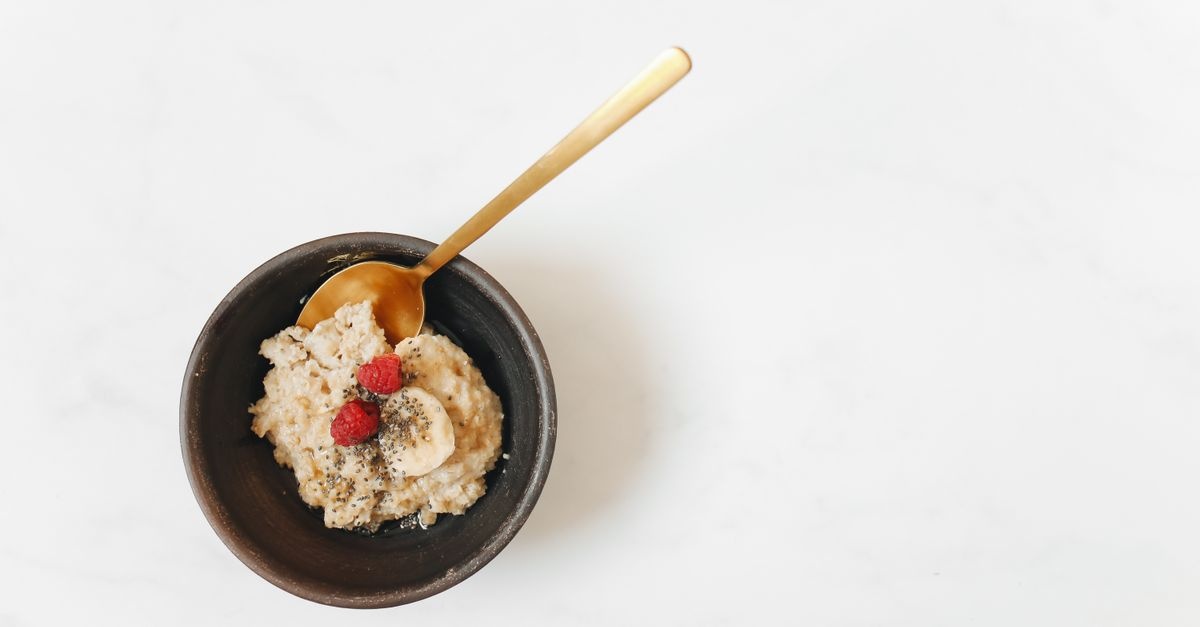
Oats are a star among high fiber foods thanks to beta-glucan, a soluble fiber known for supporting healthy cholesterol and promoting steady blood sugar. Overnight oats, warm porridge, and homemade granola are all simple, satisfying ways to add more fiber and whole-grain goodness to your day.
To get the most from this staple, choose steel-cut or old-fashioned oats over instant varieties to preserve texture and fiber integrity. Blend oats into smoothies for a creamy body or use oat flour in pancakes and muffins to make baked goods more fiber-forward.
- Easy ideas: Overnight oats with chia seeds and berries; savory oatmeal topped with eggs and sautéed greens; oat and nut energy bites.
- Pro tip: Stir in cinnamon and a spoonful of ground flax for an extra fiber boost.
2. Barley
Barley is one of the most underrated high fiber foods. Rich in beta-glucan like oats, it delivers a hearty chew and a mellow, nutty flavor that pairs well with soups, stews, and grain bowls. Barley’s soluble fiber supports heart health and keeps you full for hours.
Pearled barley cooks faster, but hulled barley retains more fiber. Whichever you choose, use it as a base for roasted vegetables and legumes or fold into salads for an ultra-satisfying meal.
- Easy ideas: Vegetable barley soup; lemon-herb barley salad with chickpeas; mushroom barley risotto.
- Pro tip: Cook a big batch and refrigerate for quick lunches built around high fiber foods.
3. Lentils
Lentils are a budget-friendly staple and one of the most versatile high fiber foods. They cook quickly without soaking and provide a balance of fiber and plant protein that supports stable energy and appetite control.
From soups and curries to tacos and salads, lentils deliver robust flavor and texture. Red lentils break down and thicken dishes, while green and brown lentils hold their shape nicely for salads and grain bowls.
- Easy ideas: Red lentil dal; Mediterranean lentil salad with tomatoes and cucumbers; lentil and veggie tacos.
- Pro tip: Season generously with spices and herbs to maximize satisfaction from high fiber foods.
4. Chickpeas
Chickpeas (garbanzo beans) are beloved for their creamy texture and are among the most popular high fiber foods worldwide. They are a go-to for hummus, crunchy roasted snacks, and hearty stews.
Use canned chickpeas for convenience or cook dried chickpeas for superior texture. They take on flavors beautifully and can transform a simple salad or soup into a fiber-rich, satiating meal.
- Easy ideas: Hummus with raw veggies; roasted chickpeas with smoked paprika; chickpea and spinach curry.
- Pro tip: Save aquafaba (chickpea liquid) to whip into a light foam for dressings and desserts that complement high fiber foods.
5. Black Beans
Black beans are flavorful, affordable, and undeniably effective as high fiber foods. Their combination of fiber, protein, and antioxidants offers lasting fullness and supports heart and gut health.
They shine in Latin-inspired bowls, soups, and tacos, and pair especially well with sweet potatoes, avocados, and cilantro-lime rice for craveable meals you will want on repeat.
- Easy ideas: Black bean soup; black bean and corn salsa; burrito bowls with brown rice and veggies.
- Pro tip: Mash black beans with spices for quick burgers served alongside other high fiber foods.
6. Chia Seeds
Chia seeds are tiny powerhouses among high fiber foods. Their soluble fiber forms a gel that supports satiety and regularity. They also supply plant-based omega-3s, which complement fiber’s heart-friendly effects.
Because chia absorbs liquid, it is ideal for puddings, overnight oats, and smoothie bowls. Sprinkle chia over salads and yogurt, or stir it into muffin batter to elevate the fiber content.
- Easy ideas: Chia pudding with raspberries; chia-boosted oatmeal; citrus chia fresca.
- Pro tip: Mix chia with ground flax to create a nutrient-dense topping for many high fiber foods.
7. Flaxseeds
Ground flaxseeds deliver soluble and insoluble fiber along with lignans and omega-3 fats, making them a functional choice among high fiber foods. Grinding is key; whole flaxseeds may pass through undigested.
Stir ground flax into yogurt, oatmeal, and smoothies, or use it as an egg replacer in baking. Its mild, nutty taste works with both sweet and savory dishes.
- Easy ideas: Flax and oat pancakes; flax-sprinkled avocado toast; berry smoothie with ground flax.
- Pro tip: Store ground flax in the fridge or freezer to protect the healthy fats in your high fiber foods.
8. Avocado
Avocado is a creamy outlier among high fiber foods because it pairs fiber with heart-healthy monounsaturated fats. This combo supports satiety, steady energy, and nutrient absorption from other foods in your meal.
Enjoy avocado on toast, in salads, in tacos, or blended into sauces and dressings. It is an easy way to add richness and fiber to breakfasts and lunches alike.
- Easy ideas: Avocado toast with hemp seeds; guacamole with veggie sticks; grain bowl with avocado, black beans, and salsa.
- Pro tip: Pair avocado with beans or whole grains to build balanced meals anchored by high fiber foods.
9. Raspberries
Raspberries are one of the most fiber-dense fruits per calorie, earning a top spot among high fiber foods. They also deliver vitamin C and colorful polyphenols that work hand in hand with fiber to support the gut and immune system.
Use raspberries to sweeten without added sugar and to boost texture in yogurt bowls, salads, and desserts. Frozen raspberries are economical and convenient for smoothies and sauces.
- Easy ideas: Greek yogurt with raspberries and chia; spinach salad with raspberries and walnuts; raspberry chia jam.
- Pro tip: Mix raspberries with other berries to diversify the prebiotic fibers in your high fiber foods.
10. Broccoli
Broccoli is a cruciferous powerhouse and a mainstay in lists of high fiber foods. It contains both soluble and insoluble fiber, plus sulfur-containing compounds that support detoxification and metabolic health.
Steam gently, roast to caramelized perfection, or pulse into a fine crumble for quick sautés. Broccoli pairs well with lemon, garlic, olive oil, and toasted almonds to create deeply satisfying vegetable sides.
- Easy ideas: Roasted broccoli with tahini drizzle; broccoli and chickpea stir-fry; broccoli pesto pasta made with whole-grain noodles.
- Pro tip: Do not overcook to preserve texture and the fiber quality of your high fiber foods.
Smart Ways to Combine High Fiber Foods in Meals
Combining high fiber foods multiplies their benefits and makes meals more satisfying. A whole-grain base plus legumes, vegetables, and a sprinkle of seeds delivers a powerful blend of soluble and insoluble fiber with sustained energy.
- Breakfast: Oats with chia and raspberries; smoothie with oats, spinach, and ground flax; avocado toast on whole-grain bread.
- Lunch: Barley and lentil salad with broccoli and lemon-tahini dressing; black bean burrito bowl with brown rice and salsa.
- Dinner: Chickpea and vegetable curry over barley; roasted broccoli with quinoa and avocado; lentil Bolognese on whole-grain pasta.
- Snacks: Hummus with raw veggies; chia pudding; roasted chickpeas; a cup of berries with yogurt.
These balanced combinations maximize the nutrient density of high fiber foods and make healthy eating feel effortless.
Reading Labels: Choosing the Best High Fiber Foods at the Store
When shopping, scan the nutrition panel and ingredients list to find the most effective high fiber foods. Look for whole grains listed first (such as whole oats or whole barley), at least 4 grams of fiber per serving for breads and cereals, and minimal added sugars. For canned beans, choose low-sodium options and rinse before using. Whole, minimally processed foods remain your most reliable path to fiber-rich meals.
FAQs About High Fiber Foods and Fiber Intake
Q: How fast will I notice benefits from high fiber foods?
Many people feel fuller and more regular within a few days of consistently eating high fiber foods. Cholesterol and blood sugar improvements may take several weeks of steady habits.
Q: Can high fiber foods help with weight management?
Yes. High fiber foods are filling, slow digestion, and help curb overeating by stabilizing appetite. They also promote a healthier gut microbiome linked to weight regulation.
Q: What if I feel bloated when I add more fiber?
Increase high fiber foods gradually, drink more water, and diversify your choices. Most discomfort fades as your digestive system adapts.
Q: Are supplements as effective as food?
Fiber supplements can help fill gaps, but whole high fiber foods provide additional nutrients and polyphenols that work synergistically with fiber. Use supplements as a complement, not a replacement.
Final Thoughts: Make High Fiber Foods Your Everyday Habit
The easiest path to better digestion, steadier energy, and long-term heart and metabolic health is to center your meals on high fiber foods. With the ten options above, you have everything you need to build breakfasts, lunches, dinners, and snacks that are both delicious and deeply nourishing.
Start today by choosing two or three high fiber foods to add to your next grocery list. Rotate them through recipes you enjoy, keep preparation simple, and let the benefits add up meal by meal. Your gut—and your future self—will thank you.