Unlocking Your Potential: The Best Diet Plan for Optimal Health
Choosing the best diet plan isn’t about following a short-lived trend. It’s about aligning nutrition with your biology, schedule, psychology, and goals so you can thrive for the long term. The best diet plan helps you sustain energy, maintain a healthy weight, and protect your heart, brain, and metabolic health without obsessing over every bite. Instead of rigid rules, the best diet plan offers flexible structure, nutrient-dense foods, and a rhythm you can maintain on busy days and special occasions alike.
In this comprehensive guide, you’ll learn what “best” truly means, how to tailor your approach to your goals (weight loss, muscle gain, or overall wellness), and how to transition into a plan you can actually sustain. You’ll also get practical templates for the best diet plan for beginners, the best diet plan for weight loss, the best diet plan for muscle gain, and the best vegetarian diet plan, plus a look at the best low-carb diet plan and the best flexible diet plan for real-world eating.
What “Best” Really Means in a Diet Plan
There is no single universal best diet plan for every person, but there is a best diet plan for your current needs, preferences, and health status. “Best” means effective, sustainable, and safe. It supports your goals today and evolves with your life. The best diet plan also respects your culture, budget, and time. If a plan feels punishing, confusing, or impossible to integrate into your routine, it is not your best—no matter how popular it seems online.
Think of “best” as the intersection of four pillars: the science of energy balance and nutrition, your personal preferences, your health markers, and your lifestyle realities. When these pillars align, the best diet plan becomes obvious—and surprisingly simple—to follow.
Core Principles of the Best Diet Plan
Whether you’re building the best diet plan for a healthy lifestyle or targeting a specific goal, these evidence-based principles remain consistent.
- Personalization first: Your metabolism, hunger signals, medical history, and activity level matter. The best diet plan fits you, not the other way around.
- Energy balance: Calories still count. For weight loss, a modest deficit; for muscle gain, a slight surplus; for maintenance, balance intake with output.
- Protein-forward eating: Most people thrive around 1.6–2.2 g protein/kg body weight daily. It supports satiety, muscle, and metabolic health—cornerstones of the best diet plan.
- Fiber and micronutrients: Vegetables, fruits, legumes, whole grains, nuts, and seeds deliver fiber and essential vitamins/minerals. They are non-negotiable in any best diet plan.
- Carb quality and timing: Emphasize whole-food carbs, time more carbs around activity if you’re athletic, and consider a lower-carb approach if you prefer it.
- Healthy fats: Include olive oil, avocado, nuts, seeds, and fatty fish. They aid hormone production, absorption of fat-soluble vitamins, and satiety.
- Consistency with flexibility: The best diet plan allows treats and social meals without guilt. Progress beats perfection.
Personalization and Energy Balance
Start by estimating your maintenance calories using your body weight, height, age, sex, and activity level. Adjust intake gradually—250–500 fewer calories per day for fat loss, or 150–300 more for muscle gain. Personalization is the essence of the best diet plan: adjust based on your hunger, energy, sleep, training performance, and weekly progress, not rigid rules.
Macronutrient Targets Made Simple
- Protein: 1.6–2.2 g/kg for most goals; up to ~2.4 g/kg in aggressive cuts or heavy training. Anchor meals around quality protein.
- Carbs: Variable. Higher for intense training or if you feel better with more carbs; lower if you prefer fewer carbs or manage insulin response. The best low-carb diet plan still prioritizes veggies and protein.
- Fats: 20–35% of calories for most people. Focus on mono- and polyunsaturated fats.
Micronutrients, Fiber, and the “Plants First” Lens
Even the best diet plan falls short without adequate micronutrients and fiber. Aim for 25–40 g fiber/day depending on your size and intake, and “eat the rainbow” to cover vitamin and mineral bases. If you follow the best vegetarian diet plan, consider attention to iron, B12, zinc, iodine, and omega-3s (ALA from plants and possibly EPA/DHA from algae oil).
Hydration, Sleep, and Stress
Hydration supports cognitive performance, appetite regulation, and exercise. Sleep (7–9 hours) and stress management regulate hunger hormones and recovery. The best diet plan is not just food—it’s the lifestyle matrix that lets the food work.
How to Build the Best Diet Plan for Beginners
The best diet plan for beginners prioritizes clarity and small wins. Instead of overhauling your life, master a handful of habits and repeat them. This approach transforms theory into action and makes the best diet plan feel doable from day one.
- Pick protein for each meal: Eggs, Greek yogurt, tofu, tempeh, fish, chicken, lentils, or beans.
- Fill half your plate with plants: Vegetables most often; include fruit daily.
- Add smart carbs: Whole grains, starchy vegetables, or fruit—especially around workouts.
- Include healthy fats: Olive oil, nuts, seeds, avocado.
- Plan 2–3 core breakfasts, lunches, and dinners you enjoy: Rotate them each week. The best diet plan is repeatable.
The Best Diet Plan for Weight Loss
The best diet plan for weight loss creates a steady calorie deficit without leaving you ravenous or drained. That means front-loading protein and fiber, choosing satisfying meals, and keeping treats within a balanced budget. A best meal plan for weight loss includes lean proteins, high-fiber carbs, non-starchy vegetables, and healthy fats—while staying flexible for real life.
- Protein at each meal: Keeps you full and preserves muscle.
- Fiber focus: Vegetables, legumes, whole grains, berries.
- Smart portions of calorie-dense foods: Use smaller amounts of nuts, oils, cheese, and sweets.
- Meal timing: Front-load protein earlier in the day; pre-plan snacks.
If weight loss stalls, gently adjust calories, increase steps, or tighten weekend habits. The best diet plan avoids extreme restriction and embraces consistency.
The Best Diet Plan for Muscle Gain
The best diet plan for muscle gain pairs progressive resistance training with a slight calorie surplus and higher protein. Target 1.6–2.2 g/kg protein, distribute evenly across 3–5 meals, and emphasize carbs around training. Add 150–300 calories per day, primarily from carbs and protein. The best diet plan for hypertrophy includes easy meal prep and nutrient timing that supports performance and recovery.
The Best Diet Plan for a Healthy Lifestyle
The best diet plan for a healthy lifestyle balances metabolic health, cardiovascular protection, brain function, and enjoyment. Think Mediterranean-style foundations: vegetables, fruits, legumes, whole grains, nuts, seeds, olive oil, herbs, spices, and regular fish. Include fermented foods for gut diversity and keep ultra-processed foods to a minimum. The result is the best diet plan for long-term vitality.
The Best Vegetarian Diet Plan
The best vegetarian diet plan is abundant, colorful, and protein-aware. Build each meal around plants, then add strategic protein sources and healthy fats. A vegetarian version of the best diet plan can be exceptionally nutrient-dense with smart planning.
- Proteins: Lentils, chickpeas, tofu, tempeh, edamame, seitan, Greek yogurt, cottage cheese, eggs (if ovo-lacto).
- Carbs: Quinoa, oats, farro, brown rice, buckwheat, potatoes, fruit.
- Fats: Olive oil, avocado, nuts, seeds, tahini.
- Micronutrient watch-outs: B12 (supplement if needed), iron (pair with vitamin C), zinc, iodine, omega-3s.
The Best Low-Carb Diet Plan
If you prefer fewer carbs or feel better with steadier blood sugar, the best low-carb diet plan can be a great fit. The key is not just “low carb” but “high quality.” Load your plate with non-starchy vegetables, adequate protein, and healthy fats. The best diet plan in a low-carb context remains plant-forward and nutrient-dense, not bacon-only.
- Focus: Leafy greens, cruciferous vegetables, eggs, fish, poultry, tofu/tempeh, olive oil, nuts, and seeds.
- Carb timing: Use most carbs around workouts or in the evening if it helps sleep.
- Fiber: Ensure high-fiber, low-carb veggies to support gut health.
The Best Flexible Diet Plan
The best flexible diet plan (often called “flexible dieting” or macro-friendly eating) emphasizes targets and ranges rather than rigid food lists. You can enjoy favorite foods in moderation as long as you meet your protein, calorie, and fiber goals. This approach often becomes the best diet plan for people who travel, dine out, or simply dislike strict rules.
Sample 7-Day Meal Framework You Can Personalize
This framework shows how the best diet plan can look across a week. Adjust protein, carbs, and fats to your goals and preferences.
Breakfast Ideas
- Protein oatmeal: Oats, whey or plant protein, chia, berries, almond butter.
- Veggie scramble: Eggs or tofu, spinach, tomatoes, mushrooms, olive oil; side fruit.
- Greek yogurt bowl: Yogurt, granola or high-fiber cereal, mixed berries, pumpkin seeds.
Lunch Ideas
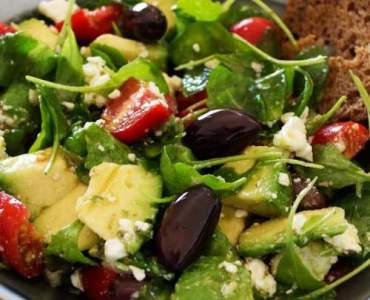
- Power salad: Greens, quinoa, chickpeas or chicken, rainbow veggies, avocado, olive oil vinaigrette.
- Stir-fry: Tofu or shrimp, mixed vegetables, edamame; serve over brown rice or cauliflower rice.
- Wrap or bowl: Whole-grain wrap or grain bowl with beans, veggies, salsa, and yogurt-tahini sauce.
Dinner Ideas
- Salmon and veg: Baked salmon, roasted broccoli, sweet potato; drizzle olive oil and lemon.
- Turkey chili: Ground turkey or lentil chili; side salad; optional corn tortilla.
- Tempeh sheet-pan: Tempeh, Brussels sprouts, carrots, onions; tahini-miso glaze.
Snack Ideas
- Apple and peanut butter; carrot sticks and hummus.
- Cottage cheese with pineapple; edamame with sea salt.
- Protein smoothie with spinach, berries, and flax.
Use this as a scaffold for the best diet plan: repeat meals you enjoy, swap proteins, and rotate vegetables for variety.
Women and Men: Tailoring the Best Diet Plan
The Best Diet Plan for Women
The best diet plan for women considers hormonal fluctuations, iron needs, bone health, and life stages. Emphasize iron-rich foods (leafy greens, legumes, fortified cereals, lean meats if not vegetarian) with vitamin C for absorption, sufficient calcium and vitamin D, and protein for lean mass, especially during perimenopause and menopause. The best diet plan also respects appetite changes across the cycle—keep snacks protein- and fiber-forward when hunger rises.
The Best Diet Plan for Men
The best diet plan for men prioritizes heart health, metabolic fitness, and muscle maintenance. Focus on omega-3-rich fish, fiber from legumes and whole grains, and resistance training support with adequate protein. Limit alcohol and ultra-processed meats; choose olive oil and nuts for healthy fats. This is often the best diet plan to protect long-term vitality.
A Practical Grocery List for the Best Diet Plan
- Proteins: Eggs, Greek yogurt, cottage cheese, tofu, tempeh, lentils, beans, chicken breast, canned tuna/salmon.
- Carbs: Oats, brown rice, quinoa, potatoes, whole-grain bread/wraps, fruit.
- Vegetables: Leafy greens, broccoli, peppers, carrots, tomatoes, onions, frozen blends for convenience.
- Fats: Olive oil, avocado, almonds, walnuts, chia, flax, pumpkin seeds.
- Flavor boosters: Herbs, spices, garlic, lemon, vinegar, salsa, tahini.
Stock your kitchen around these staples and you’ll find the best diet plan becomes easy to execute, even on hectic days.
Common Mistakes to Avoid
- All-or-nothing thinking: The best diet plan allows imperfection. A treat isn’t a failure.
- Under-eating protein: Leads to hunger, muscle loss, and plateaus.
- Ignoring fiber: Impacts satiety, digestion, and heart health.
- Weekend calorie creep: Keep your routine consistent; plan social meals.
- Skipping strength training: For weight loss and longevity, it’s a non-negotiable partner to the best diet plan.
How to Track Progress Without Obsession
Use multiple metrics so you don’t fixate on a single number. The best diet plan celebrates non-scale wins and long-term changes.
- Weekly averages: If weighing, track weekly averages, not daily fluctuations.
- Body measurements and fit of clothes: Capture physique changes missed by the scale.
- Energy, sleep, performance: If these improve, your plan is working.
- Photos every 4 weeks: Visual progress motivates adherence.
Best Diet Plan FAQs
Is there a single best diet plan for everyone?
No. Genetics, preferences, medical history, and lifestyle differ. The best diet plan is the one you can follow consistently, that aligns with your health, and that adapts as your life changes.
How fast should I lose weight?
A steady 0.3–0.7% of body weight per week is typical. The best diet plan for weight loss focuses on sustainability—not crash diets.
Do I have to track calories?
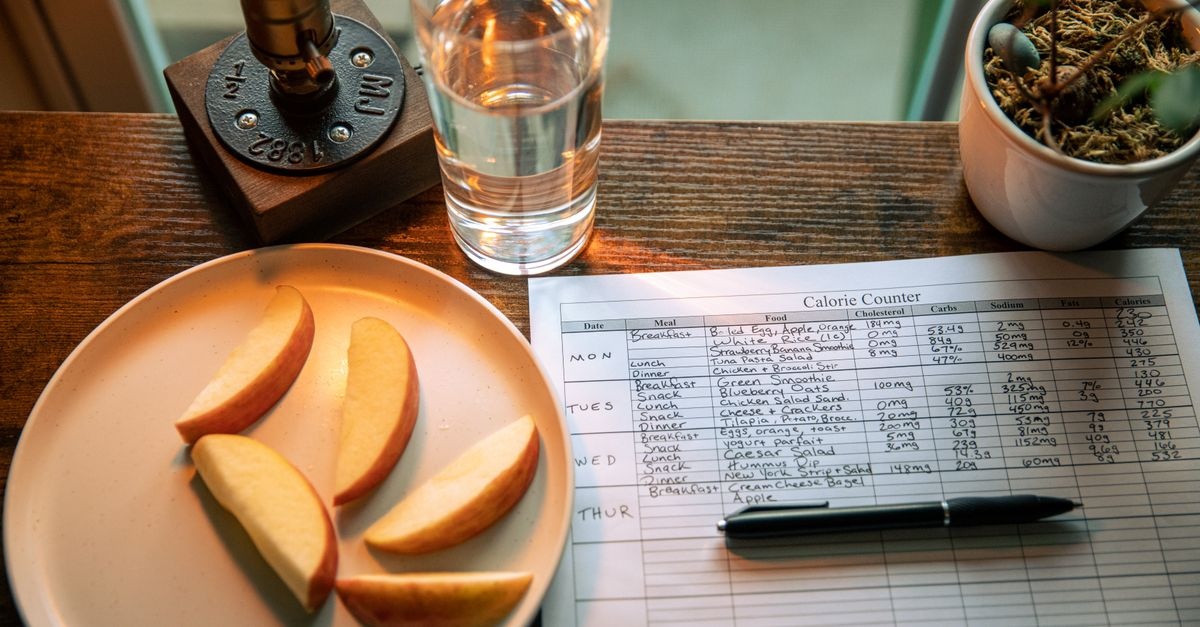
Not necessarily. Many people succeed with portion guides, consistent meals, and habits. Still, even rough tracking can be helpful when starting the best diet plan.
What about low-carb vs. low-fat?
Both can work. Choose what you enjoy and can maintain. The best low-carb diet plan and higher-carb approaches share the same fundamentals: protein, produce, and minimally processed foods.
Can vegetarians build muscle?
Absolutely. The best vegetarian diet plan emphasizes sufficient total protein from diverse sources and smart supplementation if needed (e.g., B12, possibly algae-based omega-3).
Putting It Together: Craft Your Personal Best Diet Plan
Here’s a simple step-by-step to design the best diet plan for your life:
- Clarify your goal: Fat loss, muscle gain, performance, or maintenance.
- Set calorie and protein anchors: Adjust up or down each week based on results.
- Choose your carb and fat split: Higher carbs if you train hard; lower if you prefer it.
- Build a repeatable menu: 2–3 breakfasts, 3–4 lunches, 4–6 dinners you enjoy.
- Plan for life: Include social meals and treats by budgeting them in.
- Review weekly: Keep what works, tweak what doesn’t. The best diet plan evolves with your feedback.
Special Considerations and Safety
If you have a medical condition (e.g., diabetes, kidney disease, gastrointestinal disorders, or a history of eating disorders), consult a qualified healthcare professional or registered dietitian before making major changes. The best diet plan should integrate your medical needs and prescriptions to ensure safety and success.
Conclusion: Your Sustainable Path to Optimal Health
Optimal health isn’t a destination; it’s a daily practice. The best diet plan is the one that helps you eat well most of the time, trains your body to feel energized and capable, and leaves room for real life. Whether you choose the best diet plan for weight loss, the best diet plan for muscle gain, the best diet plan for beginners, the best vegetarian diet plan, or the best flexible diet plan, anchor your meals in protein, plants, and minimally processed foods. With consistency, small improvements, and a mindset of flexibility over perfection, you’ll unlock your potential—one smart choice at a time—and discover the best diet plan for you.