Fatty liver disease is increasingly common worldwide, yet many people don’t realize they have it until routine blood work or imaging picks it up. In its earliest phases, fatty liver disease causes few symptoms, but over time it can progress to liver inflammation, scarring, cirrhosis, and even liver cancer. The good news: with timely detection and the right plan, you can often halt or reverse much of the damage. This comprehensive guide explains the causes of fatty liver disease, hallmark signs, how doctors confirm a diagnosis, and the most effective strategies for fatty liver disease management, from diet and exercise to medications and long-term follow-up.
What Is Fatty Liver Disease?
Fatty liver disease refers to excess fat (steatosis) stored in liver cells. It spans a spectrum from simple fat accumulation to inflammation (steatohepatitis), fibrosis (scar tissue), and cirrhosis. There are two main categories:
- Nonalcoholic fatty liver disease (NAFLD), now often termed metabolic dysfunction–associated steatotic liver disease (MASLD), occurs in people who drink little or no alcohol. It is tightly linked to insulin resistance, overweight/obesity, type 2 diabetes, and cardiometabolic risk.
- Alcohol-related fatty liver disease (sometimes called ALD) arises from harmful alcohol use; it can overlap with metabolic risk factors.
Globally, fatty liver disease has become a public health priority, paralleling the rise in obesity and diabetes. Most people have the “simple fat” form, but a significant minority develop steatohepatitis and fibrosis. Those are the stages that carry higher risks for cirrhosis, liver failure, and hepatocellular carcinoma (HCC), as well as heart and kidney disease.
Causes of Fatty Liver Disease
Understanding the causes of fatty liver disease helps tailor prevention and treatment. Most cases reflect a mix of genetic predisposition and lifestyle factors, especially insulin resistance and dietary patterns.
Metabolic Drivers
- Insulin resistance shifts fat storage to the liver, increases fatty acid delivery, and promotes new fat production (de novo lipogenesis).
- Excess calorie intake, particularly from sugar-sweetened beverages and refined carbohydrates (especially fructose), fuels liver fat accumulation.
- Obesity and visceral fat raise inflammatory signals and worsen hepatic insulin resistance.
- Type 2 diabetes and dyslipidemia (high triglycerides, low HDL) accelerate fat buildup and inflammation in the liver.
Alcohol and Other Contributors
- Alcohol directly injures liver cells and alters fat metabolism; even moderate drinking can worsen fatty liver disease in people with metabolic risk.
- Medications (for example, some corticosteroids, amiodarone, methotrexate, tamoxifen) can promote steatosis or steatohepatitis.
- Genetics (variants such as PNPLA3, TM6SF2) influence susceptibility and disease severity.
- Other conditions including hypothyroidism, polycystic ovary syndrome (PCOS), sleep apnea, and malnutrition or rapid weight loss can contribute.
In short, fatty liver disease typically develops when multiple metabolic stressors converge, with alcohol and genetics acting as important modifiers.
Fatty Liver Disease Risk Factors
Not everyone exposed to the same environment develops liver fat. Key fatty liver disease risk factors include:
- Overweight or obesity (especially central/visceral adiposity)
- Insulin resistance, prediabetes, or type 2 diabetes
- Dyslipidemia (high triglycerides, low HDL)
- Hypertension and metabolic syndrome
- Family history of fatty liver disease or cirrhosis
- Genetic variants like PNPLA3
- Obstructive sleep apnea, hypothyroidism, PCOS
- Harmful alcohol use or even moderate alcohol in the context of metabolic risk
- Certain ethnicities (e.g., Hispanic/Latino) have higher prevalence, partly due to genetic factors.
The more of these you have, the more likely fatty liver disease is to be present and to progress.
Fatty Liver Disease Symptoms
Many people have no obvious fatty liver disease symptoms, especially in early stages. When symptoms do occur, they tend to be non-specific:
- Fatigue, low energy, or malaise
- Discomfort or a sense of fullness in the upper right abdomen
- Bloating or mild nausea
Advanced liver damage may lead to warning signs such as jaundice, fluid retention (ascites), easy bruising, confusion (encephalopathy), or unintentional weight loss. Because fatty liver disease is often silent, proactive screening in at-risk individuals is essential.
Fatty Liver Disease Stages
The fatty liver disease stages describe a spectrum of injury:
- Simple steatosis (fat accumulation without significant inflammation)
- Steatohepatitis (inflammation and liver cell injury), historically called NASH, now often referred to as MASH
- Fibrosis, graded F0–F4 (F4 is cirrhosis)
- Cirrhosis with complications including portal hypertension and increased risk of HCC
Not everyone progresses. With early detection and targeted changes, many people stabilize or improve. However, fatty liver disease with steatohepatitis and fibrosis carries higher risks and demands closer management.
Diagnosis of Fatty Liver Disease
A careful, stepwise approach guides the diagnosis of fatty liver disease. Your clinician will typically start with risk assessment, basic labs, and imaging, then refine the picture with noninvasive fibrosis tools—and, in selected cases, biopsy.
History and Physical
- Assess alcohol intake, medications, comorbidities, family history.
- Document weight trajectory, diet, activity, sleep, and symptoms.
Laboratory Tests
- Liver enzymes (ALT, AST), alkaline phosphatase, bilirubin
- Platelets, albumin, INR (to gauge liver synthetic function)
- HbA1c, fasting glucose, lipid profile, thyroid function when indicated
Imaging
- Ultrasound is often first-line to detect steatosis.
- Transient elastography (FibroScan) estimates liver stiffness (fibrosis) and controlled attenuation parameter (CAP) for fat.
- MRI-PDFF precisely quantifies fat; MR elastography evaluates fibrosis.
Noninvasive Scores
- FIB-4 and NAFLD Fibrosis Score help stratify risk of advanced fibrosis.
Liver Biopsy
Reserved for cases where the diagnosis is uncertain, to stage fibrosis, or to confirm steatohepatitis when it would change management. Many patients with fatty liver disease can be managed without a biopsy using validated noninvasive tools.
Fatty Liver Disease and Alcohol
The relationship between fatty liver disease and alcohol is complex. Even modest alcohol intake can worsen liver fat and inflammation in people with metabolic risk. For alcohol-related disease, complete abstinence is critical to healing. For those with nonalcoholic disease, many experts recommend minimizing or avoiding alcohol, particularly if there is steatohepatitis or fibrosis.
- If you have fatty liver disease, discuss safe limits with your clinician; what is “moderate” for the general population may not be safe for you.
- Alcohol and obesity together magnify liver risk beyond either factor alone.
Fatty Liver Disease Diet and Lifestyle
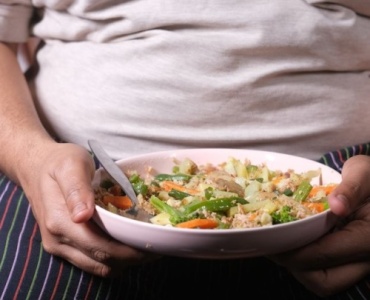
Nutrition and activity are the cornerstones of fatty liver disease management. The goal is to reduce liver fat, calm inflammation, and improve insulin sensitivity—changes that also cut cardiovascular risk.
Weight Loss Targets
- 5% body weight loss often reduces liver fat.
- 7–10% loss can improve steatohepatitis and fibrosis in many patients.
- Even if weight doesn’t change, improved diet quality and exercise still benefit the liver.
Evidence-Based Eating Patterns
- Mediterranean-style diet (vegetables, fruits, legumes, nuts, whole grains, olive oil, fish) improves steatosis and cardiometabolic health.
- Lower-carb or low-glycemic approaches can reduce liver fat by curbing de novo lipogenesis.
- Calorie deficit tailored to the individual remains key regardless of diet “brand.”
Practical tips for a sustainable fatty liver disease diet:
- Limit sugar-sweetened beverages and refined carbs; watch added fructose.
- Favor unsaturated fats (olive oil, nuts, seeds, fatty fish); reduce saturated and trans fats.
- Increase fiber from vegetables, legumes, and whole grains to support satiety and gut health.
- Consider coffee (without excess sugar or creamers); regular intake is linked to lower fibrosis risk.
- Moderate portions, mindful eating, and consistent meal timing help adherence.
Physical Activity
- Aerobic exercise (e.g., brisk walking, cycling) 150–300 minutes per week improves liver fat independent of weight loss.
- Resistance training 2–3 sessions weekly enhances insulin sensitivity and complements aerobic activity.
- High-intensity intervals are effective for some, but any safe, enjoyable activity you’ll sustain is best.
Sleep, Stress, and Daily Routine
- Address sleep apnea, which worsens fatty liver disease and cardiometabolic risk.
- Prioritize 7–9 hours of consistent, quality sleep.
- Use stress-reduction tools (mindfulness, CBT, social support), as chronic stress can undermine behavior change.
Fatty Liver Disease Treatment
While lifestyle remains first-line fatty liver disease treatment, medications and procedures may be appropriate for select patients, especially when steatohepatitis and fibrosis are present.
Medications
- Resmetirom (a thyroid hormone receptor-β agonist) was approved in 2024 for certain adults with metabolic steatohepatitis and fibrosis (MASH with F2–F3). It can reduce liver fat and improve fibrosis measures; monitoring for side effects and drug interactions is required.
- Pioglitazone may benefit biopsy-proven steatohepatitis, particularly in people with type 2 diabetes, though weight gain and other effects must be considered.
- Vitamin E (in non-diabetic adults with biopsy-proven steatohepatitis) can improve histology; long-term risks and benefits should be discussed.
- GLP-1 receptor agonists (e.g., semaglutide) and dual incretin agents (e.g., tirzepatide) promote weight loss and improve liver fat and inflammation markers, with emerging outcomes data.
- SGLT2 inhibitors show promise in people with diabetes by improving metabolic parameters and reducing liver fat.
Therapies should be individualized. For many, optimizing diabetes, lipids, and blood pressure with agents that also aid liver health is a practical, high-impact strategy alongside nutrition and exercise.
Bariatric and Metabolic Surgery
For individuals with severe obesity who have not achieved adequate results with lifestyle and medications, bariatric surgery can substantially improve or resolve steatosis, steatohepatitis, and even fibrosis in some cases, while lowering long-term cardiometabolic risk.
Comorbidity and Cardiovascular Risk Management
- Statins are safe in most patients with fatty liver disease and reduce cardiovascular events.
- Control blood pressure, glucose, and triglycerides; stop smoking; consider low-dose aspirin if indicated.
- Vaccinate against hepatitis A and B when appropriate.
Fatty Liver Disease Management: A Practical Plan
Effective fatty liver disease management blends lifestyle, medical therapy when indicated, and regular monitoring. Use this stepwise approach:
Step 1: Establish Baseline
- Document weight, waist circumference, blood pressure, glucose/HbA1c, and lipids.
- Obtain liver enzymes, platelets, and noninvasive fibrosis assessment (FIB-4, elastography).
- Review alcohol intake and medications; screen for sleep apnea.
Step 2: Personalize Lifestyle Changes
- Set a realistic weight-loss goal (7–10% over 6–12 months for many).
- Adopt a Mediterranean-leaning eating pattern with fewer refined carbs and sugary drinks.
- Schedule 150–300 minutes/week of aerobic activity plus 2–3 resistance sessions.
Step 3: Optimize Medical Therapy
- Use diabetes, lipid, and blood-pressure medications that support liver and heart health.
- Consider pharmacotherapy for steatohepatitis and fibrosis when criteria are met.
Step 4: Monitor and Adjust
- Recheck labs and weight every 3–6 months; reassess fibrosis risk annually or as advised.
- Escalate treatment or refer to a hepatology specialist if fibrosis progresses or goals aren’t met.
Consistency and follow-up transform short-term gains into long-term protection for people with fatty liver disease.
Complications and Prognosis
The leading cause of death in fatty liver disease is cardiovascular disease, followed by certain cancers and liver-related outcomes. Extrahepatic complications include chronic kidney disease and increased risk of atrial fibrillation and sleep apnea. Progression to cirrhosis raises risks of portal hypertension, ascites, variceal bleeding, hepatic encephalopathy, and HCC. Early identification and comprehensive risk reduction markedly improve outcomes.
Frequently Asked Questions
Is nonalcoholic fatty liver disease reversible?
Yes—especially in early stages. Weight loss, improved diet quality, and regular exercise can reduce liver fat and inflammation. Many people see measurable improvement within months, making prompt action worthwhile for all forms of fatty liver disease.
What are the most reliable fatty liver disease symptoms?
Most people have no specific symptoms. Fatigue and vague right-upper-quadrant discomfort are common but non-specific. Because symptoms are unreliable, screening those with metabolic risk is key to catching fatty liver disease early.
Do I need to stop drinking alcohol completely?
For alcohol-related disease, yes. For nonalcoholic disease, minimizing or avoiding alcohol is prudent, particularly with steatohepatitis or fibrosis. Discuss your individual risk with a clinician who knows your full health picture.
How often should I check on my liver?
Most people benefit from labs every 3–6 months during active lifestyle change or treatment, and annual reassessment of fibrosis risk with noninvasive tools. Those with advanced fibrosis or cirrhosis need specialist care and more frequent monitoring.
Key Takeaways
- Fatty liver disease is common, often silent, and closely tied to metabolic health and alcohol exposure.
- Early action—weight loss, diet quality, and physical activity—can reverse liver fat and calm inflammation.
- Use structured fatty liver disease management: assess risk, personalize lifestyle, optimize medications, and monitor.
- New therapies, including resmetirom and incretin-based treatments, expand options for people with steatohepatitis and fibrosis.
- Work with your healthcare team to craft a sustainable plan that protects both your liver and heart.
This article provides general information and is not a substitute for professional medical advice. If you suspect fatty liver disease, consult a qualified clinician for diagnosis and individualized care.
Putting It All Together
From prevention to treatment, the path forward is clear: identify risks early, choose a nutrient-dense eating pattern, move more, manage weight gradually, and address comorbidities with evidence-based therapies. Whether yours is nonalcoholic fatty liver disease or alcohol-related, steady, realistic steps deliver meaningful improvements. With a coordinated plan and ongoing support, most people can stabilize or improve fatty liver disease and reduce the risk of serious complications.