Introduction: Why Energy Balance Matters
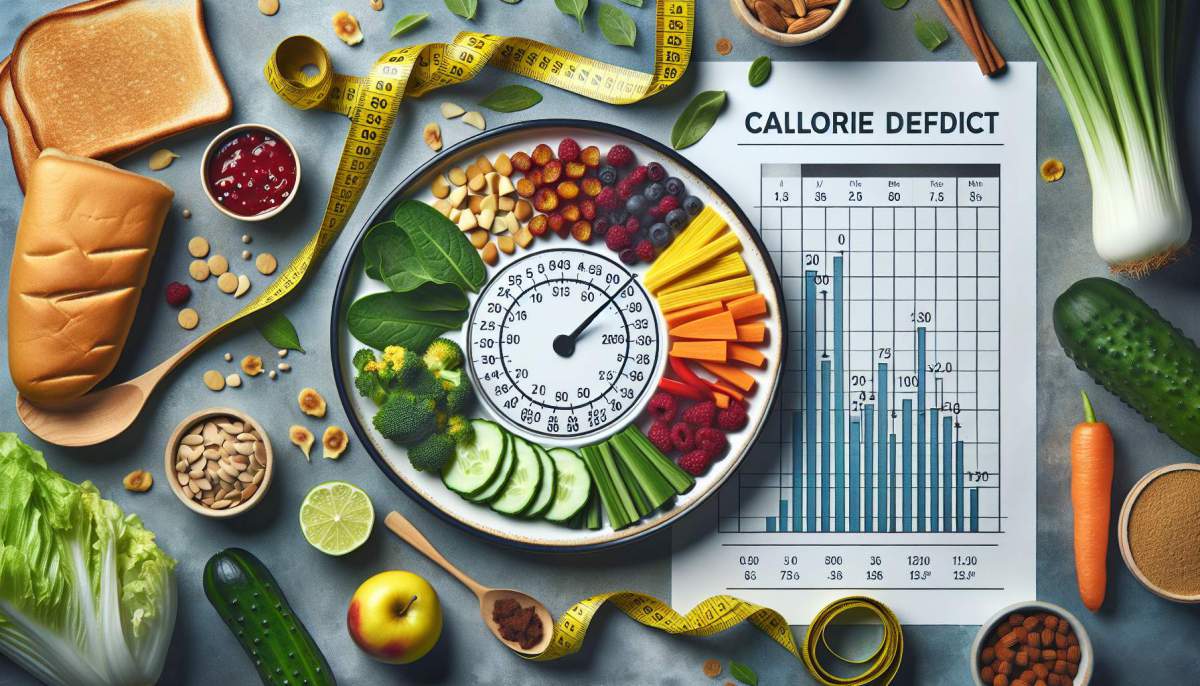
Effective weight loss starts with a simple truth about energy. Your body uses energy every minute to power your brain, keep your heart beating, move your muscles, and handle thousands of cellular tasks. When you consistently eat a bit less energy than you burn, you create a calorie deficit. That calorie deficit nudges your body to tap into stored energy, primarily body fat, to make up the difference. In this guide, you will learn the science, the numbers, and the habits that make this approach safe, sustainable, and successful.
Rather than chasing fads or confusing hacks, you will see how nutrition, movement, sleep, and stress fit together under one principle: a calorie deficit is the engine of fat loss. The art is applying it in a way that protects muscle, keeps you full, and fits your life for long enough to reach your goal and maintain it.
What Is a Calorie Deficit?
A calorie is a unit of energy. Every bite of food provides calories, and your body spends calories to stay alive and move. A calorie deficit means you are eating fewer calories than your body uses over time. If you do this consistently and intelligently, the result is gradual, sustainable fat loss.
Think of your body like a budget. If your spending is higher than your income, you dip into savings. Likewise, with a calorie deficit, your body will draw from energy stores. The goal is to set a small, steady shortfall that encourages fat loss while preserving muscle and keeping you functional and satisfied from day to day.
How Weight Loss Works: From Calories to Body Composition
Weight change is governed by energy balance. Eat more than you expend and you gain; eat less and you lose. But the quality of weight change depends on your choices. With adequate protein, resistance training, and smart recovery, most of the weight lost in a calorie deficit can be body fat rather than muscle. That means you not only get lighter, you improve body composition, which supports metabolic health and better performance.
Beyond the scale, pay attention to measurements, progress photos, strength, and how clothes fit. When you combine a reasonable calorie deficit with a protein-forward diet and training, you can look more defined even before the scale shows dramatic changes.
Calculating Your Numbers: BMR, TDEE, and an Appropriate Calorie Deficit
To put strategy behind your plan, estimate how much energy you burn daily. Two concepts help: your basal metabolic rate and your total daily energy expenditure. Then you can choose a sustainable gap between intake and expenditure.
Step 1: Estimate BMR and TDEE
Your basal metabolic rate is the energy your body uses at rest to run basic functions. Your total daily energy expenditure includes BMR plus all movement, from step count to structured workouts. Online calculators can provide ballpark estimates using age, sex, height, weight, and activity level. While these are estimates, they are accurate enough to start. You can adjust based on real progress data over a few weeks.
Step 2: Set the Size of the Gap
For most healthy adults, a daily shortfall of about 10 to 20 percent is a smart starting point. A more aggressive approach can feel tempting, but too large a cut can spike hunger, drain energy, reduce training quality, and make adherence difficult. A modest calorie deficit tends to be easier to sustain, which usually leads to better results over months. As a rough guide, many see practical progress with 300 to 600 fewer calories than maintenance, adjusted to body size and activity.
Example: If your maintenance is 2,400 calories, eating 2,000 to 2,150 creates a workable calorie deficit. Track your trend over two to four weeks, then nudge intake or activity if needed. The key is consistency and patience rather than extreme restriction.
Step 3: Macros That Support the Goal
Protein is your ally. Aim for roughly 1.6 to 2.2 grams per kilogram of body weight, or about 0.7 to 1.0 grams per pound. This range helps preserve muscle and improves satiety in a calorie deficit. Split protein across meals to maximize fullness and support recovery from training.
Carbohydrates fuel training and everyday movement. Fats support hormones and nutrient absorption. There is flexibility in how you split carbs and fats, as long as you meet a minimum fat intake of around 0.6 grams per kilogram and preserve training performance. Choose a macro split you enjoy, since adherence is the foundation of success in a calorie deficit.
Designing Meals That Keep You Full in a Calorie Deficit
Hunger management is not a luxury; it is the reason you can stick with the plan. Build meals with high satiety per calorie. That means high protein, high fiber, and high volume from water-rich foods. This combination slows digestion and improves fullness, making a calorie deficit feel easier day to day.
Build High-Satiety Plates
- Protein anchors the meal. Lean meats, fish, eggs, Greek yogurt, cottage cheese, tofu, tempeh, and legumes help you stay full and protect muscle in a calorie deficit.
- Fill half your plate with produce. Leafy greens, cruciferous vegetables, tomatoes, peppers, cucumbers, berries, melon, and citrus are low in calories and high in volume.
- Choose smart carbs. Oats, potatoes, beans, lentils, and whole grains add fiber and steady energy. Pair them with protein in a calorie deficit to blunt hunger.
- Use fats with intention. Nuts, seeds, avocado, olive oil, and fatty fish are nutrient dense, so measure servings. A small amount adds satisfaction without overwhelming calories.
Smart Snacking and Timing
Structure snacks like mini meals instead of grazing. Combine protein with fiber or fruit to stay satisfied. Time your larger meals around demanding workouts so you can train hard even while maintaining a calorie deficit. Many find that three meals and one snack or two meals and two snacks work well; test patterns and stick with what keeps you energized and consistent.
Activity, Exercise, and the Calorie Deficit
Training does not replace nutrition, but it multiplies results. Movement increases energy expenditure, improves health markers, and shapes body composition so that fat loss reveals strength. It also allows a slightly higher intake while maintaining a calorie deficit, which can make adherence easier.
Strength Training Preserves Muscle
Lifting weights three to four times per week is a powerful lever. Focus on big movements like squats, hinges, presses, rows, and carries. Progressive overload, adequate protein, and sleep help maintain or even increase strength in a calorie deficit. Preserving muscle supports a higher metabolic rate and a better look as weight comes off.
Cardio and Conditioning
Cardio supports heart health and adds to daily energy burn. Mix low intensity steady state with moderate intervals as needed. Keep sessions efficient and complementary to lifting. The combination of resistance work and cardio helps you sustain a calorie deficit without feeling sluggish, all while improving fitness and recovery capacity.
Tracking, Measuring, and Staying Accurate
To manage what you measure, track intake for a few weeks. Use a food log or app, weigh common foods, and learn portion sizes. This is not about perfection; it is about awareness. Small inaccuracies accumulate and can erase a modest calorie deficit without you noticing.
- Weigh or measure key items. Cereal, oils, nuts, dressings, and spreads are easy to overpour. Being precise with these preserves your calorie deficit.
- Log with honesty. Include condiments, beverages, and snacks. If you nibble, note it. The more accurate your picture, the better your results.
- Use weekly averages. Weight fluctuates daily due to water and glycogen. Look at trends over weeks rather than a single day.
When eating out, preview menus, order lean protein with vegetables, and request sauces on the side. If your goal is a calorie deficit, choose baked, grilled, steamed, or roasted items, and box part of the entree for later. You can enjoy meals out while staying aligned with your plan.
Managing Hunger, Cravings, and Lifestyle Factors
Hunger is normal when eating less, but it should be manageable. Build habits that reduce friction. Hydrate well, eat on a reliable schedule, and stack your environment in favor of success. Remember that a realistic calorie deficit should not make you miserable all day.
- Hydration first. Aim for water throughout the day. Thirst can masquerade as hunger, so drink before meals to support your calorie deficit.
- Protein front-load. A high protein breakfast and lunch reduce afternoon cravings.
- Fiber and volume. Salads, soups, and veggies add fullness for minimal calories.
- Sleep and stress. Poor sleep and high stress increase appetite and reduce willpower. Guard your bedtime and build stress outlets.
Plateaus, Metabolic Adaptation, and How to Adjust a Calorie Deficit
As you lose weight, your body becomes more efficient. You weigh less, so movement costs fewer calories, and spontaneous activity can drop. This is normal and sometimes slows progress. If your weight trend stalls for three or four weeks, you can adjust intake, increase activity, or both to reestablish a modest calorie deficit.
Diet Breaks, Refeeds, and Reverse Dieting
Planned pauses help adherence. A week or two at maintenance can reduce fatigue and improve training before you return to a calorie deficit. Short refeed days with more carbs can also boost morale when used strategically. Once you reach your goal, reverse dieting by slowly adding calories helps you settle at a sustainable intake while maintaining results.
Do Different Diets Work Without a Calorie Deficit?
Many eating styles can work, from low carb to low fat, keto to Mediterranean, plant forward to high protein. The common denominator is that they help you eat fewer calories than you expend. Any dietary pattern that allows a consistent calorie deficit will produce fat loss if you can adhere to it. Choose the approach that fits your preferences, culture, and lifestyle.
- Low carb or keto. Reduces appetite for some and can stabilize energy, which may make a calorie gap easier to maintain.
- Low fat. Simple to log and often lower in calories, especially when paired with high fiber foods.
- Intermittent fasting. Limits eating windows, which can reduce mindless snacking and help some maintain a shortfall.
- Mediterranean style. Emphasizes whole foods, plants, fish, and olive oil with strong health benefits and good satiety.
- Balanced macro approach. Prioritizes protein and fiber while keeping enjoyable carbs and fats.
There is no magic. The plan you can follow is the plan that works, as long as it supports a calorie deficit and adequate nutrition.
Common Myths About the Calorie Deficit
- Myth: It is all about eating as little as possible. Reality: An overly aggressive cut backfires. A moderate calorie deficit with good nutrition outperforms crash dieting every time.
- Myth: Starvation mode stops fat loss entirely. Reality: Metabolic adaptation reduces energy expenditure, but physics still applies. If a true calorie deficit exists, fat loss continues. Adjust intake or activity as needed.
- Myth: Clean eating guarantees weight loss. Reality: Food quality matters for health and satiety, but energy still counts. You can overeat healthy foods. Pair quality with quantity control.
- Myth: Carbs or fats are the enemy. Reality: Neither is inherently fattening. Total intake relative to expenditure is the key. Choose macros that support performance and fullness.
Who Should Be Cautious With a Calorie Deficit
Some situations call for professional guidance. If you are pregnant, nursing, under 18, underweight, dealing with a history of disordered eating, or managing significant medical conditions, consult a qualified clinician or registered dietitian before starting a calorie deficit. For athletes with high training loads, work with a sports dietitian to avoid low energy availability. Health first, always.
Sample One-Day Plan That Creates a Calorie Deficit
This is a flexible example for a moderately active adult. Adjust portions to your numbers. The focus is high-protein, high-fiber meals that make a calorie deficit comfortable while supporting performance.
- Breakfast Greek yogurt parfait with berries, chia, and a small portion of granola; side of eggs or tofu scramble; coffee or tea.
- Lunch Grilled chicken or tempeh salad with mixed greens, cherry tomatoes, cucumbers, peppers, beans, and a measured olive oil vinaigrette; whole grain roll.
- Snack Cottage cheese with pineapple, or hummus with carrots and bell peppers.
- Dinner Baked salmon or lentil loaf with roasted potatoes, broccoli, and a big side salad.
- Optional dessert Dark chocolate square or a baked apple with cinnamon.
Training day tweak: Place more carbs around your workout to maintain intensity while staying within your target. Rest day tweak: Emphasize extra vegetables and slightly reduce starches if appetite is lower, keeping your weekly calorie deficit on track.
Frequently Asked Questions
How fast should I lose weight A common guideline is about 0.5 to 1 percent of body weight per week. Larger individuals can go faster at the start, while leaner individuals benefit from a smaller calorie deficit to protect muscle.
Do I need to count calories forever No. Tracking is a learning tool. Once you understand portions and patterns, you can maintain results with habits that naturally sustain a small calorie deficit when needed and maintenance when you are done.
What if I feel hungry all the time First increase protein and fiber, add water, and tighten sleep. If that fails, slightly raise calories or shift more calories to the hungriest time of day while preserving a weekly calorie deficit.
Will eating late at night stop fat loss Timing matters less than total intake. Late eating can lead to extra snacking. If evenings are tough, pre-plan a satisfying, protein-rich option that fits your calorie deficit.
Conclusion: Make Your Calorie Deficit Sustainable
Weight loss is not a race; it is a skill. Master the basics, then repeat them consistently. Set a realistic calorie deficit, anchor your meals with protein and fiber, train with intent, manage sleep and stress, and measure progress with patience. When the process fits your life, you do not need perfect days to succeed. You only need enough good days in a row to let the math and your habits work in your favor.