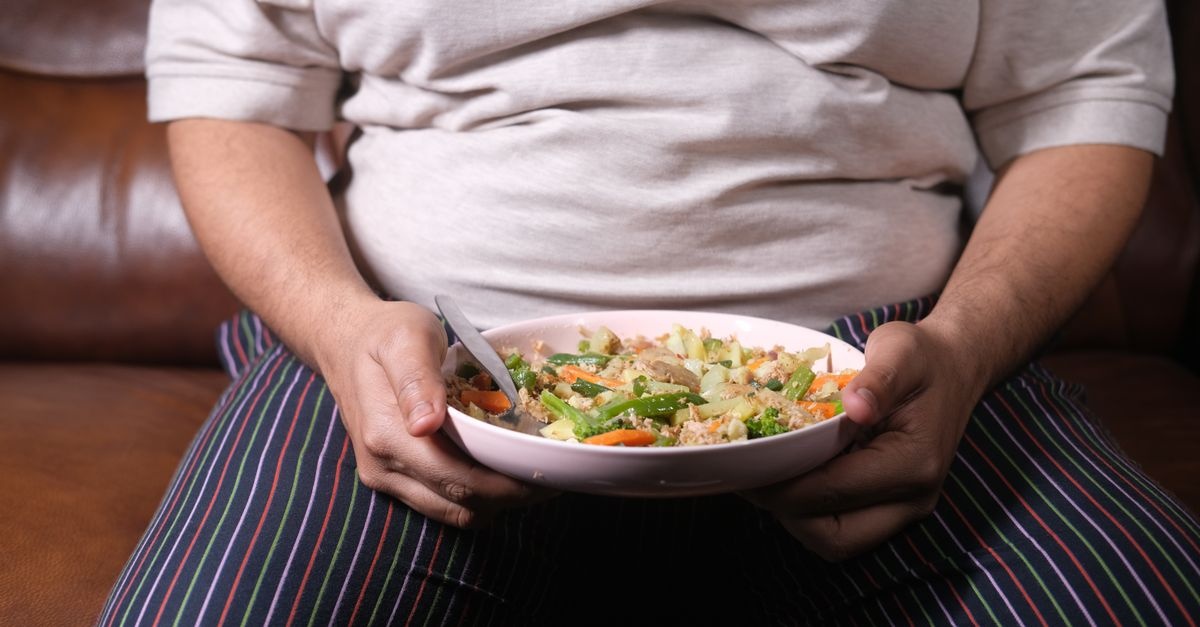
Fatty liver is one of the most common liver conditions worldwide, affecting an estimated one in three adults. It happens when too much fat accumulates in liver cells, gradually straining the organ that filters toxins, regulates energy, and supports metabolism. While fatty liver disease can be silent for years, it is not benign: without attention, it can lead to inflammation, scarring, cirrhosis, and higher risks for heart disease and diabetes. The good news is that, for most people, fatty liver is highly reversible with targeted changes to diet, activity, and weight—and, when appropriate, medications. This comprehensive guide explains the causes of fatty liver, the common and subtle symptoms of fatty liver, and the evidence-backed strategies for fatty liver treatment, from a sustainable fatty liver diet to smart fatty liver lifestyle changes.
What Is Fatty Liver?
Fatty liver means more than 5% of liver cells are filled with fat when measured by imaging or biopsy. There are two major categories:
- Non-alcoholic fatty liver (often called NAFLD, recently renamed MASLD) — fat builds up in the liver in people who drink little or no alcohol, typically driven by metabolic factors like insulin resistance and excess weight. This is the most common form of fatty liver disease.
- Alcohol-associated fatty liver — fat accumulates due to regular heavy alcohol intake; it may improve with abstinence but can progress if drinking continues.
Within these categories, fatty liver ranges from simple steatosis (fat only) to steatohepatitis (fat plus inflammation—called NASH or MASH), which can lead to fibrosis, cirrhosis, and liver cancer over time. Regardless of the label, the core issue is the same: excess fat stresses liver cells and disrupts metabolic health. Understanding where you are on this spectrum helps tailor fatty liver treatment and prevention.
Causes of Fatty Liver
The causes of fatty liver are multifactorial. Most people develop fatty liver because of a mismatch between how much energy they consume and how much they burn, combined with genetic and hormonal influences that direct fat into the liver.
Metabolic Drivers
- Insulin resistance: When cells don’t respond well to insulin, more fat is produced in the liver and fewer fats are burned. This is a central driver of non-alcoholic fatty liver.
- Excess weight—especially visceral fat: Belly fat drains into the portal vein, delivering fatty acids directly to the liver and promoting fatty liver.
- Type 2 diabetes and prediabetes: High blood sugar and high insulin worsen liver fat accumulation.
- High triglycerides and low HDL: Dyslipidemia both reflects and fuels liver fat production.
Dietary Patterns
- Excess calories, especially refined carbohydrates and sugary drinks (fructose), directly increase liver fat (de novo lipogenesis).
- Low fiber and low nutrient density diets reduce satiety and impair metabolic health, worsening fatty liver.
- High alcohol intake is a separate but potent cause of liver fat and inflammation.
Other Contributors
- Genetics: Variants like PNPLA3 and TM6SF2 increase susceptibility to fatty liver disease even at lower body weight.
- Medications: Certain drugs (e.g., amiodarone, tamoxifen, some steroids) can cause or worsen fatty liver.
- Hormonal conditions: PCOS, hypothyroidism, and menopause-related changes may promote liver fat.
- Sleep apnea: Intermittent hypoxia increases oxidative stress and liver fat.
- Gut-liver axis: Dysbiosis and increased intestinal permeability can fuel inflammation linked to fatty liver.
Symptoms of Fatty Liver
Most people have fatty liver with no obvious symptoms. When present, symptoms of fatty liver are often subtle:
- Mild fatigue or low energy
- Dull discomfort in the right upper abdomen
- Unexplained weight gain around the midsection
More advanced disease can cause signs of liver dysfunction (easy bruising, swelling in legs, jaundice), but these are late. Because fatty liver disease is frequently silent, routine screening in at-risk people is important.
When to See a Clinician
- If you have risk factors (overweight, type 2 diabetes, high triglycerides, PCOS) ask about screening for fatty liver.
- If blood tests show elevated ALT/AST, further evaluation for fatty liver disease is warranted.
- If you notice signs of advanced liver disease (jaundice, abdominal swelling, confusion), seek urgent care.
How Fatty Liver Is Diagnosed
Diagnosing fatty liver involves assessing liver fat, ruling out other causes, and estimating the amount of scarring (fibrosis):
- Blood tests: Liver enzymes (ALT, AST), fasting glucose, A1c, lipids. Enzymes can be normal even with significant fatty liver.
- Imaging: Ultrasound can detect moderate-to-severe fat; FibroScan (transient elastography) estimates stiffness (fibrosis) and controlled attenuation parameter (CAP) for fat; MRI-PDFF quantifies liver fat precisely.
- Noninvasive scores: FIB-4 and NAFLD Fibrosis Score combine age, enzymes, and platelets to estimate fibrosis risk in fatty liver disease.
- Liver biopsy: Reserved for uncertain cases or to confirm steatohepatitis and stage fibrosis when results change management.
Stages and Complications of Fatty Liver
Simple Steatosis vs. Steatohepatitis
Simple fatty liver (steatosis) involves fat only and carries lower short-term risk. Steatohepatitis (NASH/MASH) adds inflammation and cell injury, raising the risk of scarring and long-term complications. Lifestyle and medical therapies aim to move people from steatohepatitis back to simple fatty liver or, ideally, a normal liver.
Fibrosis and Cirrhosis
With ongoing injury, scar tissue forms. Fibrosis stages (F0–F4) predict outcomes; F3–F4 (advanced fibrosis/cirrhosis) confer higher risks of liver failure and liver cancer. Even at earlier stages, fatty liver disease increases cardiovascular risk, the most common cause of death in these patients.
Other Risks
- Cardiovascular disease: Heart attack and stroke risk rises with fatty liver, independent of traditional risk factors.
- Type 2 diabetes: Fatty liver both predicts and worsens insulin resistance.
- Kidney disease: Chronic kidney disease risk is higher in fatty liver disease.
Effective Management: A Comprehensive Fatty Liver Treatment Plan
The cornerstone of fatty liver treatment is addressing the metabolic roots: reduce liver fat, calm inflammation, improve insulin sensitivity, and prevent scarring. Most people can significantly improve or even reverse fatty liver with a structured plan.
Targeted Weight Loss
- Losing 5–7% of body weight reduces liver fat and improves enzymes in non-alcoholic fatty liver.
- Losing 7–10% of body weight can resolve steatohepatitis in many people.
- Losing 10% or more may regress fibrosis. This is a powerful lever for fatty liver and weight loss goals.
Even without weight loss, improving cardiorespiratory fitness and insulin sensitivity can reduce liver fat. Still, a combined strategy that includes weight reduction yields the strongest results in fatty liver.
Fatty Liver Diet: What to Eat
A fatty liver diet emphasizes whole, minimally processed foods that control calories, reduce fructose and refined starches, and support a healthy gut-liver axis. Practical principles:
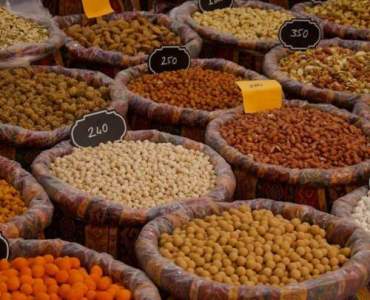
- Mediterranean-style pattern: Vegetables, fruits, legumes, whole grains (as tolerated), nuts, olive oil, herbs, and fish. This approach improves insulin sensitivity and liver fat.
- Protein-forward meals: 1.2–1.6 g/kg/day supports satiety and weight loss in fatty liver without losing muscle. Include fish, poultry, eggs, Greek yogurt, tofu, or legumes.
- Cut sugary drinks and fruit juices: Reduces fructose-driven liver fat production in fatty liver disease.
- Choose low-glycemic carbs: Oats, quinoa, beans, berries; limit white bread, pastries, and ultra-processed snacks that worsen fatty liver.
- Healthy fats: Olive oil, nuts, seeds, and omega-3 rich fish (salmon, sardines) help triglycerides and liver fat.
- Fiber to 25–40 g/day: Feeds a healthy microbiome and improves satiety—key for fatty liver.
- Coffee (2–3 cups/day): Associated with lower fibrosis risk in fatty liver disease (avoid excess sugars/creamers).
- Limit alcohol: Even modest intake can aggravate fatty liver in some individuals; discuss your situation with a clinician.
Sample Day on a Fatty Liver Diet
- Breakfast: Vegetable omelet with olive oil, side of berries, black coffee.
- Lunch: Lentil and quinoa salad with arugula, cherry tomatoes, cucumbers, feta, and lemon-tahini dressing.
- Snack: Greek yogurt with walnuts and cinnamon.
- Dinner: Grilled salmon, roasted Brussels sprouts, small baked sweet potato; sparkling water with lime.
Exercise for Fatty Liver
Exercise reduces liver fat independent of weight loss. For optimal fatty liver treatment:
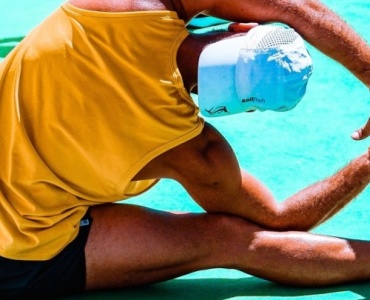
- 150–300 minutes/week of moderate aerobic activity (brisk walking, cycling) or 75–150 minutes of vigorous activity.
- 2–3 resistance sessions weekly to preserve muscle and insulin sensitivity—key for fatty liver.
- Daily movement: Reduce prolonged sitting; short walks after meals blunt post-meal glucose surges.
Sleep, Stress, and Habits
- Sleep 7–9 hours: Poor sleep and sleep apnea worsen fatty liver; consider screening and treatment if snoring/daytime sleepiness are present.
- Manage stress with mindfulness, breathing, or yoga to reduce cortisol-driven cravings that undermine a fatty liver diet.
- Stop smoking: Smoking magnifies cardiovascular risk in fatty liver disease.
- Vaccinations: Hepatitis A and B vaccines protect a vulnerable liver with fatty liver.
Medications and Clinical Therapies
While lifestyle is foundational, some people benefit from medications as part of a comprehensive plan for fatty liver:
- Weight-loss medications (e.g., GLP-1 receptor agonists like semaglutide; dual agonists like tirzepatide) drive meaningful weight loss and reduce liver fat in non-alcoholic fatty liver.
- Insulin sensitizers (pioglitazone) may benefit select patients with biopsy-proven steatohepatitis, especially in type 2 diabetes, as part of fatty liver treatment.
- Vitamin E (800 IU/day) can improve biopsy-proven NASH in non-diabetics; discuss risks and benefits.
- Lipid-lowering therapy (statins) is safe for most people with fatty liver disease and reduces cardiovascular risk.
- Emerging therapies: New agents such as thyroid hormone receptor-beta agonists (e.g., resmetirom) have shown benefit in reducing liver fat and improving fibrosis in selected patients with steatohepatitis; availability and indications continue to evolve.
- Surgery: Bariatric surgery can resolve fatty liver and steatohepatitis in many with severe obesity when lifestyle changes alone are insufficient.
Fatty Liver Natural Remedies: What Helps, What Doesn’t
People often ask about fatty liver natural remedies. Some have supportive evidence; others do not:
- Coffee: Consistently associated with lower fibrosis risk in fatty liver disease.
- Omega‑3 fatty acids: Helpful for high triglycerides; may modestly reduce liver fat but are not a stand-alone cure for fatty liver.
- Curcumin/turmeric: Small trials suggest enzyme improvements; quality varies; use as a spice or standardized supplement with medical guidance.
- Probiotics: Early data suggest potential benefit via the gut-liver axis; results are mixed.
- Milk thistle (silymarin): Evidence is inconsistent; if used, choose reputable products and coordinate with your clinician.
Be cautious with “detox” products; some supplements can harm the liver. The most reliable “natural” therapies for fatty liver remain a high-quality fatty liver diet, exercise, sleep, and weight loss.
Fatty Liver and Weight Loss: Practical Strategy
Achieving and maintaining weight loss is the single most effective lever for fatty liver. To align fatty liver and weight loss goals:
- Set a 10% target over 6–12 months for meaningful improvements in fatty liver.
- Create a 300–500 kcal/day deficit with food choices that prioritize protein and fiber.
- Track weight and waist circumference; a shrinking waist often mirrors improving fatty liver disease.
- Plan meals and carry protein-rich snacks to support your fatty liver diet.
- Build an activity habit you enjoy; consistency beats intensity for fatty liver improvement.
- Consider professional support: dietitian, behavior therapy, or medical weight management when needed.
Monitoring Progress
Track both how you feel and objective markers to gauge fatty liver improvement:
- Body weight and waist: Losing 5–10% is a strong sign your fatty liver is improving.
- Bloodwork: ALT/AST, fasting glucose, A1c, triglycerides, HDL—these typically improve as fatty liver disease regresses.
- Noninvasive tests: Periodic FibroScan or MRI-PDFF can quantify changes in liver fat and fibrosis.
Fatty Liver Prognosis
Fatty liver prognosis depends on fibrosis stage, metabolic control, and adherence to lifestyle changes. Many people with simple fatty liver can normalize their liver over months with sustained weight loss and a high-quality fatty liver diet. Those with steatohepatitis and fibrosis require closer follow-up, but even then, improvements are common with dedicated fatty liver treatment. Your long-term outlook improves dramatically when you also control blood pressure, cholesterol, and blood sugar, and stop smoking.
Frequently Asked Questions About Fatty Liver
Can fatty liver be reversed?
Yes. Most people can reverse fatty liver within 3–12 months by losing 7–10% of body weight, improving diet quality, and exercising regularly. Fibrosis can also regress, though it takes longer and consistency is key.
What are the best foods for a fatty liver diet?
Vegetables, legumes, berries, whole grains (as tolerated), lean proteins, fish, nuts, seeds, and olive oil. Limit sugary drinks, refined grains, and ultra-processed snack foods to reduce drivers of fatty liver.
Do I have to stop alcohol entirely?
People with alcohol-associated fatty liver should abstain. In non-alcoholic fatty liver, some may tolerate small amounts, but even modest alcohol can worsen disease in certain individuals. Discuss your personal risk with a clinician.
Are there supplements that cure fatty liver?
No supplement cures fatty liver. Some, like omega‑3s and coffee, can help, but they work best alongside a fatty liver diet, exercise, and weight loss.
How fast will my labs improve?
ALT/AST may improve within weeks of starting a comprehensive fatty liver treatment plan, with continued gains over months as liver fat decreases.
Practical 7-Step Fatty Liver Lifestyle Changes
- 1) Prioritize protein and fiber at every meal to support weight loss in fatty liver.
- 2) Eliminate sugary drinks to cut a direct driver of liver fat production.
- 3) Move daily: Aim for 8–10k steps plus resistance training to target fatty liver.
- 4) Sleep 7–9 hours and address sleep apnea if present.
- 5) Limit alcohol and avoid unnecessary hepatotoxic supplements.
- 6) Monitor progress with waist, weight, and labs to keep your fatty liver plan on track.
- 7) Get support: A coach or community boosts adherence to fatty liver lifestyle changes.
Putting It All Together
Fatty liver is common, often quiet, and powerfully influenced by daily choices. If you have risk factors or abnormal labs, ask about screening for fatty liver disease. Then build a plan that combines a realistic fatty liver diet, regular activity, better sleep, and, when needed, medical therapy. With consistent effort, most people can reduce liver fat, normalize enzymes, and protect long-term liver and heart health. The path to a healthier liver starts with your next meal, your next walk, and your next 1% improvement.