
From immune support to skin vitality and hormone balance, zinc is a quiet workhorse that influences nearly every system in your body. If you’ve ever wondered which nutrients can create outsized changes in how you feel, think, and recover, understanding zinc benefits is a smart place to start. This comprehensive guide explains what zinc is, how it functions, who needs more, and practical steps to get the most from its many advantages—so you can confidently put zinc benefits to work in your daily life.
What Is Zinc?
Zinc is an essential trace mineral—meaning your body cannot produce it and must obtain it from diet or supplements. It’s a cofactor in over 300 enzymes and supports hundreds of proteins involved in gene expression, protein synthesis, antioxidant defense, and cellular repair. Because these processes touch nearly every tissue, the ripple effect of zinc benefits spans immunity, skin integrity, fertility, vision, metabolism, and brain function.
The Most Important Zinc Benefits for Your Health
Below is a high-level snapshot of core zinc benefits before we explore them more deeply:
- Immune resilience: Helps immune cells develop, communicate, and respond to pathogens—a foundation of tangible zinc benefits.
- Skin and wound healing: Supports collagen formation, keratinocyte function, and barrier integrity.
- Hormones and fertility: Affects testosterone synthesis, ovarian function, and reproductive health.
- Metabolic balance: Influences insulin activity, glucose utilization, and appetite regulation.
- Brain and senses: Involved in neurotransmission, learning, memory, and taste and smell.
- Antioxidant and anti-inflammatory support: Stabilizes cell membranes and counters oxidative stress.
- Eye health: Concentrated in the retina and may help maintain visual function.
Immune Strength and Common Colds
How Zinc Primes Your Defenses
Immune cells—from neutrophils and macrophages to T and B lymphocytes—need zinc to proliferate and function. When zinc is low, your body struggles to mount a targeted response, leaving you vulnerable to frequent infections. Among the most sought-after zinc benefits is its role in supporting innate and adaptive immunity, helping the body respond decisively to everyday microbial challenges. This is one reason many people notice fewer sick days after optimizing zinc intake.
Zinc Lozenges and the Common Cold
Research suggests zinc lozenges, taken within 24 hours of symptom onset, may reduce the duration of the common cold in some individuals. While results are mixed and depend on dose and formulation, this is one of the practical zinc benefits you can apply during cold season. Avoid intranasal zinc products due to the risk of smell disturbances. Always follow label dosing and consult a professional if you have chronic conditions or take medications.
Daily Immune Maintenance
Beyond cold care, steady intake supports your “everyday shield.” This baseline protection is among the most dependable zinc benefits, especially relevant for people under stress, older adults, and those with diets low in animal protein.
Skin Health, Acne, and Wound Healing
Barrier Integrity and Collagen Formation
Zinc helps maintain the skin’s structural proteins and lipid barrier while supporting keratinocyte activity and collagen synthesis. Whether you’re dealing with dryness, chafing, or occasional breakouts, these mechanisms explain why so many skincare routines rely on the steady, cumulative zinc benefits delivered by diet and supplements.
Inflammation and Acne
Zinc’s antioxidant and anti-inflammatory roles may help modulate pathways implicated in acne. Some individuals find topical or oral zinc helpful for blemish-prone skin, often as part of a broader regimen that includes gentle cleansing and non-comedogenic moisturizers. Among aesthetic zinc benefits, clearer, calmer skin is both visible and motivating.
Wound Recovery
Because zinc supports cellular proliferation and collagen cross-linking, it plays an important role in wound healing. Correcting low intake often translates to faster recovery from minor cuts and scrapes—another practical example of everyday zinc benefits you can feel.
Hormone Balance and Fertility
Testosterone, Ovarian Function, and Reproductive Health
Zinc is involved in steroid hormone production and reproductive tissue health in all sexes. Inadequate intake can affect testosterone levels, sperm quality, and ovarian function. Many people cite improved vitality and reproductive markers among the more personal zinc benefits, especially when addressing a documented deficiency.
Thyroid and Adrenal Dynamics
By supporting enzyme systems, zinc can influence broader endocrine balance, including thyroid hormone conversion and stress response pathways. While not a cure-all, restoring optimal intake is a foundational step that often precedes other noticeable zinc benefits across energy, mood, and metabolic steadiness.
Metabolic Health and Blood Sugar
Insulin Function and Glucose Control
Zinc supports insulin storage and secretion and participates in signaling cascades that help cells respond to glucose. For those focused on metabolic wellness, this is one of the more strategic zinc benefits—especially when combined with fiber-rich meals, regular exercise, protein at each meal, and adequate sleep.
Appetite and Body Composition
Because zinc influences taste and satiety cues, low levels can skew appetite and food preferences. Repleting intake is a simple lever for restoring appetite balance, a subtle but meaningful addition to the portfolio of zinc benefits supporting healthy body composition.
Brain, Cognition, and Mood
Neurotransmission and Learning
Zinc is concentrated in synaptic vesicles in parts of the brain associated with learning and memory. Adequate intake supports neuronal communication and neuroplasticity, explaining why clearer thinking and steadier focus belong on the long list of zinc benefits. Pair zinc with omega-3 fats, leafy greens, and hydration for a well-rounded cognitive routine.
Mood and Stress Resilience
By supporting antioxidant systems and modulating inflammatory pathways, zinc may help promote a more adaptable stress response. Many people report calmer, more even days—subjective yet meaningful zinc benefits that go hand-in-hand with attention to sleep, daylight exposure, and movement.
Taste, Smell, and Oral Health
Hypogeusia and Anosmia
Zinc is necessary for the function of gustin, a salivary protein involved in taste bud development. Low zinc can contribute to diminished taste (hypogeusia) and smell disturbances. Restoring intake can support these senses—one of the less-discussed but impactful zinc benefits that improves daily enjoyment of food.
Oral Tissues and Fresh Breath
Because of its antimicrobial properties, zinc is used in some mouthwashes and toothpastes to help control plaque and halitosis. This practical hygiene edge rounds out everyday zinc benefits you’ll appreciate at close range.
Vision and Eye Health
Retinal Support
The retina contains high concentrations of zinc, which supports enzymes essential for visual function. For adults focused on healthy aging, maintaining intake is a forward-looking step that aligns with other protective zinc benefits, including antioxidant support.
Synergy with Antioxidants
Zinc often appears alongside vitamin A, vitamin C, vitamin E, copper, and carotenoids in eye-health formulations. This synergy is a reminder that the most reliable zinc benefits emerge within a balanced nutrient pattern rather than in isolation.
Gut Health and Diarrhea Support
Intestinal Barrier and Electrolyte Balance
Zinc supports tight junction integrity in the gut and plays a role in fluid balance. In global health, zinc is used alongside oral rehydration therapy to help manage acute diarrhea in children. For adults, a strong gut barrier is among the behind-the-scenes zinc benefits that can translate to better digestion and regularity.
Microbiome-Friendly Habits
Pairing zinc with fiber, fermented foods, and adequate hydration supports a thriving microbiome. This holistic context is where many subtle zinc benefits gain momentum over weeks and months.
Hair and Nails
Keratin Support and Growth
Zinc influences keratin production and follicle function. If you’re noticing brittle nails or increased shedding, a professional can help assess your status, since correcting a shortfall may be one of the cosmetic zinc benefits you can actually see.
Athletic Performance and Recovery
Protein Synthesis and Repair
Because zinc participates in protein synthesis and antioxidant defense, adequate intake supports training adaptations and recovery. Many athletes discover the day-to-day zinc benefits of better sleep, steadier energy, and more consistent performance when intake is dialed in.
How to Tell If You’re Low: Zinc Deficiency Signs
Common Symptoms and Risk Factors
Deficiency can be subtle at first. Watch for diminished taste or smell, frequent infections, slow wound healing, brittle nails, hair thinning, poor appetite, low mood, and unexplained fatigue. Vegans and vegetarians, individuals with digestive disorders (e.g., IBD, celiac), pregnant and breastfeeding people, those with chronic liver or kidney disease, and older adults are more likely to be low. For these groups, the preventive zinc benefits of meeting daily needs can be especially significant.
Testing and Professional Guidance
Serum zinc tests exist but can be influenced by inflammation and timing. A clinician may combine labs with symptom history and diet analysis. If deficiency is confirmed or strongly suspected, targeted repletion can unlock some of the quickest, most noticeable zinc benefits—but it’s wise to personalize the plan.
Food Sources of Zinc (and How to Boost Absorption)
Top Dietary Sources
- Oysters and shellfish: Among the richest sources.
- Beef, lamb, poultry: Highly bioavailable zinc in animal proteins.
- Dairy and eggs: Moderate sources.
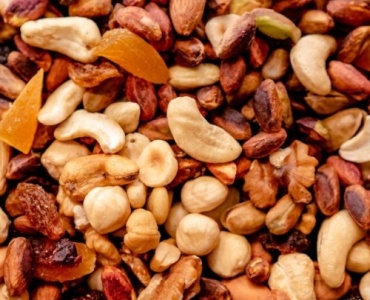
- Legumes, nuts, seeds, whole grains: Good for plant-forward eaters; soak/sprout to reduce phytates.
- Fortified cereals: Useful but check sugar content and overall quality.
Animal-based sources are more bioavailable because plant foods contain phytates that bind zinc. Soaking, sprouting, fermenting, and leavening reduce phytates and improve absorption—a simple kitchen strategy that protects the culinary side of your zinc benefits.
Pairing and Timing
Pair zinc-rich meals with protein and vitamin C–rich produce for overall synergy. Spacing supplements away from high-fiber, phytate-rich meals can also enhance uptake, ensuring you realize the full dietary zinc benefits of your efforts.
Supplementing Wisely: Forms, Dosage, and Timing
Common Forms and Bioavailability
- Zinc picolinate, citrate, gluconate: Generally well-absorbed and gentle for many people.
- Zinc sulfate: Effective but more likely to cause nausea for some.
- Chelated zinc (e.g., bisglycinate): Designed for easier absorption.
The form you tolerate best is the one you’ll actually take. Choosing the right format helps you experience consistent zinc benefits without digestive side effects.
How Much Zinc Do You Need?
General adult recommendations often land around 8–11 mg per day, with increased needs in pregnancy and lactation. Supplements commonly range from 5–30 mg per day, depending on diet and goals. Higher short-term doses may be used for specific reasons under professional guidance. To maximize zinc benefits, start with diet-first strategies and use supplements to fill confirmed gaps.
Timing and Interactions
Some people tolerate zinc best with food; others prefer it on an empty stomach for absorption. Zinc competes with iron and copper for absorption—avoid taking high-dose minerals together. Long-term high-dose zinc can induce copper deficiency, so many formulas include copper for balance. Getting timing and pairing right is a reliable way to protect the long-game zinc benefits you’re after.
Safety, Side Effects, and When to Be Cautious
Common Side Effects
Gastrointestinal upset (nausea, cramps) can occur, especially with zinc sulfate or when taken on an empty stomach. Adjust timing, lower the dose, or switch forms if needed. This small troubleshooting step preserves comfort while maintaining your path to consistent zinc benefits.
Upper Limits and Copper Balance
The tolerable upper intake level for adults is often cited around 40 mg/day from all sources. Long-term intakes above this can reduce copper status and iron parameters. If you’re using high-dose supplements, medical supervision helps ensure you enjoy zinc benefits without unintended trade-offs.
Integrating Zinc into a Healthy Lifestyle
Practical Daily Habits
- Include a zinc-rich protein at 1–2 meals daily (e.g., seafood, lean meats, or sprouted legumes).
- Simplify breakfasts with eggs, yogurt, seeds, or fortified oatmeal.
- Use sprouting or sourdough techniques to reduce phytates in grains and beans.
- Keep well-formulated lozenges on hand for early cold symptoms.
These small, repeatable steps compound into tangible, week-over-week zinc benefits that touch energy, immunity, and skin vitality.
Stacking Nutrients for Synergy
For whole-body resilience, pair zinc with protein, omega-3 fats, colorful produce, magnesium, and adequate hydration. Synergy amplifies the everyday zinc benefits you notice—like steadier focus, stronger workouts, and better sleep quality.
FAQs About Zinc Benefits
Can zinc shorten a cold?
Possibly. Starting zinc lozenges within 24 hours of symptom onset may reduce cold duration for some people, depending on dose and formula. This is one of the classic zinc benefits, but results vary and intranasal products should be avoided.
What’s the best form of zinc?
The “best” form is the one you tolerate and take consistently. Picolinate, citrate, gluconate, and chelated forms are popular choices. Try different options to see which delivers the smoothest experience of everyday zinc benefits.
Do vegans and vegetarians need more?
Plant-based diets can be lower in bioavailable zinc due to phytates. Sprouting, fermenting, and thoughtful supplementation can help plant-forward eaters realize full zinc benefits without compromise.
Putting It All Together
When you zoom out, a clear picture emerges: zinc quietly supports the systems that govern immunity, skin renewal, hormones, metabolism, cognition, and senses. By prioritizing wholesome food sources, addressing absorption, and supplementing strategically, you can unlock the most relevant zinc benefits for your goals.
The takeaway is simple but powerful: aim for steady, sustainable habits—consistent meals, smart cooking methods, and tailored supplementation if needed. With that foundation, the day-to-day zinc benefits add up, leaving you more resilient, energized, and well-equipped for whatever your schedule demands.
This article is for educational purposes and is not medical advice. Consult a qualified healthcare professional before making changes to your supplement routine, especially if you’re pregnant, breastfeeding, managing a medical condition, or taking medications.