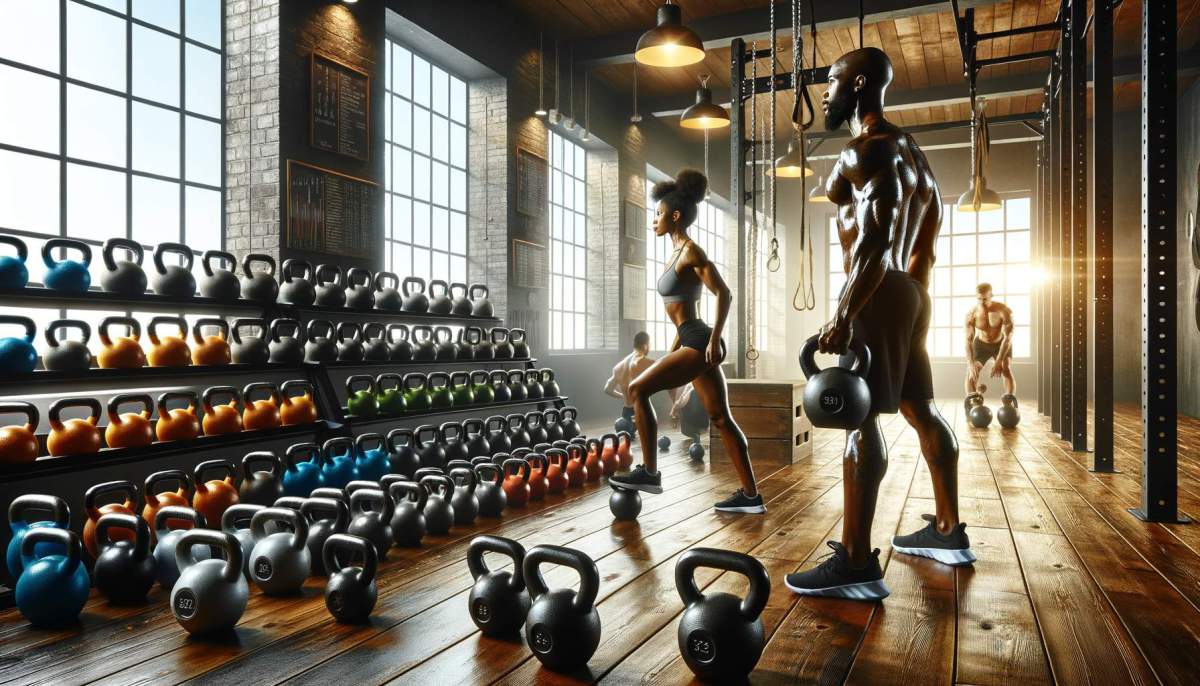
Whether you want to build raw strength, torch fat, or move with athletic grace, kettlebell workouts combine simplicity with serious results. This ultimate guide breaks down the science, technique, and step-by-step programming behind kettlebell workouts so you can train safely, progress consistently, and enjoy challenging routines that fit your lifestyle. By the end, you’ll know exactly how to program kettlebell workouts for beginners, intermediate lifters, and advanced athletes—without guesswork.
Why Kettlebell Workouts Work
At their best, kettlebell workouts fuse strength training, power development, and conditioning into efficient, time-saving sessions. The offset handle of the bell challenges grip, forearms, and shoulder stabilizers, while the swinging and ballistic patterns train your hips and core to generate force quickly and safely. This produces the kind of real-world athleticism that carries over into sport, daily life, and other lifting.
Beyond strength, the metabolic demand is huge. Repeated hip hinges, cleans, and presses create a potent cardiovascular effect, making kettlebell workouts a highly efficient way to burn calories, increase work capacity, and improve posture and mobility simultaneously.
- Posterior chain power: Hips, glutes, and hamstrings do the heavy lifting, protecting your back.
- Core integration: Anti-rotation and anti-extension demands keep your trunk braced and stable.
- Grip & shoulder health: The bell’s center of mass challenges stabilizers, promoting healthy shoulders.
- Time efficiency: Compound moves compress strength, cardio, and mobility into one session.
If you want maximum fitness with minimal equipment, kettlebell workouts are hard to beat.
Getting Started: Equipment, Setup, and Safety for Kettlebell Workouts
Choosing the Right Weight for Your First Kettlebell Workouts
Picking the right bell builds confidence and preserves form. For most people starting kettlebell workouts, the goal is a weight that feels challenging, but not so heavy that you lose posture or control.
- Most beginners: Women often start with 8–12 kg (18–26 lb); men with 12–16 kg (26–35 lb).
- Stronger or athletic beginners: Women 12–16 kg; men 16–20 kg.
- Progression: Once technique is solid for 10–12 reps, size up 2–4 kg.
Buy a bell with a smooth, slightly textured handle. Sharp seams or overly slick coating will sabotage your grip during kettlebell workouts.
Space and Setup: Make Room for Safe Kettlebell Workouts
Clear a radius of at least two arm lengths in all directions, especially behind you for swings. Use a flat, non-slip surface and wear minimal shoes (or go barefoot) to feel the floor. A tidy training area reduces distractions and helps you focus during kettlebell workouts.
Warm-Up That Primes You for Kettlebell Workouts
Start with a 5–8 minute warm-up that rehearses the hips, shoulders, and core you’ll rely on during kettlebell workouts:
- Breathing and bracing (1–2 minutes): Crocodile breathing or 90/90 breathing, then 5–8 hard abdominal bracing pulses.
- Hip mobility (2 minutes): Hip airplanes, hip flexor rocks, and hamstring flossing.
- Shoulders and T-spine (2 minutes): Band pull-aparts, open books, scap push-ups.
- Pattern primers (2 minutes): Hinge with a dowel, bodyweight squats, dead bugs, and glute bridges.
Mastering Form: Foundational Movements
Sturdy technique turns good training into great training. The following foundational skills make your kettlebell workouts strong, safe, and sustainable. Take your time: crisp form magnifies results and protects joints.
Hinge Pattern: Kettlebell Deadlift and Swing
Kettlebell Deadlift
- Stand with feet hip-width, bell between your feet, handle aligned with your shoelaces.
- Hinge: Push hips back, slight knee bend, torso long, lats engaged, spine neutral.
- Grip the handle, “break” it toward you to pack lats, then push the floor away to stand tall.
- Lower with control, keeping the bell close, hamstrings loaded.
Two-Hand Swing
- Start like the deadlift. Hike the bell back high in the groin, forearms on inner thighs.
- Snap the hips forward, keeping arms as hooks. Don’t lift with shoulders.
- At the top: ribs down, glutes tight, quads locked, bell floats chest-height.
- Let the bell fall, hinge back, maintain a proud chest and neutral spine.
The hinge is the engine of many kettlebell workouts. If your back aches, reduce load, sharpen your hinge, and bring tension to your abs and lats.
The Clean
- From the swing path, guide the bell close to the body, spiraling your hand around the handle.
- Land in the rack: wrist straight, elbow tight to ribs, forearm vertical, bell resting on the forearm and bicep.
- Avoid “casting” the bell out; keep the path compact to prevent forearm banging.
The clean links lower body power to pressing strength. Mastering it makes your kettlebell workouts smoother and more joint-friendly.
The Press
- From the rack, squeeze glutes, brace, and press the bell overhead while keeping ribs down.
- Finish with biceps by ear, shoulder packed, and a straight line from wrist to hip.
- Lower under control to the rack; avoid flaring ribs or shrugging.
Squat and Goblet Squat
- Hold the bell at chest height (goblet). Inhale, brace, and sit between your knees.
- Keep heels down, knees track over toes, chest tall, spine neutral.
- Drive up by pushing the floor away and exhaling through pursed lips.
Turkish Get-Up (TGU)
- Roll to press, elbow under shoulder, bell locked out.
- Post to the hand, sweep the leg, half-kneel, and stand tall.
- Reverse with the same control. Keep eyes on the bell and a vertical wrist.
The TGU builds shoulder resilience, total-body coordination, and patience. Few moves repay focus like this one.
Row Variations
- Suitcase row (one hand, hinge posture), single-arm supported row, and gorilla rows.
- Keep spine neutral, pull to your hip, and pause to feel your lats.
Programming Kettlebell Workouts That Deliver Results
Great kettlebell workouts balance push and pull, hinge and squat, ballistics and grinds, and hard efforts with recovery. Your plan should evolve with your skill, goals, and schedule.
Reps, Sets, Rest, and Tempo
- Grinds (presses, squats, rows): 3–5 sets of 3–8 reps, 60–120 seconds rest.
- Ballistics (swings, cleans, snatches): 8–15 reps per set or 15–30 seconds of work, equal or slightly longer rest.
- Density/EMOM: Keep quality high by limiting fatigue; grease the groove, don’t grind yourself down.
Use RPE (rate of perceived exertion): most kettlebell workouts should live around 6–8/10, with occasional 9s when technique is rock solid.
Beginner Kettlebell Workouts: Three Plug-and-Play Sessions
Start with repeatable, technique-first sessions. These beginner kettlebell workouts teach movement quality while building conditioning and confidence.
Session A: Foundation Hinge + Press
- Warm-up (8 minutes)
- Deadlift 5x5 (rest 60–90s)
- Two-Hand Swings 10x10 (30s on/30s off)
- Half-Kneeling Press 3x6/side
- Carry: Suitcase carry 3x30–50m/side
Session B: Goblet Strength
- Warm-up (8 minutes)
- Goblet Squat 4x8
- Row 4x8/side
- Hip Hinge Patterning: Light swings 6x12
- Core: Plank 3x30–45s
Session C: Flow and Control
- Warm-up (8 minutes)
- Clean to Press 5x5/side (clean each rep)
- Farmer Carry 4x40–60m
- TGU Practice: 10 total reps (light)
Run these kettlebell workouts 2–3 days per week for 4–6 weeks, increasing load slowly while guarding perfect form.
Intermediate Kettlebell Workouts & Complexes
Once you own the basics, use complexes and density methods to build muscle and capacity. Try these intermediate kettlebell workouts:
Complex 1 (Left then Right; rest 90s; 3–5 rounds)
- 5 Cleans
- 5 Presses
- 5 Front Squats
- 10 Swings
EMOM 20: Minute 1 = 12 swings, Minute 2 = 5 goblet squats, repeat. Keep quality high. These kettlebell workouts build lungs and legs without losing posture.
Advanced Kettlebell Workouts: Double Bells, Snatches, and Sport
With refined skill, move to double-bell work and snatches. Advanced kettlebell workouts demand impeccable technique and smart fatigue management.
Double-Bell Strength (3–5 rounds)
- Double Clean 5
- Double Front Squat 5
- Double Press 3–5
- Rest 90–120s
Snatch Density (10–20 minutes): 10–12 snatches every minute on the minute, switch hands as needed, rest the remainder. These kettlebell workouts skyrocket conditioning; stop if form degrades.
Weekly Templates: How to Structure Your Kettlebell Workouts
Balance intensity and recovery for repeatable progress. Here are simple ways to organize your kettlebell workouts across the week.
- 3 days/week: A) Hinge + Press, B) Squat + Row, C) Complexes + Carries
- 4 days/week: A) Ballistics, B) Grinds, C) Ballistics, D) Grinds
- Undulating: Heavy, Moderate, Light, with technique emphasis midweek.
Rotate loads and rep schemes every 3–4 weeks to keep kettlebell workouts stimulating, not exhausting.
Goal-Based Kettlebell Workouts: Fat Loss, Strength, Conditioning
- Fat loss: Circuits and complexes at RPE 7–8, 20–30 total minutes of work. Keep rest honest.
- Strength: Lower reps (3–5), longer rest (90–150s), focus on presses, squats, and heavy swings.
- Conditioning: EMOMs, intervals, and snatch ladders; technique first, intensity second.
Match the session’s purpose to the exercises you choose so your kettlebell workouts stay focused.
Progression, Periodization, and Tracking for Kettlebell Workouts
Progress is planned, not guessed. To advance your kettlebell workouts, cycle volume, intensity, and density while keeping a training log. Small, consistent improvements beat sporadic hero sessions.
Progressive Overload Tactics
- Load: Move from 12 kg to 14–16 kg when you can own the reps with pristine form.
- Density: Same total reps in less time, or more reps in the same time.
- Complexity: From two-hand swings to one-hand swings, then cleans and snatches.
- Volume waves: 3 weeks building, 1 week deload (cut volume by ~30–40%).
Technique Standards and Benchmarks
- Swings: Bell floats to chest height; no shoulder yanking; crisp hip snap.
- Press: Neutral spine, ribs down, lockout stable for 1–2 seconds.
- TGU: Smooth transitions, steady wrist, no rushing.
- Snatch test (advanced): 100 snatches in 5 minutes (appropriate bell), only when form is bulletproof.
Use video to audit yourself weekly. Quality control keeps kettlebell workouts safe and productive.
Recovery, Mobility, and Injury Prevention
Smart training respects recovery. Prioritize sleep, protein, hydration, and easy movement on off days. Post-session, cool down with 3–5 minutes of nasal breathing and light mobility. Pay extra attention to hips, thoracic spine, and forearms. If something hurts sharply, stop and regress; pain is a message, not a challenge.
- Cool-down ideas: 90/90 breathing, child’s pose side reaches, hip flexor stretches, gentle neck glides.
- Grip care: File calluses, moisturize, and avoid ripping by keeping hands dry and chalked as needed.
- Back safety: Maintain a hinge, not a squat, in swings; brace abs; pack lats.
Nutrition and Lifestyle to Support Training
Fuel your sessions with protein (0.7–1.0 g/lb bodyweight daily), colorful produce, and enough carbs to support performance. Hydrate well and time a protein-rich meal within a couple hours post-training. Manage stress with walks, sunlight, and consistent sleep routines.
Frequently Asked Questions
How many days per week should I train?
Most people make excellent progress with 3–4 sessions weekly. Beginners often thrive on 2–3 focused sessions while honing technique.
How long should a session last?
Thirty to forty-five minutes is plenty. Quality beats quantity—stop before form fades.
Can I combine this with other training?
Yes. Pair short sessions with running, cycling, or a barbell program, but manage total stress. Keep at least one full rest day each week.
Do I need multiple bells?
One bell can take you very far. Add a second bell when you’re confident with single-bell work and want double-bell strength or heavier loading.
Your 30-Day Challenge
Commit to 30 days of consistent, technique-first training. Here’s a simple framework:
- Week 1: Focus on hinge, goblet squat, row. 3 sessions.
- Week 2: Add clean and press. 3 sessions.
- Week 3: Layer in complexes and carries. 3–4 sessions.
- Week 4: Introduce snatch practice (if ready) and test a favorite complex. 3–4 sessions.
Log weights, sets, reps, and RPE. Celebrate technical wins—taller posture, quieter shoulders, more powerful hip snaps.
Sample Programs for Different Goals
Fat Loss Focus (3 Days/Week)
- Day A: Swings 10x15s on/45s off, Goblet Squat 5x8, Carry 4x40m
- Day B: Clean & Press Ladder 1-2-3 x 4 ladders/side, Row 4x8/side
- Day C: Complex: 5 Cleans + 5 Presses + 5 Squats + 10 Swings x 3–5 rounds
Strength Focus (3–4 Days/Week)
- Day A: Heavy Swings 8x10, Press 5x3/side, TGU 3x1/side
- Day B: Front Squat (double or heavy goblet) 5x5, Row 5x5
- Day C: Clean & Press 6x2/side, Carries 5x40m
- Day D (optional): Snatch EMOM 12–16 min
Conditioning Focus (2–3 Days/Week + Easy Cardio)
- EMOM 20: Min 1 = 12 swings; Min 2 = 5 goblet squats.
- Alternating Intervals 20–24 min: 30s snatch/30s rest, switch hands each round.
- Accessory: Carries, planks, and mobility finishers.
Common Mistakes and Quick Fixes
- Rounding the back: Reset your hinge, lengthen your spine, and pack lats.
- Shoulder-dominant swings: Arms are hooks; drive with hips.
- Forearm banging in cleans: Keep the bell close; spiral the hand; don’t cast.
- Loose midline: Brace before each rep, especially for presses and squats.
- Too heavy, too soon: Own the movement first; then increase load or density.
Coaching Cues You’ll Use Forever
- Roots: Screw feet into the ground; feel tripod foot contact.
- Ribs down: Match exhale with tension; avoid flaring.
- Hips snap: Fast on the way up, patient on the way down.
- Own the rack: Elbow tight, wrist straight, lats on.
- Stacked lockout: Wrist–elbow–shoulder–hip aligned.
Take It With You: Short, Effective Sessions
Pressed for time? Try these 15–20 minute templates:
- 10-Minute Swing Wave: 10 swings every 30 seconds x 10 minutes.
- Press Ladder Micro-Session: 1-2-3 x 3 ladders per side.
- Carry Finisher: 5 rounds of 40–60m farmer or rack carries.
Consistency beats perfection. Small efforts, repeated, build impressive capacity.
Conclusion: Simple Tool, Profound Results
The kettlebell is a minimalist path to maximal fitness. Dial in your form, program with intention, and keep the long view. Train hard, recover well, and let your daily actions compound. Your strongest, most capable self is built one quality session at a time.