If you’ve been feeling low energy, lightheaded, or less mentally sharp, you may not be getting enough iron. Iron fuels oxygen transport, supports brain power, and uplifts immunity—so choosing iron rich foods on purpose can transform how you feel. In this comprehensive guide, you’ll learn exactly why iron matters, how to absorb more from your plate, and which foods high in iron deliver the biggest benefits. You’ll also find practical tips, a high iron foods list, and easy, tasty ideas for iron rich foods and recipes the whole family will love.
Why Iron Matters for Energy, Focus, and Immunity
Iron is a core component of hemoglobin, the protein in red blood cells that carries oxygen from your lungs to the rest of your body. Without adequate iron, your cells starve for oxygen, which is why fatigue, weakness, headaches, and brain fog are common signs of low iron. Incorporating more iron rich foods is one of the simplest foods to boost iron levels strategies you can use day to day.
Heme vs. Non-Heme: Understanding Absorption
- Heme iron is found in animal foods such as beef, poultry, and seafood. It’s considered highly bioavailable iron foods—your body absorbs it efficiently.
- Non-heme iron occurs in plant foods like beans, lentils, spinach, nuts, and seeds. It’s absorbed less efficiently, but combining it with vitamin C and smart cooking techniques can significantly improve uptake.
Whether you’re omnivorous or plant-based, there are abundant iron sources in diet to meet your needs—especially when you pick iron rich foods and pair them with absorption boosters.
Absorption Boosters and Inhibitors
- Boosters: Vitamin C (citrus, strawberries, bell peppers), animal protein, and cooking acidic foods in a cast-iron pan can lift iron absorption.
- Inhibitors: Phytates (in bran and some whole grains/legumes), calcium supplements, coffee, and tea can reduce iron absorption when consumed with meals.
To get the most from iron rich foods, add vitamin C to meals and enjoy coffee or tea at least 60–90 minutes away from your iron-heavy dishes.
How Much Iron Do You Need?
Daily iron needs vary by age and life stage. While this isn’t medical advice, these general targets can help you plan your iron sources in diet wisely:
- Men (19+): ~8 mg/day
- Women (19–50): ~18 mg/day
- Pregnancy: ~27 mg/day
- Lactation: ~9–10 mg/day
- Kids: 7–15 mg/day depending on age
The tolerable upper intake level (UL) for adults is ~45 mg/day from all sources. If you suspect deficiency or have symptoms of anemia, ask your clinician about testing ferritin and hemoglobin and the best iron rich foods for anemia for your specific needs.
The Top 10 Iron Rich Foods
Below is a curated list of iron rich foods you can rotate through the week. The mix includes iron rich vegetarian foods and animal options so anyone can build a balanced plan of foods to boost iron levels.
1) Lean Beef and Bison
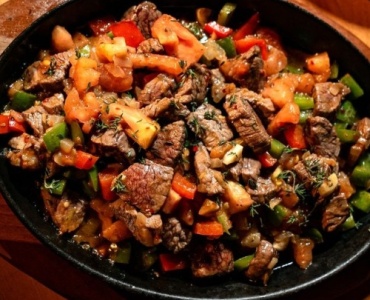
As highly bioavailable iron foods, beef and bison deliver heme iron that’s absorbed more efficiently than plant sources. A 3–4 oz portion of lean beef can provide ~2–3 mg iron. Choose sirloin, top round, or 90% lean ground meats.
How to enjoy: Sear bison steaks with a citrus-herb chimichurri, or simmer chili with tomatoes and beans to combine heme and non-heme iron in one bowl of iron rich foods.
- Recipe idea: Beef-and-bean chili with bell peppers (vitamin C) and lime.
- Tip: Add a side of strawberries or orange slices to increase absorption.
2) Liver (Beef, Chicken)
Liver is one of the most concentrated foods high in iron. A 3 oz serving of beef liver can exceed 5 mg of iron while also supplying vitamin A, B12, and choline.
How to enjoy: Try a quick sauté with onions and parsley, or blend a small amount of chicken liver into meatballs—great for iron rich foods for kids when introduced carefully with your pediatrician’s guidance.
- Recipe idea: Chicken liver pâté with lemon zest on whole-grain toast.
- Note: During pregnancy, limit vitamin A–rich liver and consult your clinician about iron rich foods for pregnant women.
3) Oysters, Mussels, and Clams
Shellfish are stellar heme iron sources and rich in zinc and B12. A 3 oz serving of oysters can deliver 5–8 mg iron, making them among the strongest iron rich foods for rapid repletion.
How to enjoy: Steam mussels with tomatoes and garlic, or toss canned clams into a tomato-based pasta to pair heme iron with vitamin C.
- Recipe idea: Oysters with citrus mignonette, plus a spinach side salad.
- Tip: Shellfish are perfect foods to boost iron levels if you enjoy seafood.
4) Sardines and Anchovies
These small fish offer heme iron plus omega-3 fats and calcium (especially if canned with bones). They’re versatile, shelf-stable, and budget-friendly iron rich foods.
How to enjoy: Mash anchovies into tomato sauce or top salads with sardines, lemon, and capers for a fast, nutrient-dense lunch.
- Recipe idea: Sardine-avocado toast with chili flakes and lemon.
- Pro move: Add bell peppers or a squeeze of citrus to support absorption.
5) Lentils and Beans
Lentils, chickpeas, black beans, and kidney beans are foundational iron rich vegetarian foods. One cup of cooked lentils offers ~6–7 mg of non-heme iron, plus fiber and plant protein.
How to enjoy: Simmer lentil curry with tomatoes, ginger, and spinach for a satisfying bowl of iron rich foods that’s naturally gluten-free, economical, and meal-prep friendly.
- Recipe idea: Smoky chickpea stew with roasted red peppers (vitamin C).
- Tip: Soak beans and rinse before cooking to reduce phytates and enhance absorption.
6) Tofu and Tempeh
Soy foods supply non-heme iron with complete protein and are standout iron rich vegetarian foods for plant-focused eaters. Firm tofu offers ~3–4 mg iron per 1/2 cup; tempeh provides ~2–3 mg per serving.
How to enjoy: Stir-fry tofu with broccoli, bell peppers, and a splash of citrus. Tempeh crumbles beautifully into tacos, pairing well with tomato salsa rich in vitamin C.
- Recipe idea: Ginger-garlic tofu bowls with orange segments and sesame.
- Tip: Consider calcium intake timing around iron rich foods meals to reduce inhibition.
7) Pumpkin Seeds and Nuts
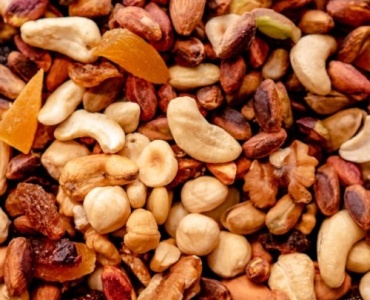
A quarter cup of pumpkin seeds delivers ~2–3 mg iron, making them a quick, portable snack. Almonds, cashews, and pistachios also contribute to your iron sources in diet.
How to enjoy: Toss seeds into oatmeal, blend into pesto, or sprinkle on salads. Pair with citrus or berries to upgrade non-heme iron absorption.
- Recipe idea: Spinach-citrus salad with toasted pumpkin seeds and strawberries.
- Kid-friendly: Seed butters can be mixed into smoothies for iron rich foods for kids.
8) Spinach and Other Leafy Greens
Spinach, kale, Swiss chard, and beet greens are classic foods high in iron. One cup of cooked spinach packs ~6 mg of iron along with folate and magnesium.
How to enjoy: Sauté with garlic and a squeeze of lemon, or fold into omelets, soups, and pasta. The vitamin C from lemon brightens flavor and boosts absorption.
- Recipe idea: Warm lentil–spinach bowl with roasted tomatoes and herbs.
- Tip: Cooking greens reduces oxalates and can help you absorb more non-heme iron.
9) Quinoa and Iron-Fortified Cereals
Quinoa delivers ~2–3 mg iron per cooked cup and provides complete protein, making it a smart base for iron rich foods bowls. Fortified cereals can offer 25–100% of daily needs per serving—check labels.
How to enjoy: Build breakfast parfaits with fortified cereal, berries (vitamin C), and yogurt (enjoy calcium at a different meal if your goal is maximizing iron).
- Recipe idea: Quinoa–black bean salad with corn, cilantro, lime, and avocado.
- Tip: Combine fortified cereal with citrus or kiwi for a powerful morning iron boost.
10) Dark Chocolate and Cocoa
Dark chocolate (70–85% cocoa) and natural cocoa powder offer a modest iron lift—about 2–3 mg per ounce—plus polyphenols. They’re enjoyable additions to a lineup of iron rich foods, but should complement, not replace, main iron sources.
How to enjoy: Blend cocoa into smoothies with strawberries, or finish meals with a square of dark chocolate and orange segments.
- Recipe idea: Cocoa–chia pudding topped with raspberries and pumpkin seeds.
- Note: Enjoy in moderation as part of balanced iron rich foods patterns.
Special Considerations: Kids, Pregnancy, and Anemia
Iron Rich Foods for Kids
Growing bodies and brains need iron for cognitive development. Iron rich foods for kids include fortified cereals, beans, lentils, lean meats, tofu, eggs, and spinach. Serve with vitamin C—think strawberries, oranges, or bell peppers—to support absorption. Smoothies and soups are excellent for picky eaters.
Iron Rich Foods for Pregnant Women
During pregnancy, blood volume expands, increasing iron needs. Focus on iron rich foods for pregnant women such as lean beef, cooked shellfish, beans, lentils, tofu, and spinach. Pair with vitamin C–rich produce. Consult your clinician before using supplements, and discuss liver intake since vitamin A can be excessive in pregnancy.
Best Iron Rich Foods for Anemia
If you’ve been diagnosed with iron-deficiency anemia, emphasize heme iron (beef, bison, poultry, shellfish) and potent plant sources (lentils, beans, tofu, spinach) paired with vitamin C. For many, a balanced rotation of these iron rich foods alongside clinical guidance yields faster improvement.
7-Day Iron-Boost Meal Ideas
Use this flexible template to weave iron rich foods into your week. Mix and match as you like, keeping an eye on vitamin C pairings to enhance absorption.
- Day 1: Breakfast: Fortified cereal with strawberries. Lunch: Quinoa–black bean bowl with lime. Dinner: Beef-and-bean chili with peppers.
- Day 2: Breakfast: Cocoa–chia parfait with raspberries. Lunch: Tofu stir-fry with broccoli and bell peppers. Dinner: Mussels in tomato–garlic broth with spinach salad.
- Day 3: Breakfast: Spinach omelet with salsa. Lunch: Lentil–veggie soup with lemon. Dinner: Bison steak with citrus chimichurri and roasted potatoes.
- Day 4: Breakfast: Fortified oats with orange segments and pumpkin seeds. Lunch: Sardine–avocado toast. Dinner: Chickpea curry with tomatoes and greens.
- Day 5: Breakfast: Yogurt parfait (add vitamin C fruit; enjoy calcium-rich foods away from iron-dense meals if optimizing absorption). Lunch: Tempeh tacos with pico de gallo. Dinner: Clam pasta with a spinach side salad.
- Day 6: Breakfast: Smoothie with cocoa, banana, and strawberries. Lunch: Mediterranean lentil salad with roasted peppers. Dinner: Grilled chicken thighs with quinoa and lemony kale.
- Day 7: Breakfast: Fortified cereal with kiwi. Lunch: Black bean–corn salad with lime. Dinner: Seared beef stir-fry with bok choy and citrus glaze.
This plan balances heme and non-heme sources and emphasizes vitamin C. It’s a practical way to prioritize iron rich foods all week long.
High Iron Foods List (Quick Reference)
Use this compact high iron foods list as a shopping companion and menu planner:
- Heme iron: Lean beef, bison, liver, oysters, mussels, clams, sardines, anchovies, dark meat poultry.
- Non-heme iron: Lentils, chickpeas, black beans, kidney beans, tofu, tempeh, spinach, kale, Swiss chard, pumpkin seeds, quinoa, iron-fortified cereals.
- Vitamin C partners: Citrus, strawberries, kiwi, bell peppers, tomatoes, broccoli.
Combining items from both categories helps you build balanced meals centered on iron rich foods.
Iron Rich Foods and Recipes: Simple Combos That Work
Food synergy matters. Try these quick assemblies of iron rich foods that also taste fantastic:
- Spinach–lentil bowls: Cook lentils in tomato broth, fold in sautéed spinach, finish with lemon and olive oil.
- Beef–pepper stir-fry: Thin-slice lean beef, flash-cook with bell peppers, ginger, and a splash of orange juice.
- Sardine lemon pasta: Toss canned sardines, garlic, parsley, and lemon zest with whole-grain pasta; add cherry tomatoes.
- Tofu citrus salad: Crisp tofu cubes, toss with mixed greens, oranges, and a sesame–lime dressing.
- Oyster stew: Simmer oysters in tomato–fennel broth; serve with a side of kale salad and citrus.
With these ideas, you can assemble iron rich foods in minutes—no complicated steps required.
Smart Shopping and Cooking Tips
- Plan around anchors: Pick 2–3 main iron rich foods for the week (e.g., lentils, lean beef, spinach) and build meals around them.
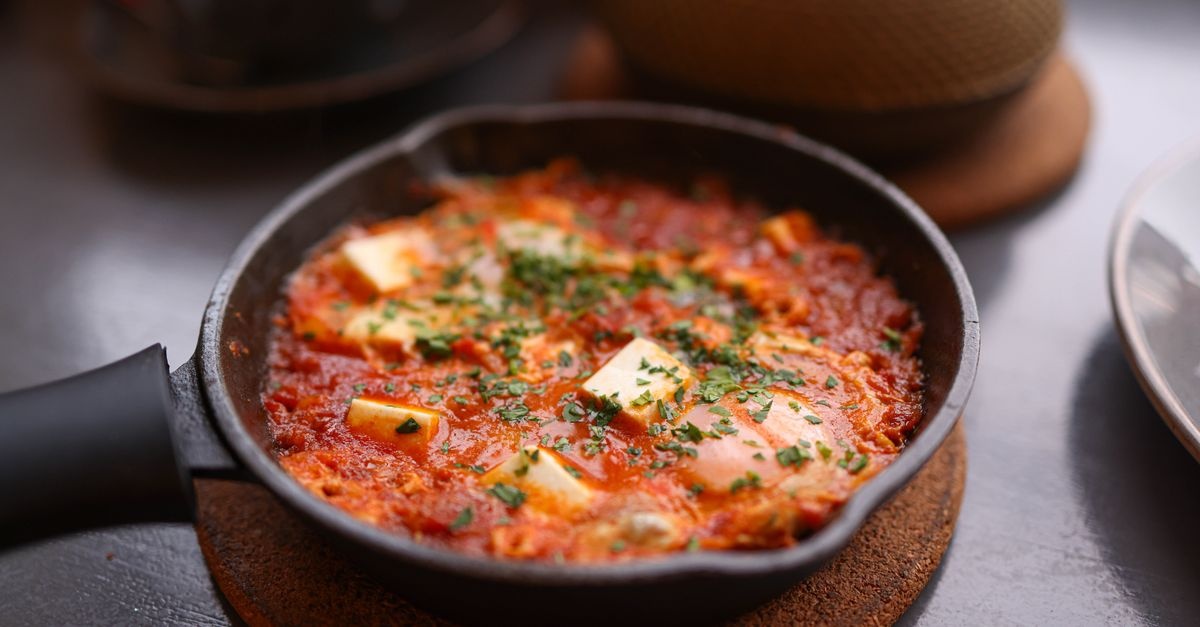
- Use cast iron: Cooking acidic foods like tomatoes in a cast-iron skillet can subtly increase iron content.
- Mind timing: Enjoy coffee, tea, and calcium supplements away from meals richest in iron to avoid inhibition.
- Batch-cook: Prepare big pots of beans or lentils to make it effortless to add iron rich foods to lunches and dinners.
- Fortify breakfast: Start the day with fortified cereals plus vitamin C fruit to front-load your iron intake.
Frequently Asked Questions
What are the best iron rich foods for anemia?
For many people, the best iron rich foods for anemia combine heme iron (beef, shellfish, dark poultry) with plant sources (lentils, beans, tofu, spinach) and vitamin C–rich produce for synergy. Work with your clinician to tailor a plan.
How can vegetarians get enough iron?
Focus on iron rich vegetarian foods like lentils, beans, tofu, tempeh, spinach, fortified cereals, quinoa, and pumpkin seeds. Pair with citrus, peppers, or tomatoes to increase non-heme absorption. Smart planning turns plant-based menus into powerful iron sources in diet.
Are there quick foods to boost iron levels?
Yes. Fortified cereals with strawberries, sardines on toast with lemon, lentil soup with tomatoes, and spinach–chickpea sauté with citrus are fast, tasty foods to boost iron levels. These are dependable iron rich foods for busy days.
What about kids who are picky eaters?
Try smoothies with spinach and cocoa, tomato-based lentil soups, fortified cereals with berries, and meatballs blended with a little liver or tofu. These gentle introductions help build a habit of iron rich foods for kids.
Who Should Be Cautious?
People with conditions like hemochromatosis or those with elevated ferritin should avoid overconsuming iron rich foods and supplements unless advised by a clinician. If you’re pregnant, have chronic illness, or are on medications, seek personalized guidance before making major dietary changes.
Putting It All Together
By understanding heme vs. non-heme iron and pairing your meals with vitamin C, you can turn everyday menus into powerful iron rich foods strategies. Build your week around a mix of lean beef, seafood, lentils, tofu, leafy greens, quinoa, and fortified cereals, and add citrus or peppers to boost absorption.
Whether you’re feeding kids, expecting a baby, or rebounding from low ferritin, there are abundant foods high in iron to fit your preferences and budget. With the right choices and a few simple recipes, iron rich foods can elevate your energy, support immunity, and strengthen long-term health.
Use the high iron foods list, keep vitamin C close by, and enjoy the delicious variety of iron rich foods to feel your best—meal after meal.