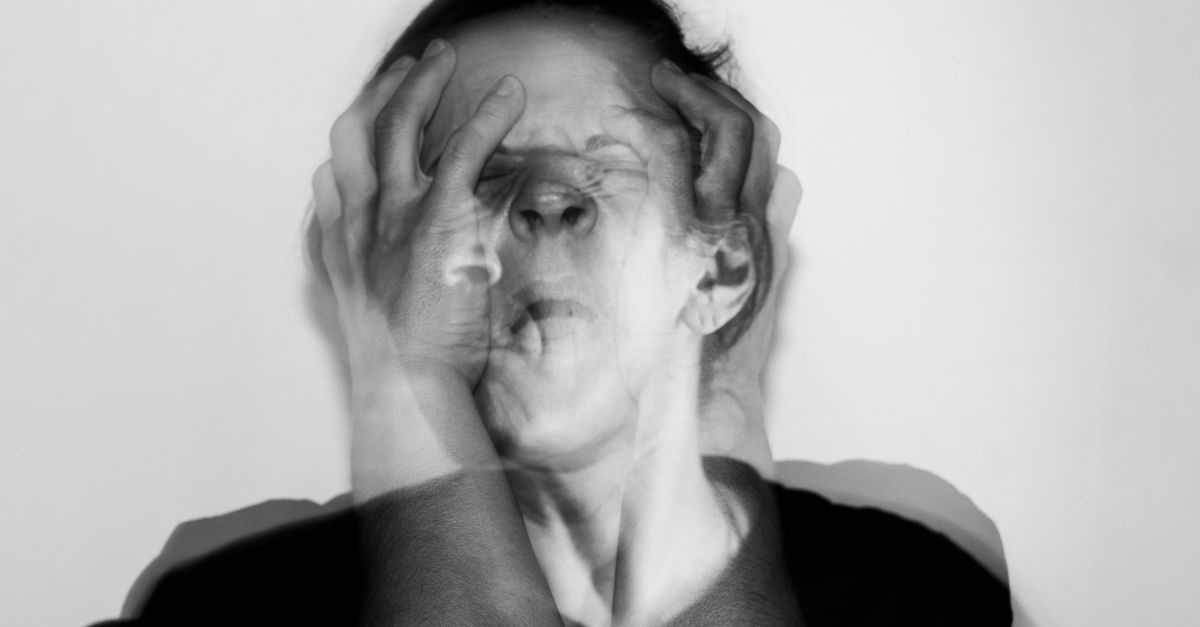
Few experiences feel as disorienting as an anxiety attack. Your heart races, your thoughts spiral, and your body sounds the alarm as if danger is right in front of you—even when nothing obvious is wrong. If you’ve felt this surge of fear, you are not alone. This guide will help you understand what an anxiety attack is, recognize the symptoms of anxiety attack, identify what triggers anxiety attacks, and learn how to manage anxiety attack in the moment and over the long term. You’ll also find an overview of anxiety attack treatment, including anxiety attack therapy options and medications for anxiety attacks, plus practical anxiety attack recovery tips and strategies for preventing anxiety attacks.
Important note: This article provides general education and self-help strategies for an anxiety attack. It is not a substitute for professional diagnosis or treatment. If you are in crisis or having thoughts of harming yourself, call your local emergency number immediately or contact a crisis hotline.
What Is an Anxiety Attack?
An anxiety attack is an acute surge of tension, worry, and fear—often coupled with intense physical sensations—that rises quickly and can last from several minutes to an hour or more. Many people describe an anxiety attack as a wave of dread or apprehension that feels difficult to control. While not a formal diagnosis in some clinical manuals, the term is widely used to describe distressing episodes related to anxiety disorders, stress, or overwhelming life situations.
How Clinicians Understand an Anxiety Attack
Clinically, an anxiety attack aligns with anxiety-spectrum symptoms such as heightened arousal, racing thoughts, and avoidance drives. It may occur in generalized anxiety disorder, social anxiety disorder, specific phobias, health anxiety, trauma-related conditions, or under intense stress. Whether or not the term appears in a diagnostic manual, the lived experience of an anxiety attack is real and valid—and help is available.
Differences Between Anxiety Attack and Panic Attack
People often wonder about the differences between anxiety attack and panic attack. The sensations can overlap, but there are distinctions:
- Onset and focus: An anxiety attack often builds in response to identifiable worries or stressors, while a panic attack can feel more sudden and out of the blue.
- Intensity: Panic attacks often peak within minutes and can be extremely intense. An anxiety attack can range from moderate to intense and may fluctuate in waves.
- Thought patterns: An anxiety attack tends to involve rumination about threats or future concerns; panic can include catastrophic interpretations of bodily sensations (e.g., “I’m having a heart attack”).
- Diagnosis: Panic attacks are a defined feature in multiple disorders. The term anxiety attack is descriptive but widely used in everyday language and clinical conversations.
Both panic and an anxiety attack deserve care and attention. If you are unsure which fits your experience, a mental health professional can help clarify and guide treatment.
Symptoms of an Anxiety Attack
Recognizing the symptoms of anxiety attack can lessen fear and help you respond skillfully. Not everyone experiences all symptoms, and intensity varies. Common signs include:
Physical Symptoms
- Racing or pounding heart
- Shortness of breath, chest tightness, or a lump-in-the-throat sensation
- Lightheadedness, dizziness, or feeling faint
- Hot flashes, chills, sweating, or trembling
- Stomach discomfort, nausea, or urgency
- Muscle tension, jaw clenching, or headache
- Numbness, tingling, or a sense of internal vibration
Cognitive and Emotional Symptoms
- Sense of dread, worry, or overwhelm
- Racing thoughts and difficulty concentrating
- Fear of losing control or doing something embarrassing
- Irritability and restlessness
- Feeling detached from yourself or surroundings
During an anxiety attack, many people fear that the sensations are dangerous. While uncomfortable, these symptoms are typically the body’s stress response. Understanding this can reduce the secondary fear that amplifies an anxiety attack.
Patterns and Duration
An anxiety attack can peak in minutes or ebb and flow for longer, especially when worry cycles keep the body in a heightened state. Some people experience clusters of episodes during stressful periods. Learning your personal pattern can inform anxiety attack coping plans.
What Triggers Anxiety Attacks?
Understanding what triggers anxiety attacks empowers you to plan ahead. Triggers may be internal, external, or both, and they vary by person.
Internal Triggers
- Stress load: Accumulated pressures at work, school, or home can culminate in an anxiety attack.
- Physical states: Sleep deprivation, illness, dehydration, low blood sugar, or hormonal shifts can heighten vulnerability to an anxiety attack.
- Cognitive patterns: Catastrophic thinking, perfectionism, or intolerance of uncertainty can fuel an anxiety attack.
- Substances: Excess caffeine, alcohol rebound anxiety, or stimulants may precipitate an anxiety attack.
External Triggers
- Situations: Social scrutiny, conflict, deadlines, financial stress, or crowded spaces can provoke an anxiety attack.
- Reminders: Sounds, sights, or places linked to past stressors may cue an anxiety attack, especially in trauma-related conditions.
- Unpredictability: Sudden changes or ambiguity can trigger an anxiety attack for people sensitive to uncertainty.
Risk Factors
- Family history of anxiety or mood disorders
- Past trauma or chronic stress
- Medical conditions (e.g., thyroid issues) that mimic or exacerbate anxiety attack symptoms
- Temperament traits such as behavioral inhibition
Knowing your triggers is not about avoidance alone; it’s about preparing targeted strategies for dealing with anxiety attacks before they escalate.
Diagnosis and When to Seek Help
If anxiety attack episodes are frequent, intense, or interfering with daily life, consider a professional evaluation. A clinician can rule out medical causes (such as cardiac or endocrine issues), clarify whether panic disorder or another condition is present, and personalize an anxiety attack care plan.
- Seek urgent medical care if you have chest pain, severe shortness of breath, new neurologic symptoms, or if your symptoms feel unlike previous episodes. It is appropriate to rule out medical emergencies even if you suspect an anxiety attack.
- If you have thoughts of self-harm, contact emergency services or a crisis line right away.
Early support can shorten the course of distress and improve outcomes for an anxiety attack.
Anxiety Attack Treatment and Therapy Options
Effective anxiety attack treatment usually blends skills training, psychotherapy, lifestyle adjustments, and sometimes medication. The right mix depends on your history, preferences, and goals.
Anxiety Attack Therapy Options
- Cognitive Behavioral Therapy (CBT): CBT teaches you to notice thought patterns that intensify an anxiety attack and to respond with balanced thinking and behavioral experiments. Exposure-based strategies gradually reduce fear of triggers and bodily sensations.
- Acceptance and Commitment Therapy (ACT): ACT helps you make space for uncomfortable feelings during an anxiety attack while taking values-based actions.
- Mindfulness-Based Approaches: Mindfulness skills train attention to return to the present during an anxiety attack, reducing reactivity to thoughts and sensations.
- Biofeedback: Devices give real-time data on heart rate or breathing, helping you practice nervous-system regulation and manage an anxiety attack.
- Interoceptive exposure: Safely practicing sensations (e.g., spinning to induce dizziness) reduces fear that bodily cues will trigger an anxiety attack.
- Trauma-focused therapies: If trauma is present, evidence-based approaches (e.g., EMDR, trauma-focused CBT) can reduce triggers tied to an anxiety attack.
Medications for Anxiety Attacks
Medications for anxiety attacks can be helpful, especially when therapy alone isn’t enough or symptoms impair daily functioning. Decisions are individualized and should be made with a qualified clinician.
- SSRIs/SNRIs: Often first-line for anxiety disorders. They reduce overall anxiety and lower the likelihood of an anxiety attack over time.
- Benzodiazepines: May reduce acute symptoms quickly but carry risks (tolerance, dependence, sedation). Usually considered short-term or situational; discuss pros and cons carefully.
- Beta blockers: Can blunt physical symptoms (e.g., racing heart) that fuel an anxiety attack, often used situationally.
- Buspirone, hydroxyzine, or others: Options that may help some individuals with generalized anxiety and anxiety attack susceptibility.
Medication works best alongside skills training so you can handle an anxiety attack confidently, with or without pharmacologic support.
Complementary and Lifestyle Approaches
- Breathing training: Regular practice of slow, diaphragmatic breathing builds capacity to interrupt an anxiety attack.
- Exercise: Aerobic and strength training lower baseline anxiety, making an anxiety attack less likely.
- Sleep hygiene: Restorative sleep stabilizes mood and stress reactivity.
- Nutrition and caffeine awareness: Balanced meals and moderate caffeine can reduce susceptibility to an anxiety attack.
- Social support: Connection buffers stress and helps in dealing with anxiety attacks.
How to Manage Anxiety Attack in the Moment
If you’re wondering how to manage anxiety attack right now, use this simple, evidence-informed plan. It helps you ride out an anxiety attack while signaling safety to your nervous system.
Step-by-Step Grounding Plan
- Name it: “This is an anxiety attack, not an emergency.” Labeling reduces fear of the sensations.
- Anchor breath: Inhale gently through the nose for 4, exhale through pursed lips for 6–8. Repeat for 2–3 minutes. The slower exhale tells the body the anxiety attack can pass.
- Orient to safety: Look around and identify 5 things you see, 4 you feel, 3 you hear, 2 you smell, 1 you taste. This 5-4-3-2-1 grounding interrupts the anxiety attack spiral.
- Relax the body: Unclench your jaw, drop your shoulders, release your belly, and soften your hands. Muscle release reduces the fuel for an anxiety attack.
- Helpful self-talk: Use phrases like “Waves rise and fall,” “I can surf this,” or “This anxiety attack will pass.”
- Micro-move: If able, stroll slowly or stretch. Gentle movement metabolizes adrenaline that powers an anxiety attack.
Dealing With Anxiety Attacks in Daily Life
- At work or school: Have a discreet plan: step outside, use a breathing app, sip water, and return when the anxiety attack eases.
- In public: Sit if dizzy, focus on one object, and lengthen exhalations. Remind yourself the anxiety attack is time-limited.
- Driving: If safe, pull over. Breathe, orient, and resume only when the anxiety attack subsides.
- Sleep time: Keep a notepad by the bed to externalize worries. Body scans can settle an anxiety attack at night.
Practice these steps between episodes so they feel familiar when an anxiety attack arises.
Preventing Anxiety Attacks and Building Resilience
Preventing anxiety attacks is about reducing vulnerability and boosting coping capacity. Small, consistent habits add up.
Daily Foundations
- Sleep: Aim for regular hours. Even modest improvements can lower anxiety attack frequency.
- Movement: 150 minutes weekly of moderate activity reduces the baseline anxiety that can trigger an anxiety attack.
- Fuel: Balanced meals and hydration help stabilize energy and mood during the day, which protects against an anxiety attack.
- Caffeine and alcohol: Track your personal threshold. Cutting back often reduces anxiety attack spikes.
Stress and Thought Skills
- Worry scheduling: Contain rumination to a set 15-minute window; jot solutions. This limits all-day anxiety attack priming.
- Values-based actions: Small steps aligned with your values build confidence that counters the pull of an anxiety attack.
- Boundaries: Protect focus time and say no when overloaded; overcommitment fuels an anxiety attack.
Digital Hygiene
- News diet: Curate sources and set time limits to reduce trigger exposure that can prime an anxiety attack.
- Social media: Mute anxiety-amplifying content and follow accounts that model coping with an anxiety attack.
Anxiety Attack Recovery Tips
Recovery is not linear; expect ups and downs. These anxiety attack recovery tips can keep you moving forward.
- Track patterns: Use a simple log to note triggers, early warning signs, and what helped during an anxiety attack.
- Celebrate micro-wins: Each time you face a trigger or ride out an anxiety attack, acknowledge your progress.
- Gradual exposure: Build a ladder from easier to harder situations and practice, reducing the power of an anxiety attack.
- Relapse plan: List your top three tools and supports to use if an anxiety attack flares after a good stretch.
- Therapeutic tune-ups: Booster sessions can refresh skills and prevent an anxiety attack setback.
Supporting Someone During an Anxiety Attack
- Stay calm and present: Speak slowly. “I’m here. This anxiety attack will pass.”
- Guide to grounding: Encourage slow exhales, name five things you see, and remind them they are safe.
- Avoid minimizing: Skip “just relax.” Validate: “This feels scary; you’re doing your best through this anxiety attack.”
- Collaborate on a plan: Afterward, ask what helped and how to support future anxiety attack moments.
Frequently Asked Questions
Is an anxiety attack dangerous?
An anxiety attack feels alarming but is generally not dangerous. It is the body’s stress response. Seek medical care for new, severe, or unusual symptoms to ensure safety.
How long does an anxiety attack last?
Many anxiety attack episodes peak within 10–30 minutes, though some waves can come and go for an hour or more. Skills shorten duration and intensity over time.
Can lifestyle changes stop anxiety attacks?
While nothing guarantees zero episodes, consistent sleep, movement, nutrition, and stress skills significantly lower anxiety attack frequency and severity.
What’s the best immediate technique?
Lengthening your exhale (e.g., 4-in, 6–8-out) is among the fastest ways to downshift the nervous system during an anxiety attack.
Do I need medication?
Not everyone needs medication for an anxiety attack, but it can help when symptoms are persistent or impairing. Discuss options and risks with a clinician.
Putting It All Together: A Personalized Plan
Here’s a concise template you can tailor to prevent and manage an anxiety attack:
- My early signs: (e.g., chest tightness, spiraling thoughts)
- My top triggers: (e.g., conflict, caffeine, high workload)
- My in-the-moment steps: Name it; 4-6 breathing; 5-4-3-2-1 grounding; relax jaw and shoulders; supportive self-talk
- My supports: Friend/partner, therapist, breathing app, calm playlist
- My prevention habits: Sleep target, movement plan, caffeine limit, worry time
- My follow-up: If episodes increase, schedule a therapy or medical check-in to adjust anxiety attack treatment
Resources and Helplines
If an anxiety attack is frequent or severe, consider reaching out to licensed professionals and trusted organizations. If you’re in immediate danger or considering self-harm, call your local emergency number. For non-urgent support, look for national mental health organizations, local community clinics, and evidence-based self-help workbooks focused on anxiety attack skills.
Conclusion
Understanding an anxiety attack is the first step toward relief. By learning the symptoms of anxiety attack, identifying what triggers anxiety attacks, and practicing practical skills for how to manage anxiety attack, you can reduce fear and reclaim your day. With the right blend of anxiety attack treatment—from anxiety attack therapy options to medications for anxiety attacks when appropriate—plus steady habits for preventing anxiety attacks, confidence grows and episodes lose their grip. Recovery is possible, and every step you take equips you to face the next anxiety attack with more skill, self-compassion, and strength.