
Food for pregnant women supports the energy, growth, and development needed throughout all trimesters. This in-depth guide covers the nutritional needs during pregnancy, practical diet tips for pregnant women, strategic meal planning for pregnant women, smart hydration habits, and delicious recipes for pregnant women. You will also find a complete list of foods to avoid during pregnancy, guidance on essential vitamins for pregnant women, and thoughtful vegetarian options for pregnant women. This article is for education only and does not replace medical advice—always consult your clinician to personalize choices for you and your baby.
Why Pregnancy Nutrition Matters
Every bite can deliver building blocks for your growing baby and fuel for your changing body. Understanding the nutritional needs during pregnancy helps you pick the right food for pregnant women across each trimester. Most pregnant people need a small calorie increase (roughly 0 extra calories in the first trimester, about 340 calories in the second, and about 450 calories in the third), but the quality of those calories matters far more than the quantity.
- Macronutrients: Aim for balanced carbohydrates (prefer high-fiber, minimally processed sources), quality proteins, and healthy fats. A practical target is about 1.1 g of protein per kilogram of body weight daily, or roughly 25 grams more than pre-pregnancy needs.
- Micronutrients: Your body needs more folate, iron, iodine, choline, calcium, vitamin D, B12, and omega-3s (especially DHA). These are among the essential vitamins for pregnant women and critical minerals that support neural development, red blood cell production, and skeletal growth.
- Hydration: Pregnancy increases fluid demands. Meeting your needs goes beyond water alone; electrolytes and watery foods help. We include practical hydration tips for pregnant women later in this guide.
By aligning daily choices to your nutritional needs during pregnancy, you can reduce common discomforts, maintain steady energy, and support optimal fetal development.
Essential Vitamins for Pregnant Women: The Micronutrient Map
Below is a quick-reference overview of essential vitamins for pregnant women and key minerals. Whole foods carry these nutrients alongside fiber, antioxidants, and phytonutrients, but a prenatal supplement can help fill gaps. Always consult your clinician before starting or changing supplements.
- Folate (600 mcg DFE/day): Supports neural tube development. Many clinicians recommend 400–800 mcg of folic acid from a prenatal, especially before conception and in early pregnancy.
- Iron (27 mg/day): Needed for oxygen transport and preventing anemia. Pair plant sources (beans, lentils, spinach) with vitamin C-rich foods for better absorption.
- Iodine (220 mcg/day): Critical for thyroid function and brain development. Use iodized salt and include dairy, eggs, and seafood (low-mercury choices).
- Choline (450 mg/day): Supports brain and spinal development. Eggs, soy, meats, fish, and some beans are reliable sources.
- Calcium (1000 mg/day for adults): Builds fetal bones and teeth; protects your bone density. Get it from dairy, fortified plant milks, tofu made with calcium sulfate, greens, and almonds.
- Vitamin D (600 IU or 15 mcg/day): Aids calcium absorption, immune function, and mood. Sources include fortified milks, eggs, fatty fish, and sunlight (as safe and appropriate).
- Vitamin B12 (2.6 mcg/day): Essential for cell division and the nervous system. Found in animal foods and fortified plant products; supplementation is often necessary for vegans.
- Omega-3s (DHA/EPA): Aim for 200–300 mg DHA daily. Eat 8–12 oz per week of low-mercury fish (salmon, sardines, trout). Algal DHA supplements are a good vegan option.
- Magnesium: Supports muscle function, sleep, and energy metabolism. Get it from nuts, seeds, legumes, whole grains, and leafy greens.
- Fiber (about 28 g/day): Supports digestion, blood sugar balance, and heart health. Found in whole grains, fruits, vegetables, legumes, nuts, and seeds.
Because these are truly essential vitamins for pregnant women and minerals with high demand, discuss a prenatal vitamin with your provider. In the supplements section below, we revisit how to tailor your plan.
Build a Balanced Plate: Core Food for Pregnant Women
Think of your meals as a simple, flexible template for choosing food for pregnant women that works in any cultural cuisine:
- Half the plate: Colorful vegetables and fruits (raw, cooked, or blended).
- One-quarter: Protein (eggs, poultry, fish, tofu, tempeh, beans, lentils, Greek yogurt).
- One-quarter: Whole grains or starchy vegetables (oats, brown rice, quinoa, whole grain bread, sweet potatoes).
- Plus: Calcium-rich foods (dairy or fortified plant milks), and healthy fats (olive oil, avocado, nuts, seeds).
This steady structure helps you naturally meet nutritional needs during pregnancy while keeping meals satisfying and simple.
Best Fruits for Pregnant Women
The best fruits for pregnant women offer fiber, vitamins, minerals, and hydration. Rotate seasonal produce for variety, cost, and flavor.
- Berries (strawberries, blueberries, raspberries): Antioxidants, vitamin C, fiber; easy to add to yogurt or oats.
- Citrus (oranges, clementines, grapefruit): Vitamin C to enhance iron absorption; convenient snacks.
- Bananas: Gentle on the stomach, provide potassium for fluid balance and muscle function.
- Apples and pears: Pectin-rich fiber supports digestion and satiety.
- Avocado: Heart-healthy fats and folate; supports steady energy.
- Mango and papaya (ripe): Vitamin A precursors and vitamin C. Choose ripe papaya; avoid unripe papaya latex.
- Kiwi: Vitamin C and fiber in a small package.
- Pomegranate: Polyphenols and iron-supporting nutrients.
- Dates: Fiber and natural sweetness; energizing in the third trimester and handy in snacks.
Include the best fruits for pregnant women in smoothies, salads, and snacks to amplify nutrient density. As part of food for pregnant women, fruit adds hydration and supports digestion.
Vegetables That Work Hard For You
Leafy greens (spinach, kale), cruciferous veggies (broccoli, cauliflower), orange vegetables (sweet potatoes, carrots), and alliums (onions, garlic) deliver folate, calcium, fiber, and phytonutrients. Roasting, sautéing, steaming, and blending into soups are easy ways to make vegetables a tasty staple of food for pregnant women.
Healthy Snacks for Pregnant Women
Keeping energy up and nausea down often means eating small, frequent meals. Build a stash of healthy snacks for pregnant women that combine protein, fiber, and healthy fats.
- Greek yogurt with berries and ground flax
- Whole grain crackers with hummus and cherry tomatoes
- Apple slices with peanut or almond butter
- Cottage cheese with pineapple and chia seeds
- Boiled eggs with carrot sticks
- Roasted chickpeas or edamame
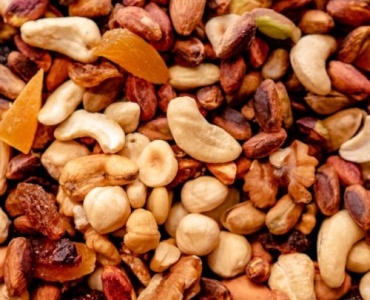
- Trail mix (unsweetened dried fruit, nuts, pumpkin seeds)
- Avocado toast on whole grain bread
- Oat energy bites with oats, nut butter, dates
- Veggie sticks with guacamole or tzatziki
Keep portable healthy snacks for pregnant women in your bag, car, or desk so you can prevent dips in blood sugar. These healthy snacks for pregnant women are simple to prep, store well, and fit into the daily rhythm of meal planning for pregnant women.
Meal Planning for Pregnant Women
Consistency wins. Thoughtful meal planning for pregnant women reduces stress, saves money, and ensures your pantry supports your nutritional needs during pregnancy. Try this weekly flow:
- Plan 3 breakfasts, 3 lunches, and 4 dinners you will rotate across the week. Include a variety of food for pregnant women from all groups.
- Shop with a categorized list: produce, proteins, grains, dairy or fortified alternatives, pantry staples, and healthy snacks for pregnant women.
- Prep building blocks: roast a sheet pan of vegetables, cook grains, batch-cook beans, grill or bake proteins, and wash and cut fruit.
- Portion into containers so meals are ready to go. Include fluids and follow simple hydration tips for pregnant women.
With steady meal planning for pregnant women, you can adapt to cravings, symptoms, and schedule changes while keeping nutrient targets in view.
Sample 3-Day Menu
Use this as inspiration, and modify based on appetite, allergies, cultural preferences, and clinician guidance.
Day 1
- Breakfast: Oatmeal with chia, cinnamon, and blueberries; side of scrambled eggs
- Snack: Orange and a handful of almonds
- Lunch: Lentil and vegetable soup with a slice of whole grain bread
- Snack: Greek yogurt with honey and walnuts
- Dinner: Baked salmon, quinoa, and roasted broccoli with olive oil and lemon
Day 2
- Breakfast: Whole grain toast with avocado, tomato, and sesame; glass of fortified milk
- Snack: Apple with peanut butter
- Lunch: Chicken, chickpea, and veggie grain bowl with tahini dressing
- Snack: Pear and cheese cubes
- Dinner: Turkey chili with beans; side salad with citrus
Day 3
- Breakfast: Smoothie with spinach, banana, kefir, and ground flax
- Snack: Hummus with carrot and cucumber sticks
- Lunch: Tofu stir-fry with brown rice and mixed vegetables
- Snack: Cottage cheese with pineapple
- Dinner: Shrimp tacos with cabbage slaw, avocado, and salsa
This rotating template simplifies meal planning for pregnant women and keeps you focused on food for pregnant women that is simple, satisfying, and nutrient-dense.
Vegetarian Options for Pregnant Women
Plant-forward diets can fully support pregnancy with mindful choices. The best vegetarian options for pregnant women include a variety of protein sources, iron-rich foods, and B12 from fortified foods or supplements.
- Proteins: Tofu, tempeh, edamame, lentils, beans, peas, quinoa, seitan (if tolerated), nuts, seeds, yogurt, and eggs for ovo-vegetarians.
- Iron: Lentils, beans, soy, spinach, fortified cereals; pair with vitamin C (citrus, peppers) to boost absorption.
- Omega-3s: Ground flaxseed, chia, walnuts, and algal DHA supplements.
- Calcium: Dairy or fortified plant milks, tofu with calcium sulfate, tahini, almonds, and greens.
- Vitamin B12: Fortified plant milks and cereals; consider supplementation if vegan.
With these vegetarian options for pregnant women, you can meet key targets for protein and micronutrients. Many recipes for pregnant women can be adapted by swapping animal proteins for tofu, tempeh, or legumes without sacrificing flavor or satisfaction. A dietitian can help personalize vegetarian options for pregnant women to your taste and culture while ensuring the essential vitamins for pregnant women are covered.
Hydration Tips for Pregnant Women
Your body needs more fluid to support blood volume, amniotic fluid, and metabolism. Practical hydration tips for pregnant women make meeting those needs easier:
- Target steady sips throughout the day; keep a bottle within reach.
- Flavor water with fruit, herbs, or a squeeze of citrus to boost intake.
- Include watery foods (soups, smoothies, cucumbers, melons) as part of food for pregnant women.
- Use electrolyte beverages if you are sweating, vomiting, or experiencing diarrhea; choose low-sugar options.
- Limit caffeine to about 200 mg per day (roughly one 12 oz brewed coffee).
- Watch for signs of dehydration: dark urine, headache, dizziness, or constipation.
Sip consistently rather than chugging at once. If nausea is present, chilled and carbonated water, ginger tea, or ice chips can help. These gentle hydration tips for pregnant women support comfort and nutrient delivery.
Foods to Avoid During Pregnancy
Knowing the foods to avoid during pregnancy protects you from foodborne illness and unnecessary exposure to contaminants. This list is your safety net:
- High-mercury fish: Avoid shark, swordfish, king mackerel, and tilefish. Choose low-mercury fish like salmon, sardines, trout, cod, and shrimp instead.
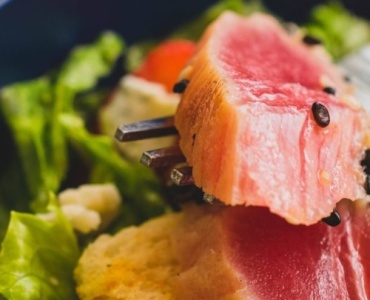
- Undercooked or raw animal products: No rare meats, runny eggs, or raw fish (sushi with raw fish). Cook eggs until both whites and yolks are firm; cook seafood to 145°F/63°C, poultry to 165°F/74°C, and ground meats to 160°F/71°C.
- Unpasteurized dairy and juices: Skip raw milk, raw-milk cheeses (unless pasteurized), and unpasteurized juices to reduce the risk of listeria and other infections.
- Deli meats and refrigerated smoked seafood: Heat deli meats until steaming; avoid refrigerated smoked seafood unless part of a cooked dish.
- Raw sprouts: Alfalfa, clover, radish, and mung bean sprouts can harbor bacteria; eat them cooked only.
- Alcohol: There is no known safe amount in pregnancy.
- Excess liver: High in preformed vitamin A; too much can be harmful.
- Herbal products: Many herbal teas and supplements are not well studied in pregnancy. Check safety with your clinician.
Reviewing foods to avoid during pregnancy is part of choosing safe food for pregnant women. If in doubt, ask your care team to review your usual favorites and label-reading strategies. Remember, this is about reducing risk—within that framework, there are many delicious and safe choices.
For quick recall, keep a small kitchen note labeled 'foods to avoid during pregnancy' with your grocery list; this practical habit supports effortless safety.
Smart Supplement Strategy
Many people benefit from a prenatal vitamin to cover the essential vitamins for pregnant women, plus minerals like iron and iodine. Your clinician can tailor iron dosing if labs show deficiency or anemia and recommend vitamin D or DHA adjustments as needed. Remember, supplements support but do not replace balanced food for pregnant women.
Managing Common Symptoms With Food
Targeted, gentle diet tips for pregnant women can ease symptoms and keep you nourished:
- Nausea: Try small, frequent meals; dry crackers on waking; ginger tea; cold foods if smells trigger nausea. Keep healthy snacks for pregnant women at hand.
- Constipation: Increase fiber gradually (fruits, vegetables, legumes, whole grains) and fluids; add prunes or kiwi; move daily as tolerated.
- Heartburn: Eat smaller meals, avoid lying down within 2–3 hours of eating, limit trigger foods (deep-fried, very spicy, chocolate, mint), and include calming options like oatmeal, bananas, and yogurt.
- Fatigue: Stabilize blood sugar with protein + fiber at each mini-meal; ensure iron and B12 are adequate; stay on top of hydration tips for pregnant women.
- Blood sugar concerns: Emphasize high-fiber carbohydrates, pair carbs with protein and healthy fats, and space meals and snacks evenly throughout the day. Personalized guidance from your care team is essential.
These simple, food-first approaches align with the best diet tips for pregnant women and can be integrated into your daily routine with minimal effort.
Simple, Nourishing Recipes for Pregnant Women
Make cooking easier with these quick recipes for pregnant women. Each focuses on whole ingredients, steady energy, and the essential vitamins for pregnant women. Adapt portions to appetite and trimester, and consult your clinician for individualized needs. These recipes for pregnant women can anchor your weekly plan and reinforce meal planning for pregnant women.
Recipe 1: Creamy Berry-Chia Overnight Oats
Why it works: Fiber, calcium, omega-3s, and vitamin C. Excellent as food for pregnant women you can prep ahead.
- Ingredients: Rolled oats, milk or fortified plant milk, Greek yogurt, chia seeds, mixed berries, vanilla, cinnamon, optional honey.
- Steps: Combine oats, milk, yogurt, chia, vanilla, and cinnamon. Refrigerate overnight. Top with berries and a drizzle of honey.
Recipe 2: Lemon-Tahini Lentil Bowl
Why it works: Plant protein, iron, folate, and vitamin C for absorption; fits vegetarian options for pregnant women.
- Ingredients: Cooked lentils, roasted sweet potatoes, steamed broccoli, arugula, tahini, lemon juice, olive oil, garlic, cumin, salt and pepper.
- Steps: Whisk tahini, lemon, oil, garlic, and cumin. Layer lentils, vegetables, and greens; drizzle dressing. Serve warm or chilled.
Recipe 3: Salmon, Quinoa, and Greens Skillet
Why it works: DHA-rich fish, complete protein, and leafy greens. An excellent anchor in recipes for pregnant women.
- Ingredients: Salmon fillets, cooked quinoa, baby spinach, cherry tomatoes, olive oil, lemon zest, dill, salt and pepper.
- Steps: Sear salmon to 145°F/63°C. Wilt spinach in oil; add tomatoes and quinoa. Top with salmon, lemon zest, and dill.
Recipe 4: Gingered Chicken and Veggie Soup
Why it works: Hydrating, soothing for nausea, and easy to digest; aligns with gentle diet tips for pregnant women.
- Ingredients: Olive oil, onion, carrots, celery, garlic, fresh ginger, cooked chicken, low-sodium broth, whole grain noodles or brown rice, parsley, lemon.
- Steps: Sauté aromatics; add broth and grains; simmer until tender. Stir in chicken, parsley, and lemon. Season to taste.
Recipe 5: Tofu-Spinach Scramble Wrap
Why it works: Protein, iron, choline alternatives, and fiber; a flexible pick among vegetarian options for pregnant women.
- Ingredients: Firm tofu, olive oil, turmeric, black pepper, garlic powder, baby spinach, diced peppers, whole grain tortilla, avocado.
- Steps: Crumble tofu and sauté with spices. Add spinach and peppers until wilted. Wrap in tortilla with avocado.
These flavorful recipes for pregnant women use easy pantry items and deliver a big nutritional payoff.
Quick-Switch Pantry Upgrades
- Swap white rice for brown rice or quinoa.
- Choose whole grain bread and pasta.
- Use olive oil instead of butter for most cooking.
- Add beans or lentils to soups, salads, and tacos.
- Keep nuts, seeds, and nut butters on hand for healthy snacks for pregnant women.
Your Practical Checklist: Diet Tips for Pregnant Women
Use this mini playbook of diet tips for pregnant women to simplify your days:
- Anchor every meal with protein + fiber + healthy fat.
- Plan and prep: a weekly rhythm for meal planning for pregnant women keeps you consistent.
- Pack portable, balanced healthy snacks for pregnant women to prevent energy dips.
- Rotate the best fruits for pregnant women and a rainbow of vegetables.
- Prioritize calcium, iron, and DHA; review essential vitamins for pregnant women with your clinician.
- Drink throughout the day; practice the hydration tips for pregnant women that work for you.
- Review the foods to avoid during pregnancy and practice safe food handling.
- Personalize vegetarian options for pregnant women with a dietitian if plant-based.
Frequently Asked, Quickly Answered
How much weight gain is typical?
Recommendations vary by pre-pregnancy BMI and your clinician’s guidance. Nourish steadily with balanced food for pregnant women and regular, comfortable movement; your care team will help you track progress.
How can I hit iron goals if I dislike meat?
Lean on beans, lentils, tofu, fortified cereals, pumpkin seeds, and greens. Pair with the best fruits for pregnant women rich in vitamin C, like oranges and kiwi, for better iron absorption. Consider an iron supplement if recommended by your clinician.
Do I need a prenatal vitamin if I eat well?
Often yes. A prenatal can help cover the essential vitamins for pregnant women, especially folate, iron, iodine, vitamin D, and sometimes choline. Confirm specifics with your provider.
Bringing It All Together
Nutrition in pregnancy is not about perfection; it is about steady wins. With smart meal planning for pregnant women, consistent hydration, and attention to the essential vitamins for pregnant women, you can build a pattern that leaves you energized and confident. Keep a shortlist of foods to avoid during pregnancy in mind, lean on vegetarian options for pregnant women if plant-forward eating suits you, and use the best fruits for pregnant women and healthy snacks for pregnant women to fill in the gaps.
Most of all, choose food for pregnant women that you genuinely enjoy and can prepare with ease. Small, sustainable steps—like prepping a few staples, carrying water, and relying on simple recipes for pregnant women—create momentum. As your needs change, revisit these diet tips for pregnant women and partner with your care team to personalize the journey. With care and consistency, your daily food for pregnant women will nourish both you and your growing baby.