
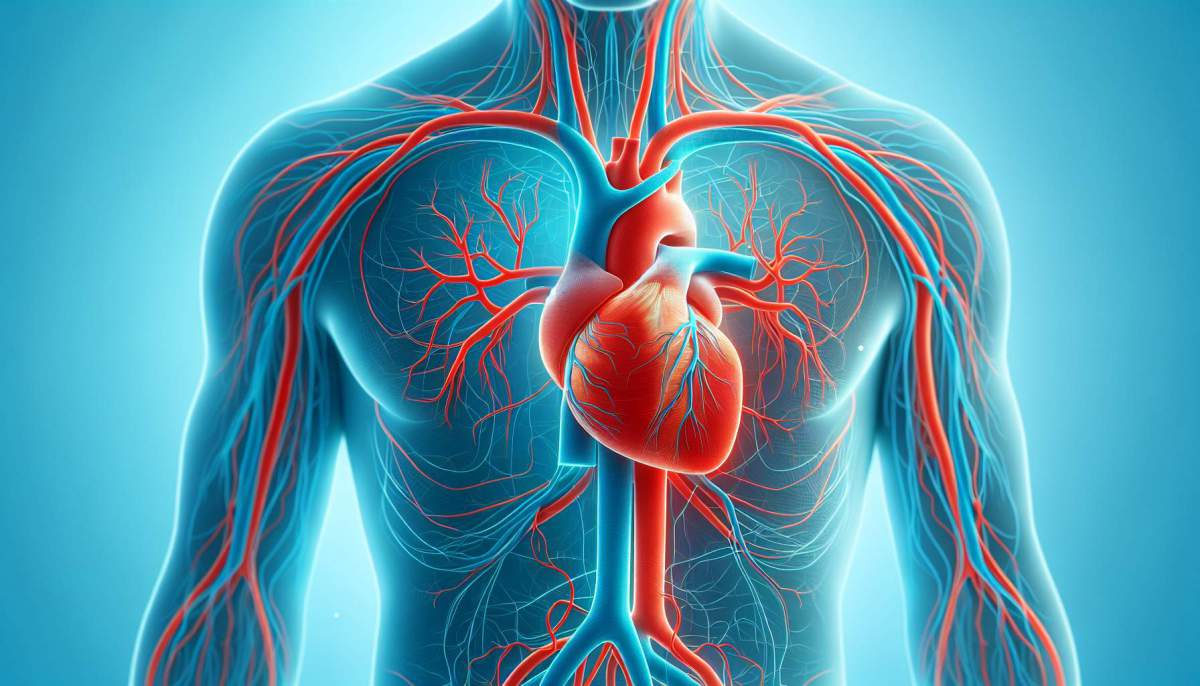
Congestive heart failure is a complex, long-term condition in which the heart’s pumping or filling ability is impaired, leading to reduced blood flow and fluid buildup in the lungs and tissues. It affects millions of people worldwide and is one of the most common reasons for hospital admission among older adults. Although the diagnosis can feel overwhelming, today’s therapies, lifestyle strategies, and coordinated care models give many people the tools to live well for years after diagnosis.
In this guide, we explore what is congestive heart failure, how clinicians assess it, the most common congestive heart failure symptoms and triggers, evidence-based treatment paths, and daily habits that support your heart and overall quality of life. We include practical tips, plain-language explanations, and questions to take to your next clinic visit.
Educational note: This information is for general guidance. If you or a loved one has congestive heart failure, always work with your healthcare team for personalized diagnosis and treatment decisions, and seek urgent care for new or worsening symptoms.
What Is Congestive Heart Failure?
What is congestive heart failure? It is a clinical syndrome where the heart cannot pump blood with enough force (systolic dysfunction) or cannot relax and fill properly (diastolic dysfunction). Over time, the body compensates—by raising heart rate, retaining fluid, or increasing blood vessel tone—but these short-term adaptations can worsen symptoms and strain the heart.
Broadly, congestive heart failure develops because the heart muscle is weakened, stiffened, or both. Clinicians often classify it by ejection fraction (EF), a measure of how much blood the left ventricle pumps out with each beat:
- HFrEF (reduced EF): Pumping function is impaired; EF typically <40%.
- HFpEF (preserved EF): Filling/relaxation is impaired; EF is normal or near-normal, but pressures are elevated.
- HFmrEF (mildly reduced EF): EF in the 41–49% range; overlaps features of both.
Whichever type you have, the goal is the same: reduce symptoms, prevent hospitalizations, protect organs from fluid congestion, and prolong life through a coordinated plan.
Chronic Heart Failure vs. Congestive Heart Failure
People often ask about chronic heart failure vs congestive heart failure. Chronic heart failure describes the long-standing nature of the condition, whereas congestion refers to fluid buildup in the lungs or legs. In everyday practice, congestive heart failure is frequently used interchangeably with chronic heart failure, but not all chronic heart failure is overtly “congested” at every moment—especially when treatment is optimized.
- Chronic emphasizes time course and the need for ongoing management.
- Congestive highlights the fluid component, which can fluctuate with diet, activity, medications, and other illnesses.
Congestive Heart Failure Symptoms
Congestive heart failure symptoms can be subtle at first and are often mistaken for “just getting older” or deconditioning. They tend to worsen with exertion and improve with rest, though advanced stages may bring symptoms at rest. Early recognition leads to earlier treatment and better outcomes.
- Breathlessness (dyspnea), especially with activity or when lying flat.
- Fatigue and reduced exercise tolerance.
- Swelling (edema) in the ankles, legs, or abdomen.
- Rapid weight gain over a few days from fluid retention.
- Persistent cough or wheeze, often worse at night.
- Palpitations or irregular heartbeat.
- Decreased appetite, early satiety, or abdominal fullness.
- Confusion or difficulty concentrating, especially in older adults.
Call your care team promptly if you notice a sudden weight gain (for example, 2–3 pounds in a day or 5 pounds in a week, depending on your plan), worsening breathlessness, new chest pain, or fainting spells, as these can indicate your congestive heart failure is worsening or another urgent problem is developing.
Causes of Congestive Heart Failure and Risk Factors
The causes of congestive heart failure vary by person and often involve a combination of cardiac and systemic factors. Knowing the underlying cause helps tailor therapy and prevention strategies.
- Coronary artery disease and prior heart attack, which weaken muscle.
- Long-standing high blood pressure, which stiffens the heart.
- Valvular heart disease (narrowed or leaky valves).
- Cardiomyopathies, including genetic, inflammatory (myocarditis), or toxin-induced (e.g., alcohol, chemotherapy) conditions.
- Metabolic/endocrine disorders such as diabetes, thyroid disease, or severe obesity.
- Arrhythmias, especially atrial fibrillation with fast rates.
- Sleep apnea and chronic lung disease.
- Congenital heart disease present from birth.
- Infections and infiltrative diseases (e.g., amyloidosis).
- Lifestyle factors: high-sodium diet, smoking, heavy alcohol intake, sedentary habits.
Sometimes, congestive heart failure stems from more than one cause (for instance, hypertension and coronary disease), and addressing each factor is key to improving symptoms and prognosis.
How Congestive Heart Failure Is Diagnosed
Clinicians suspect congestive heart failure based on history, physical exam, and risk profile, then confirm with tests. No single test stands alone; diagnosis often requires a combination of evidence.
- History and exam: symptom timeline, blood pressure, heart and lung sounds, and leg swelling.
- Blood tests: BNP or NT-proBNP to gauge cardiac stress; kidney function and electrolytes to guide therapy.
- Echocardiogram: ultrasound that measures ejection fraction and valve function, defining type and severity.
- ECG: rhythm and conduction abnormalities.
- Chest X-ray: heart size, fluid in lungs.
- Stress testing or coronary imaging when reduced blood flow is suspected.
An echocardiogram clarifies EF and can reveal structural causes of congestive heart failure such as valve disease or hypertrophy. Your team will also consider the ACC/AHA stages (A–D) and NYHA functional class (I–IV) to guide treatment intensity.
Treatment Options for Congestive Heart Failure
Treatment is individualized based on heart failure type, causes, symptom severity, and comorbidities. Most plans blend lifestyle measures, medications, and in some cases devices or procedures, along with close follow-up and education.
How to Manage Congestive Heart Failure: A Stepwise Overview
Managing congestive heart failure means easing symptoms, preventing hospitalizations, protecting the heart, kidneys, and lungs, and prolonging life. Care is continuous and proactive, with adjustments as your condition and goals evolve.
- Identify and treat root causes (e.g., blood pressure, coronary disease, valve disease, sleep apnea).
- Start guideline-directed medical therapy and reach target doses when possible.
- Adopt day-to-day habits that minimize fluid overload and support conditioning.
- Monitor closely with weight logs, symptom checks, and regular visits.
- Coordinate care across cardiology, primary care, pharmacy, nutrition, and rehabilitation.
Congestive Heart Failure Medications
Evidence-based congestive heart failure medications improve symptoms and survival by reducing harmful stress hormones, easing fluid overload, and protecting the heart muscle. Your regimen will depend on your heart failure type and other conditions.
- ARNI (sacubitril/valsartan): Combines neprilysin inhibition with RAAS blockade; shown to reduce hospitalizations and mortality in HFrEF.
- ACE inhibitors or ARBs: Reduce afterload and remodeling; core therapy when ARNI isn’t used or tolerated.
- Beta-blockers (e.g., carvedilol, metoprolol succinate, bisoprolol): Slow heart rate and reduce arrhythmic risk.
- SGLT2 inhibitors (e.g., dapagliflozin, empagliflozin): Lower risk of hospitalization and improve symptoms across EF ranges, with or without diabetes; increasingly foundational for congestive heart failure.
- Mineralocorticoid receptor antagonists (spironolactone, eplerenone): Improve outcomes in HFrEF and may help selected HFpEF patients.
- Diuretics (e.g., furosemide, torsemide): Relieve fluid overload; dosing is individualized and often adjusted with daily weights for congestive heart failure symptom control.
- Vasodilators (hydralazine/isosorbide dinitrate): Especially useful in some patients who cannot take ACE/ARB/ARNI, and shown to benefit certain populations.
- Other agents: Ivabradine (selected patients with high resting HR), vericiguat (high-risk HFrEF), and iron therapy for iron deficiency.
Medication plans vary by congestive heart failure type. For HFrEF, cornerstone therapy typically includes a beta-blocker, ARNI (or ACE/ARB), MRA, and SGLT2 inhibitor, titrated as tolerated. HFpEF focuses on blood pressure control, SGLT2 inhibitors, diuretics for congestion, and aggressive management of comorbidities. Always discuss indications, side effects, and monitoring with your clinician and pharmacist.
Devices and Procedures for Congestive Heart Failure
When medicines and lifestyle are not enough, some people with congestive heart failure benefit from device-based therapy or procedures that support rhythm, pumping coordination, or address structural problems.
- Implantable cardioverter-defibrillator (ICD) to reduce sudden cardiac death in qualifying patients.
- Cardiac resynchronization therapy (CRT) for wide QRS or dyssynchrony, improving symptoms and outcomes in selected cases.
- Valve repair or replacement (surgical or transcatheter) when valve disease contributes to heart failure.
- Revascularization (PCI or CABG) if ischemia drives dysfunction and symptoms.
- Advanced therapies: Left ventricular assist devices (LVAD) or heart transplant for advanced, refractory congestive heart failure in specialized centers.
Managing Acute Exacerbations of Congestive Heart Failure
An acute flare may involve a sudden spike in fluid retention, shortness of breath at rest, low oxygen, or chest discomfort. Triggers include high-salt meals, missed medications, infections, arrhythmias, or uncontrolled blood pressure. If severe symptoms occur, call emergency services. Rescue care might include IV diuretics, vasodilators, oxygen support, or treatment of the underlying trigger, followed by adjustments to your long-term plan.
Living With Congestive Heart Failure
Living with congestive heart failure is about consistency and collaboration. Small daily habits can prevent flare-ups, reduce hospitalizations, and support energy and mood. A written action plan helps you recognize early warning signs and know when to contact your care team.
- Track your weight at the same time each morning, after urinating and before eating.
- Take medications exactly as prescribed; use pill organizers or apps.
- Keep appointments and bring logs of weights, blood pressure, and symptoms.
- Get vaccines (flu, COVID-19, pneumonia) to prevent infections that strain the heart.
- Plan ahead for travel and events—pack meds, check sodium on menus, and pace activities.
Congestive Heart Failure Diet: What to Eat and What to Limit
A congestive heart failure diet minimizes fluid buildup and supports vascular and metabolic health. Think “mostly plants, lean proteins, healthy fats, and mindful sodium.”
- Sodium: Your team will set a personalized goal (often 1,500–2,000 mg/day). In congestive heart failure, sodium drives water retention; learn to read labels and watch restaurant portions.
- Fluids: Many people have a daily fluid goal; ask about limits, especially if you retain fluid easily.
- Focus foods: Vegetables, fruits, beans, lentils, whole grains, nuts, seeds, and fish rich in omega-3s.
- Limit: Processed meats, canned soups, salty snacks, fast food, added sugars, and excess alcohol.
- Potassium and magnesium: These may matter with certain drugs; do not supplement without guidance.
Work with a cardiac dietitian to tailor your plan, explore flavorful low-sodium cooking, and build a weekly shopping list that makes heart-healthy choices the default.
Physical Activity and Cardiac Rehab With Congestive Heart Failure
Structured exercise builds stamina, strengthens muscles, and improves quality of life. Cardiac rehabilitation offers supervised, progressive training and education that is especially helpful for congestive heart failure after hospitalization or major treatment changes.
- Start low and go slow: Gentle walking or cycling most days, as tolerated.
- Strength training: Light resistance 2–3 times per week improves function.
- Warm up and cool down: Reduce strain on the heart and prevent dizziness.
- Monitor: Use perceived exertion scales, track symptoms, and stop if you feel unwell.
Ask your clinician about a referral to cardiac rehab, and clarify any activity restrictions or target heart rate zones for your plan.
Mental Health, Sleep, and Social Support
Because congestive heart failure is chronic, it can affect mood, sleep, relationships, and work. Treating depression and anxiety, optimizing sleep (including testing for sleep apnea when appropriate), and engaging family and friends in your plan can dramatically improve day-to-day life. Peer support groups—online or in person—often offer practical tips and encouragement.
Complications, Outlook, and Prevention
Complications can include arrhythmias, kidney dysfunction, anemia, blood clots, and worsening valve disease. With modern therapies and careful self-management, many people stabilize or improve. Prevention focuses on treating blood pressure and diabetes, avoiding tobacco, maintaining a healthy weight, staying active, and getting timely care for infections or new symptoms related to congestive heart failure.
Working With Your Care Team
Your multidisciplinary team—cardiologist, primary care clinician, nurses, pharmacist, dietitian, and rehabilitation specialists—helps you personalize goals, review medications, and troubleshoot barriers. Bring questions about your specific type of congestive heart failure, test results, and what milestones to watch for between visits. Shared decision-making ensures the plan fits your values, culture, budget, and lifestyle.
Frequently Asked Questions About Congestive Heart Failure
What is congestive heart failure?
It is a syndrome where the heart’s pumping or filling function is impaired, leading to inadequate blood flow, fluid retention, and symptoms like breathlessness and swelling. Causes and severity vary; treatment combines lifestyle changes, medicines, and sometimes devices or procedures.
Is congestive heart failure the same as chronic heart failure?
They are closely related terms. Chronic heart failure describes the ongoing nature of the condition. “Congestive” highlights fluid accumulation, which may rise and fall with treatment and triggers.
What are early congestive heart failure symptoms?
Common early signs include shortness of breath with exertion, fatigue, reduced exercise tolerance, mild ankle swelling, or needing more pillows to sleep comfortably. These symptoms overlap with other conditions, so evaluation is important.
What treatment options for congestive heart failure are available?
Core options include guideline-directed medications (such as ARNI, ACE/ARB, beta-blockers, SGLT2 inhibitors, MRAs, and diuretics), cardiac rehabilitation, and, for selected patients, devices (ICD, CRT), coronary or valve procedures, and advanced therapies (LVAD, transplant) in specialized centers.
How can I manage congestive heart failure at home?
Take medicines as prescribed, track daily weights, limit sodium, follow fluid guidance, remain physically active as advised, and call your team promptly for rapid weight gain or worsening breathlessness. A written action plan helps you know when and how to respond to changes.
What is a congestive heart failure diet?
It emphasizes lower sodium, adequate but not excessive fluids, plenty of vegetables, fruits, whole grains, legumes, lean proteins, and healthy fats, while minimizing ultra-processed foods, added sugars, and excess alcohol.
Which congestive heart failure medications are first-line?
For HFrEF, foundational therapy often includes an ARNI (or ACE/ARB), beta-blocker, MRA, and SGLT2 inhibitor, with diuretics for symptom relief. HFpEF centers on blood pressure control, SGLT2 inhibitors, diuretics, and managing comorbidities.
Can you live long with congestive heart failure?
Yes—many people live for years, especially when the underlying cause is treated and modern therapies are optimized. Outcomes improve with early diagnosis, adherence to medicines, healthy habits, and close follow-up.
Putting It All Together
Congestive heart failure requires a blend of science and self-care. By understanding your specific type and stage, building a strong partnership with your clinicians, using proven medications and, when appropriate, devices or procedures, and practicing day-to-day habits that support your heart, you can reduce symptoms, avoid hospital stays, and enjoy a fuller, more active life. If you notice new or worsening symptoms, seek care promptly—early action is one of your most powerful tools.