Unlocking the Secrets of the Keto Diet: A Comprehensive Guide to Healthy Living
The keto diet isn’t just another low-carb fad—it’s a proven, structured way of eating that encourages your body to burn fat for fuel. At its core, the keto diet shifts your metabolism into a state called ketosis, which can support steady energy, reduced cravings, and improved blood sugar control. When designed thoughtfully, the keto diet can be flexible, nourishing, and sustainable for the long term.
Decoding the keto diet: what it is and how it works
The keto diet is a low-carbohydrate, high-fat approach that typically prioritizes fat (70–75% of calories), moderate protein (20–25%), and very low carbohydrates (usually 5–10%). By limiting carbs—often to around 20–50 grams per day—the keto diet encourages your liver to create ketones from fat, which your body then uses for energy. This metabolic switch is what sets the keto diet apart from other low-carb strategies.
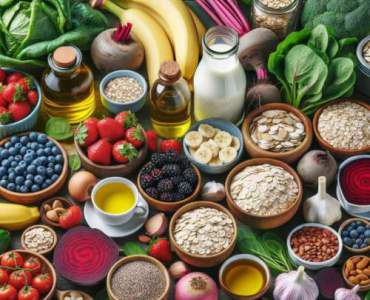
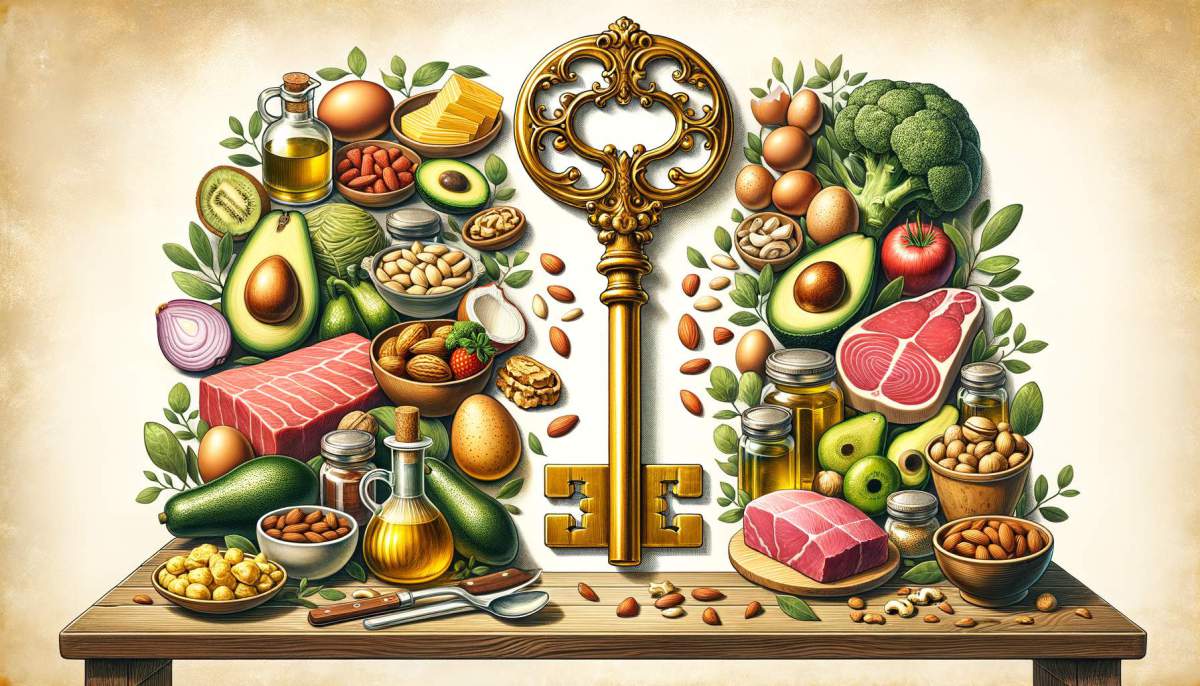
In practical terms, the keto diet means swapping bread, pasta, rice, and sugary snacks for nutrient-dense whole foods like eggs, fish, avocado, olive oil, nuts, seeds, leafy greens, and low-sugar berries. With the right planning, the keto diet can deliver a satisfying, flavorful eating pattern that fits your lifestyle.
Key features of ketosis
- Lower insulin levels: The keto diet naturally reduces insulin spikes, which can help with appetite control.
- Fat adaptation: Over time, your body becomes more efficient at burning fat and using ketones.
- Steadier energy: With fewer blood sugar swings, many people report consistent energy on the keto diet.
The science behind fat adaptation
In the first days of the keto diet, you’ll deplete stored glycogen, the carbohydrate reserve in your liver and muscles. As glycogen drops, the keto diet promotes increased fat oxidation and ketone production. Within 1–3 weeks, most people notice clearer thinking, fewer cravings, and better satiety. The keto diet doesn’t require starvation; it requires strategic macronutrient balance and adequate electrolytes to feel your best.
Remember: the keto diet is not a high-protein diet; it’s a high-fat, moderate-protein approach. Too much protein can blunt ketosis for some, so smart portioning helps you stay on track.
Keto diet benefits and realistic expectations
Many choose the keto diet for fat loss, but the benefits can extend beyond the scale. Expect gradual, sustainable changes with the right plan.
- Appetite control: The keto diet often curbs cravings thanks to steady blood sugar.
- Body composition: With protein-conscious meals, the keto diet can help preserve lean mass while losing fat.
- Metabolic health: Some experience improved markers like triglycerides and HDL on the keto diet.
When looking at keto diet results, prioritize more than weight: track energy, sleep, stress, digestion, and performance. The keto diet works best when it supports your life, not the other way around.
keto diet for beginners: your first 14 days
Starting the keto diet can feel overwhelming, but a clear plan reduces friction. In your first two weeks, keep meals simple, hydrate well, and focus on electrolytes. If you want an easy keto diet, think “protein + low-carb vegetables + healthy fats” at most meals. This keeps the keto diet approachable while you learn portions and preferences.
Week 1: simplify
- Breakfast: Eggs cooked in butter or olive oil with spinach and avocado.
- Lunch: Grilled chicken salad with olive oil, pumpkin seeds, and feta.
- Dinner: Salmon, asparagus, and herb butter.
- Snacks: A handful of macadamias, olives, or celery with almond butter.
During Week 1 of the keto diet, keep carbs under 30–40 grams, salt your food, and drink water. This makes the keto diet transition smoother and reduces fatigue.
Week 2: personalize
- Adjust portions for hunger and satiety; the keto diet should feel satisfying, not restrictive.
- Experiment with herbs, spices, and sauces to keep the keto diet flavorful.
- Begin light activity—walking or strength work pairs well with the keto diet.
keto diet meal plan: a practical 7-day template
Use this flexible template as a starting point. Rotate proteins and vegetables to keep the keto diet interesting and nutrient-dense.
- Day 1: Omelet with mushrooms; turkey lettuce wraps; beef stir-fry with broccoli.
- Day 2: Greek yogurt (unsweetened) with chia; tuna salad; shrimp with zucchini noodles.
- Day 3: Chia pudding; egg salad; roasted chicken with cauliflower mash.
- Day 4: Scrambled eggs; cobb salad; pork chops with green beans.
- Day 5: Cottage cheese with walnuts; salmon salad; bunless burgers with slaw.
- Day 6: Frittata; leftover protein with greens; steak with roasted Brussels sprouts.
- Day 7: Smoothie (spinach, coconut milk, protein powder); chicken thighs; baked cod with lemon butter.
This keto diet meal plan supports steady energy and simple prep. If you enjoy an easy keto diet, double dinner portions for next-day lunches. Over time, refine this keto diet meal plan to match your schedule and goals.
Grocery guide and keto diet foods to avoid
Stocking your kitchen is key to a successful keto diet. Prioritize single-ingredient, minimally processed foods.
- Eat more: Eggs, steak, chicken, pork, fish, shellfish, tofu, tempeh, leafy greens, cruciferous vegetables, avocado, olives, olive oil, butter/ghee, coconut products, nuts, seeds, full-fat dairy (if tolerated), herbs, and spices.
- keto diet foods to avoid: Sugar, honey, syrups, fruit juices, sweetened yogurt, most cereals, bread, pasta, rice, tortillas, crackers, chips, most baked goods, and high-starch vegetables like potatoes and corn.
- Use cautiously: Low-carb tortillas, keto sweeteners, packaged “keto” snacks—helpful sometimes, but whole foods keep the keto diet healthier and more reliable.
vegetarian keto diet: plant-forward and low-carb
The vegetarian keto diet is absolutely doable. Combine low-carb plants with protein-rich vegetarian options to maintain ketosis. Many find that the keto diet supports satiety even without meat.
- Proteins: Eggs, Greek yogurt, cottage cheese, tofu, tempeh, edamame, protein powders (whey, pea, hemp).
- Fats: Olive oil, avocado, coconut oil, MCT oil, nuts, seeds, tahini, full-fat dairy.
- Veggies: Spinach, kale, arugula, lettuce, zucchini, mushrooms, cauliflower, asparagus, cucumbers.
For a vegetarian keto diet meal idea, try tofu stir-fry with sesame oil and broccoli, or a crustless egg quiche with feta and spinach. With planning, the keto diet remains flexible, nutritious, and aligned with vegetarian values.
Easy keto diet recipes you’ll actually cook
Simple, repeatable meals are the backbone of an easy keto diet. These keto diet recipes lean on pantry staples and streamlined prep.
1) Creamy garlic chicken skillet
- Ingredients: Chicken thighs, butter, garlic, heavy cream, baby spinach, Parmesan, lemon, salt, pepper.
- Method: Brown chicken in butter. Add garlic and cream; simmer to thicken. Stir in spinach and Parmesan. Finish with lemon. Serve with cauliflower mash for a classic keto diet dinner.
2) Zucchini noodle pesto bowl
- Ingredients: Zucchini noodles, basil, pine nuts, olive oil, garlic, Parmesan, cherry tomatoes (few), grilled shrimp or tofu.
- Method: Blitz pesto; toss with warm zoodles and protein. This fast bowl proves the keto diet can be bright and fresh.
3) Five-minute avocado egg salad
- Ingredients: Hard-boiled eggs, avocado, Dijon, lemon, dill, salt, pepper.
- Method: Mash and mix. Pile onto lettuce leaves. Perfect for an easy keto diet lunch and a staple among keto diet recipes.
4) Sheet-pan salmon with herb butter
- Ingredients: Salmon, asparagus, olive oil, garlic, parsley, butter, lemon.
- Method: Roast salmon and asparagus; top with herb butter. The keto diet loves sheet-pan efficiency.
5) Cocoa almond fat bombs
- Ingredients: Almond butter, coconut oil, cocoa powder, vanilla, pinch of salt.
- Method: Melt, mix, chill in molds. A small, satisfying bite that fits a well-planned keto diet.
keto diet tips, tracking, and troubleshooting
Small tweaks make a big difference on the keto diet. Use these keto diet tips to avoid plateaus and overwhelm.
- Front-load electrolytes: Sodium, potassium, and magnesium matter. They help the keto diet feel good, not draining.
- Right-size protein: Enough to maintain muscle, not so much that it displaces fat on the keto diet.
- Choose real food first: Packaged snacks can slow progress. Whole-food meals anchor the keto diet.
- Move your body: Strength and walking support fat loss and the sustainability of the keto diet.
keto diet tracking made simple
Consistent keto diet tracking keeps you honest and curious, not obsessive. Pick a minimal set of metrics and review weekly. The goal is to keep your keto diet aligned with real-world results.
- Daily: Carbohydrate count, protein target, water intake.
- Weekly: Measurements, photos, energy, sleep quality, mood—holistic keto diet indicators.
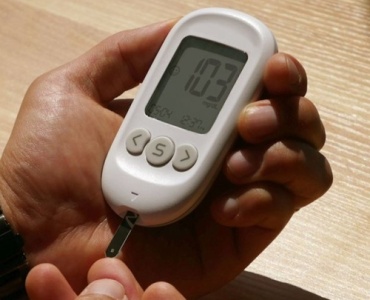
- Optional: Blood ketones or breath acetone if you enjoy data-driven keto diet insights.
If progress stalls, revisit carbs, portions, and meal timing. Strategic fasting can complement the keto diet, but it’s optional and should feel supportive—not stressful.
keto diet side effects and safety
Most keto diet side effects are temporary and manageable, especially with hydration and electrolytes. Early on, some experience “keto flu” (fatigue, headache, brain fog). This is often a sign to increase sodium, sip broth, and rest. As your body adapts, these symptoms usually fade, and the keto diet becomes easier.
- Electrolyte balance: Salt your food, consider magnesium at night, and include potassium-rich low-carb veggies to steady the keto diet transition.
- Digestive adjustments: Add leafy greens and non-starchy vegetables to keep the keto diet fiber-friendly.
- Training tweaks: Intense exercise may dip temporarily; ease back in as your keto diet adaptation improves.
If you have a medical condition or take medications, consult a professional before starting the keto diet. Tailoring the keto diet to your unique health context is smart and safer.
How to manage social life, dining out, and travel
The keto diet can fit real life with a little planning. Scan menus for protein-forward, low-carb plates, ask for substitutions, and carry backup snacks for flights or long meetings. Communicate your goals without apologizing—your keto diet is your choice, and most restaurants are happy to help.
- Dining out: Order burgers without buns, swap fries for salad, ask for olive oil and lemon.
- Travel: Pack nuts, jerky, cheese sticks, or dark chocolate (85%) to support your keto diet.
- Events: Eat a protein-forward meal beforehand so the keto diet feels effortless in social settings.
Making the keto diet sustainable
Long-term success with the keto diet comes from consistency, not perfection. Embrace the 80/20 mindset: most of your meals follow your plan, and you give yourself grace when life gets busy. The keto diet is a tool—adapt it to seasons, training cycles, and changing goals.
Periodically, some find that cycling carbs around workouts or using strategic refeeds improves performance. If you experiment, return to your baseline keto diet afterward and pay attention to how you feel.
Frequently asked questions
Will I lose weight fast on the keto diet?
Early changes often come from water loss as glycogen drops. Sustainable fat loss on the keto diet follows consistent habits, protein adequacy, and calorie awareness. Focus on keto diet results like better energy, appetite control, and body composition, not just the scale.
Can I build muscle on the keto diet?
Yes—with sufficient protein, progressive resistance training, and adequate calories, the keto diet can support muscle growth. Some athletes time carbs around training, but many lift effectively while fully keto.
Is dairy required on the keto diet?
No. The keto diet works with or without dairy. If you’re sensitive, use olive oil, coconut products, nuts, seeds, and avocado for fat sources.
How do I handle cravings on the keto diet?
Cravings often decrease within two weeks on the keto diet. In the meantime, prioritize protein at each meal, stay hydrated, and use satisfying keto diet recipes with rich flavors to make the plan enjoyable.
Putting it all together: your next steps
Here’s a simple roadmap to make the keto diet actionable right now:
- Step 1: Clean out your pantry and list keto diet foods to avoid.
- Step 2: Shop for the 7-day keto diet meal plan and pick two keto diet recipes to batch-cook.
- Step 3: Start light keto diet tracking: daily carbs, protein, water, and a weekly progress check.
- Step 4: Use these keto diet tips to iterate: prioritize electrolytes, whole foods, and movement.
- Step 5: Personalize—try a vegetarian keto diet day, new spices, or a different protein source to keep the keto diet fun.
Final word: The keto diet thrives on simplicity: consistent protein, colorful low-carb vegetables, and healthy fats. With a realistic plan, smart keto diet tracking, and a handful of reliable keto diet recipes, you can build an easy keto diet that supports health, confidence, and long-term results.