The Ultimate Guide to a Low Sodium Diet will help you confidently reduce salt without sacrificing satisfaction. Whether you’re navigating high blood pressure, supporting heart health, or simply aiming to feel your best, this step-by-step resource shows you how to make a low sodium diet not only achievable but enjoyable.
In the pages below, you’ll find the proven benefits of low sodium diet strategies, a practical low sodium foods list, flavor-first cooking methods, a flexible low sodium meal plan, smart low sodium snacks, and actionable advice on how to start a low sodium diet today.
What Is a Low Sodium Diet?
A low sodium diet is an eating approach that limits sodium—primarily from salt—to support heart, kidney, and overall health. In everyday terms, it means choosing minimally processed foods, cooking with herbs and acids for flavor, and being mindful of labels. Most health guidelines encourage keeping daily sodium below 2,300 mg, with an ideal target of 1,500–2,000 mg for individuals with high blood pressure or cardiovascular risk. A thoughtfully designed low sodium diet helps lower fluid retention and reduces stress on blood vessels and the heart.
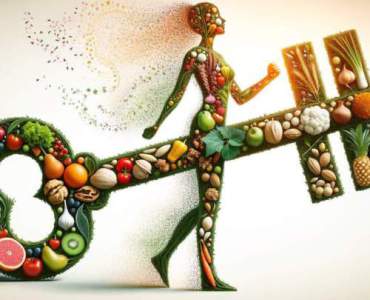
Because more than 70% of dietary sodium comes from packaged and restaurant foods, the cornerstone of a low sodium diet is building meals around whole ingredients: vegetables, fruits, beans, legumes, fish, poultry, whole grains, nuts, seeds, and low-sodium dairy or fortified alternatives. When the default is whole food, a low sodium diet becomes a flavorful routine rather than a restrictive plan.
Health Benefits: Why a Low Sodium Diet Matters
The benefits of low sodium diet habits are both immediate and long-term. By reducing dietary sodium, you may notice less bloating and better energy within days, while the cumulative impact supports lasting heart and vascular health. A consistent low sodium diet can help:
- Lower blood pressure: Excess sodium draws water into the bloodstream, increasing pressure against artery walls. Reducing sodium through a low sodium diet supports more relaxed, responsive vessels.
- Protect heart health: A low sodium diet for heart health reduces strain on the heart and supports healthier circulation, especially when paired with high-fiber, potassium-rich foods.
- Support kidney function: Kidneys regulate sodium balance; lowering sodium reduces their workload.
- Decrease stroke risk: Over time, a low sodium diet may reduce stroke risk by helping maintain healthier blood pressure.
- Reduce water retention: Less fluid retention can mean less swelling in fingers, ankles, and legs.
For many, the practical benefits of low sodium diet changes also include rediscovering the natural flavors of food. As taste buds adapt over a few weeks, the subtle sweetness of tomatoes, the brightness of citrus, and the umami richness of mushrooms shine—making a low sodium diet naturally satisfying.
How to Start a Low Sodium Diet
Starting a low sodium diet is easier with a plan. Begin with small, strategic changes that add up. This simple framework shows you how to start a low sodium diet without overwhelm.
Step 1: Set a Sodium Target
Most people do well aiming between 1,500–2,000 mg daily. If you’ve been consuming far more, taper down over two to four weeks. A measured approach helps your palate adjust and makes a low sodium diet feel sustainable.
Step 2: Audit Your Kitchen
- Check labels and highlight high-sodium staples (soup, sauces, deli meats, pickles, instant meals).
- Stock no-salt-added beans, low-sodium broths, whole grains, frozen vegetables, and herbs.
- Keep citrus, vinegars, garlic, onions, and spice blends on hand; they are flavor powerhouses for a low sodium diet.
Step 3: Switch Out Salt-Heavy Foods
- Swap deli turkey for roasted chicken breast or tofu.
- Choose no-salt-added canned tomatoes and beans.
- Use unsalted nuts and seeds; season at the table with herbs, not salt.
Step 4: Cook More at Home
Restaurant meals are a major sodium source. Cooking at home lets you control seasoning and portion size, a central strategy in any low sodium diet.
Step 5: Track and Tweak
Use a food log app or a simple note to monitor sodium for one to two weeks. This accountability helps calibrate your low sodium diet to your needs.
Your Low Sodium Foods List
This practical low sodium foods list emphasizes nutrient density, flavor, and flexibility. Build your low sodium diet around these staples:
- Vegetables: Leafy greens, broccoli, bell peppers, tomatoes, cucumbers, cauliflower, mushrooms, carrots, sweet potatoes, zucchini.
- Fruits: Berries, citrus, apples, pears, bananas, melon, stone fruit, grapes, kiwi.
- Proteins: Fresh fish, skinless chicken, turkey, lean pork, eggs, tofu, tempeh, edamame, no-salt-added beans and lentils.
- Whole grains: Oats, brown rice, quinoa, barley, whole wheat pasta (check labels), farro.
- Dairy and alternatives: Low-sodium yogurt, milk, unsweetened soy or almond milk; choose cheeses labeled lower sodium and use sparingly.
- Healthy fats: Olive oil, avocado, unsalted nuts and seeds, nut butters without added salt.
- Flavor boosters: Garlic, onion, scallions, ginger, citrus zest and juice, vinegars (balsamic, red wine, apple cider), pepper, smoked paprika, cumin, coriander, Italian herbs, no-salt-added spice blends.
With this low sodium foods list, you can assemble fast meals that keep your low sodium diet interesting and nutrient-rich.
A Low Sodium Diet for Heart Health
A low sodium diet for heart health centers on lowering the sodium-to-potassium ratio. Potassium-rich foods—like leafy greens, beans, potatoes, tomatoes, bananas, and yogurt—help counterbalance sodium’s effects and support normal blood vessel function. When combined with fiber and omega-3 fats from fish, nuts, and seeds, a low sodium diet becomes a powerful heart-supportive pattern.
Many people pair a low sodium diet with DASH-style eating: abundant vegetables and fruits, moderate low-fat dairy, lean proteins, and whole grains. This synergy supports blood pressure, cholesterol balance, and overall cardiovascular resilience.
Low Sodium Diet Plan for Hypertension
A low sodium diet plan for hypertension focuses on predictable, balanced meals and consistent seasoning habits. Consider the following structure to anchor your low sodium diet:
- Breakfast: Whole grains + fruit + protein (e.g., oatmeal with berries and a dollop of plain yogurt).
- Lunch: Vegetables + lean protein + fiber-rich carbs (e.g., quinoa bowl with roasted vegetables and chickpeas).
- Dinner: Half plate vegetables + high-quality protein + whole grain or starchy vegetable.
- Snacks: Unsalted nuts, fruit, yogurt, hummus with vegetables.
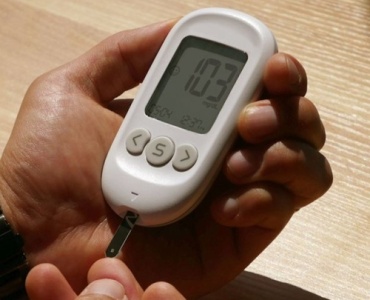
To sustain a low sodium diet, monitor your blood pressure weekly, stay hydrated, and incorporate daily movement. Discuss medication adjustments with your clinician as needed; diet and lifestyle improvements can change your requirements over time.
Low Sodium Diet Tips You’ll Actually Use
Practical low sodium diet tips ensure everyday success. These strategies make a low sodium diet flavorful and fuss-free:
- Shop smarter: Compare labels—aim for 140 mg sodium or less per serving for “low sodium.” Choose “no salt added” versions when available.
- Season in layers: Start with aromatics (onion, garlic), add acids (lemon, vinegar), finish with fresh herbs.
- Use umami wisely: Mushrooms, tomatoes, nutritional yeast, and a drizzle of toasted sesame oil add depth without extra sodium.
- Rinse and soak: Rinse canned beans and vegetables to reduce sodium. Consider briefly soaking olives or capers and using sparingly.
- Be condiment-savvy: Many sauces are sodium-heavy; use low-sodium or make your own. Measure instead of free-pouring.
- Dining out: Request sauces on the side, choose grilled/steamed items, and ask for no added salt; this preserves your low sodium diet even at restaurants.
Low Sodium Recipes: Flavor-First Ideas
These low sodium recipes highlight bright flavors and simple techniques that align with a low sodium diet. Sodium values are estimates and depend on specific products used.
1) Lemon-Garlic Quinoa with Greens and Chickpeas
- Ingredients: Quinoa, low-sodium broth or water, olive oil, garlic, chopped kale or spinach, no-salt-added chickpeas, lemon zest and juice, black pepper, chopped parsley.
- Method: Cook quinoa; sauté garlic and greens; fold in chickpeas, lemon, pepper, and herbs. Taste and brighten with more lemon if desired.
2) Herb-Crusted Salmon with Roasted Vegetables
- Ingredients: Salmon fillets, olive oil, minced garlic, dill, parsley, lemon slices, black pepper; mixed vegetables (carrots, broccoli, cauliflower).
- Method: Roast vegetables; bake salmon with herb paste and lemon. Serve with a squeeze of lemon over everything to amplify flavor while keeping to a low sodium diet.
3) Tomato-Basil White Bean Skillet
- Ingredients: Olive oil, onion, garlic, no-salt-added crushed tomatoes, cannellini beans, basil, red pepper flakes, balsamic vinegar.
- Method: Sauté aromatics; simmer tomatoes and beans; finish with basil and a splash of balsamic for depth. A crust of whole grain bread complements this low sodium diet staple.
4) Citrus-Ginger Chicken Lettuce Wraps
- Ingredients: Ground chicken or turkey, ginger, garlic, scallions, diced bell peppers, orange zest and juice, rice vinegar, toasted sesame oil (small amount), butter lettuce.
- Method: Sauté aromatics; cook chicken; finish with citrus and vinegar; spoon into lettuce leaves. A quick win for busy low sodium diet nights.
Low Sodium Snacks That Satisfy
Smart low sodium snacks prevent energy dips and overeating later. Mix and match these options to keep your low sodium diet on track:
- Unsalted almonds, pistachios, or walnuts + a piece of fruit.
- Plain yogurt with berries and a sprinkle of cinnamon.
- Hummus (low-sodium or homemade) with sliced cucumbers and peppers.
- Apple slices with unsalted peanut or almond butter.
- Roasted chickpeas (no-salt-added seasoning) with smoked paprika and garlic powder.
- Veggie sticks with avocado-lime dip.
7-Day Low Sodium Meal Plan (Your Low Sodium Diet Menu)
Use this flexible low sodium meal plan as a template. Adjust portions, produce, and proteins to fit your preferences. This doubles as a practical low sodium diet menu for busy weeks and supports a sustainable low sodium diet.
Day 1
- Breakfast: Oatmeal with blueberries, chia seeds, and a splash of milk.
- Lunch: Quinoa bowl with roasted vegetables and lemon-tahini (no-salt-added) dressing.
- Dinner: Herb-crusted salmon, steamed green beans, and brown rice.
- Snack: Yogurt with sliced strawberries.
Day 2
- Breakfast: Greek yogurt parfait with peaches and unsalted walnuts.
- Lunch: Tomato-basil white bean skillet with whole grain toast.
- Dinner: Citrus-ginger chicken lettuce wraps with shredded carrots.
- Snack: Apple with unsalted almond butter.
Day 3
- Breakfast: Scrambled eggs with spinach, tomatoes, and pepper; slice of whole grain toast.
- Lunch: Mixed greens with quinoa, edamame, cucumbers, and lemon-vinegar dressing.
- Dinner: Baked cod with roasted sweet potatoes and broccoli.
- Snack: Roasted no-salt chickpeas.
Day 4
- Breakfast: Smoothie (spinach, banana, berries, unsweetened soy milk, flaxseed).
- Lunch: Lentil soup (no-salt-added broth) with side salad.
- Dinner: Turkey meatballs in tomato sauce (no-salt-added) over whole wheat pasta.
- Snack: Carrots and cucumbers with hummus.
Day 5
- Breakfast: Overnight oats with pear, cinnamon, and pumpkin seeds.
- Lunch: Avocado and white bean mash on whole grain toast with cherry tomatoes.
- Dinner: Stir-fry tofu with mixed vegetables, ginger, garlic, and a splash of rice vinegar over brown rice.
- Snack: Cottage cheese (lower-sodium) with pineapple.
Day 6
- Breakfast: Yogurt bowl with raspberries, granola (low sodium), and hemp seeds.
- Lunch: Chickpea salad with cucumbers, red onion, parsley, lemon, and olive oil.
- Dinner: Grilled chicken, quinoa pilaf with herbs, and roasted Brussels sprouts.
- Snack: Orange and a handful of unsalted pistachios.
Day 7
- Breakfast: Veggie omelet with mushrooms, peppers, and onions; sliced avocado.
- Lunch: Tuna (no-salt-added) and white bean salad with lemon and dill.
- Dinner: Baked chicken thighs with rosemary, cauliflower mash, and sautéed kale.
- Snack: Pear with a few squares of dark chocolate.
This low sodium diet menu emphasizes flexibility. Swap the dinners or lunches across days, double recipes for leftovers, and customize flavors with herbs and citrus to keep your low sodium diet vibrant and satisfying.
Dining Out and Social Events on a Low Sodium Diet
Eating out while maintaining a low sodium diet is possible with a few simple strategies:
- Preview menus online and identify grilled, steamed, or baked options.
- Ask for your food to be cooked without added salt; request sauces and dressings on the side.
- Choose simple sides like baked potato (no salt) or steamed vegetables.
- Split sodium-dense items with a friend and balance with a low-sodium starter or salad.
Common Pitfalls and How to Avoid Them
- Hidden sodium in condiments: Ketchup, soy sauce, and salad dressings can overwhelm a low sodium diet. Use lower-sodium versions or make your own.
- Portion creep: Even low-sodium foods add up. Measure dressings and sauces to stay aligned with your low sodium diet.
- Flavor fatigue: Rotate herbs and acids, try new cuisines, and keep exploring low sodium recipes to keep your taste buds excited.
FAQs About a Low Sodium Diet
Do I need to avoid all salt?
No. A sustainable low sodium diet focuses on minimizing added sodium and choosing lower-sodium products. A pinch of salt in a whole-food meal can still fit your daily target.
Are salt substitutes safe?
Potassium-based substitutes can support a low sodium diet, but they aren’t for everyone—especially people with kidney issues or those on certain medications. Check with your healthcare provider before using them.
Can athletes follow a low sodium diet?
Active people who sweat heavily may need more sodium, particularly in hot climates or during endurance events. A personalized plan can help you balance performance with the goals of a low sodium diet.
Putting It All Together: Your Personalized Approach
When you align your pantry, palate, and daily routine, a low sodium diet becomes second nature. Start with the low sodium foods list, lean on the low sodium diet tips, cook through the low sodium recipes, and follow the 7-day low sodium meal plan to build momentum. If you manage high blood pressure, use the low sodium diet plan for hypertension structure as your base and check your readings regularly.
The real key is consistency. Over a few weeks, taste buds recalibrate, your confidence grows, and the benefits of low sodium diet changes compound—better energy, lighter feeling, steadier blood pressure, and long-term cardiovascular support. With thoughtful choices and flavorful cooking, your low sodium diet can be both healthful and delicious.