
Modern wellness seekers want results without extreme deprivation. The fasting mimicking diet promises a science-backed middle ground: the cellular benefits of fasting while still eating carefully crafted meals. This in-depth guide explains what is fasting mimicking diet, why it matters, the benefits of fasting mimicking diet for metabolism and aging, how it compares to popular protocols, and a complete fasting mimicking diet plan you can discuss with your healthcare provider. You will also find evidence-informed fasting mimicking diet foods, simple recipes, expected results, and a clear roadmap to get started safely.
What Is the Fasting Mimicking Diet?
The fasting mimicking diet is a short, structured eating protocol designed to recreate the cellular and metabolic state of a water-only fast while still allowing small amounts of food. In simple terms, it aims to trick nutrient-sensing pathways so your body behaves as if it is fasting. If you have wondered exactly what is fasting mimicking diet and why so many clinicians and biohackers reference it, the key is its unique macronutrient design: low protein, low to moderate carbohydrate, and high healthy fat, combined with caloric restriction over several consecutive days.
While people often link the fasting mimicking diet to a popular commercially available program, the broader concept is not tied to any single brand. At its core, the protocol typically spans 3 to 5 days, with a calorie intake that starts higher on day 1 and then stays low for the remaining days. The goal is to hover below thresholds that activate growth and storage pathways while nudging the body into a maintenance and repair mode associated with fasting.
Fasting Mimicking Diet Science
The fasting mimicking diet science centers on nutrient-sensing mechanisms such as IGF-1 signaling, mTOR, AMPK, and autophagy. Early human trials and a large body of preclinical research suggest that periodic cycles of a fasting mimicking diet may support reductions in IGF-1, improvements in insulin sensitivity, favorable shifts in cholesterol and triglycerides, and markers consistent with cellular cleanup. While more large, diverse, long-term human trials are needed, existing evidence is promising and consistent with known effects of caloric restriction and intermittent fasting.
In preclinical studies, short cycles of a fasting mimicking diet have been associated with improved metabolic resilience and signs of regeneration in certain tissues. In early human studies, participants following a recurring monthly fasting mimicking diet cycle observed improvements in weight, body fat, blood pressure, and markers like CRP. These findings do not mean the fasting mimicking diet is a cure-all; rather, they point to a practical tool that can complement a healthy lifestyle when used responsibly.
Fasting Mimicking Diet vs Intermittent Fasting
When comparing the fasting mimicking diet vs intermittent fasting, the main difference is structure and intent. Intermittent fasting is an eating schedule that alternates between periods of eating and not eating, such as 16:8 or 5:2 patterns. The fasting mimicking diet is a multi-day, low-calorie, low-protein, high-fat plan engineered to keep the body in a fasted-like state despite some food intake.
- Structure: Intermittent fasting centers on time, while the fasting mimicking diet centers on food composition and reduced calories over consecutive days.
- Goal: Many use intermittent fasting for simplicity and weight control. The fasting mimicking diet is often used to target cellular maintenance pathways and metabolic markers.
- Flexibility: Intermittent fasting can be adopted daily. The fasting mimicking diet is typically done periodically, for example 3 to 5 days per month or quarterly, depending on goals and medical guidance.
Some people even combine both: they maintain an intermittent fasting routine most days and use a periodic fasting mimicking diet to trigger deeper cellular benefits. Always consult a clinician before combining strategies.
The Benefits of Fasting Mimicking Diet
The benefits of fasting mimicking diet protocols appear to span metabolism, energy, and healthy aging. Although results vary and are not guaranteed, these are the commonly discussed advantages linked to the fasting mimicking diet in early research:
- Metabolic support: Periodic cycles of the fasting mimicking diet may help improve insulin sensitivity and reduce fasting glucose in some individuals.
- Cardiometabolic markers: Some participants report improved triglycerides, LDL particle patterns, and blood pressure after repeated cycles of the fasting mimicking diet.
- Cellular maintenance: The low-protein, low-calorie nature of the fasting mimicking diet may encourage autophagy-related processes and mitochondrial efficiency.
- Body composition: Many people see fasting mimicking diet weight loss, particularly reductions in abdominal fat, when paired with a whole-food lifestyle between cycles.
- Energy and mental clarity: Some users of the fasting mimicking diet anecdotally report stable energy and improved focus, especially on days 3 to 5 as the body adapts.
While the benefits of fasting mimicking diet cycles are promising, it is crucial to apply them safely and personalize frequency. Always discuss your plans for a fasting mimicking diet with a qualified healthcare professional, particularly if you have a medical condition or take medication.
Fasting Mimicking Diet for Longevity
Interest in a fasting mimicking diet for longevity stems from research on nutrient sensing and caloric restriction. Lower IGF-1 signaling, better metabolic flexibility, and improved inflammatory markers are all features associated with healthier aging. The fasting mimicking diet may support these processes by creating periodic windows where growth pathways are dialed down and repair pathways are dialed up. While no diet guarantees longevity, the fasting mimicking diet can be a strategic part of a comprehensive plan that includes strength training, sleep hygiene, stress management, and whole-food nutrition.
Who Should Consider the Fasting Mimicking Diet?
The fasting mimicking diet can be appealing to people who want deeper benefits than standard calorie cutting without full-time fasting. It may suit those who appreciate structure and want a clear, time-limited protocol that promotes metabolic rest. It can also work for people who find water-only fasts too difficult or risky. However, the fasting mimicking diet is not right for everyone and should be supervised in medically complex situations.
- Potential candidates: Generally healthy adults interested in metabolic health, body recomposition, or healthy aging may consider a periodic fasting mimicking diet.
- Use with caution: People with diabetes, those on glucose-lowering or blood pressure medications, individuals with a history of eating disorders, and anyone pregnant, breastfeeding, underweight, or recovering from surgery should not start a fasting mimicking diet without medical guidance. In some cases, it may be contraindicated.
Always get personalized advice before attempting a fasting mimicking diet, particularly if you have any chronic conditions.
A Practical Fasting Mimicking Diet Plan
A typical fasting mimicking diet plan lasts 5 days. The first day is higher in calories, often around 1,000 to 1,100 calories, while days 2 to 5 are lower, often around 700 to 800 calories. Macronutrients skew toward healthy fats, modest low-glycemic carbohydrates, and very low protein. The exact numbers vary by protocol, body size, and goals, but the intent is the same: feed the body just enough to sustain basic function while maintaining a fasting-like state.
Below is a sample educational outline for a 5-day fasting mimicking diet. It is not a medical plan, and you should adapt it with professional guidance. Stay hydrated with water, herbal tea, and black coffee if tolerated, and consider electrolytes (without added sugar) if your clinician agrees.
Day 1: Transition Into the Fasting State
- Calories: Approximately 1,000 to 1,100
- Focus: High unsaturated fats, low protein, low to moderate carbs
- Example meals: Vegetable-based soup, a small handful of nuts, olives, mixed greens with olive oil and lemon, steamed vegetables with avocado, a small portion of berries
Day 1 gently introduces the fasting mimicking diet and primes metabolic pathways without a sharp shock to the system.
Days 2–5: Maintain the Fasting-Like Zone
- Calories: Approximately 700 to 800 per day
- Focus: Keep protein low, favor healthy fats, and choose low-glycemic vegetables
- Example meals: Broth-based vegetable soups, roasted non-starchy vegetables with olive oil, small portions of nuts or seeds, olives, a limited piece of fruit, and herbal teas
These days are the heart of the fasting mimicking diet. The tight calorie range and specific macros aim to keep nutrient-sensing pathways quiet while sustaining you enough to function.
Fasting Mimicking Diet Foods
Choosing the right fasting mimicking diet foods is essential. The following list reflects the usual themes of a fasting mimicking diet and can be tailored under professional guidance:
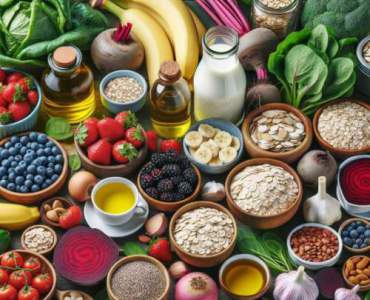
- Vegetables: Leafy greens, zucchini, mushrooms, cauliflower, broccoli, asparagus, celery, cucumber, peppers
- Fats: Extra-virgin olive oil, olives, avocado, small amounts of nuts and seeds
- Fruits: Limited portions of low-sugar options like berries, when appropriate
- Flavoring: Herbs, spices, lemon juice, vinegar, sea salt as tolerated
- Avoid: Animal protein, high-protein plant foods, grains in large quantities, sugary foods, alcohol during the fasting mimicking diet window
Hydration is non-negotiable during a fasting mimicking diet. Aim for water, herbal teas, and possibly black coffee if approved by your clinician. Avoid sweeteners that can disrupt metabolic signaling.
Fasting Mimicking Diet Recipes
Simple fasting mimicking diet recipes prioritize vegetables, broth, herbs, and healthy fats. Here are a few ideas designed for ease and compliance during a fasting mimicking diet cycle:
- Herbed vegetable broth: Simmer chopped celery, mushrooms, zucchini, and kale in vegetable broth with bay leaf and thyme. Finish with a drizzle of olive oil.
- Roasted greens and brassicas: Toss broccoli, cauliflower, and Brussels sprouts with olive oil, garlic, and lemon zest. Roast until tender and crisp.
- Avocado-citrus salad: Mix arugula, cucumber, and a few orange segments with avocado and a light olive oil and lemon dressing.
- Olive tapenade plate: Combine olives, capers, parsley, and a splash of olive oil. Serve with sliced cucumber or celery sticks.
- Spiced tomato-vegetable soup: Simmer tomatoes, onions, peppers, and herbs. Blend lightly and add a small amount of olive oil before serving.
These fasting mimicking diet recipes keep protein minimal, keep fats primarily from olives and avocado, and keep carbs low to moderate from vegetables and small fruit portions. Adjust portions to remain within your daily calorie targets for the fasting mimicking diet.
Fasting Mimicking Diet Results: What to Expect
When people ask about fasting mimicking diet results, they often want quick weight loss, better labs, and more energy. Many do experience some of these changes. The fasting mimicking diet can lead to short-term water loss early on, followed by gradual fat loss with repeated cycles. Some report improved focus by days 3 to 5 as the body shifts fuel sources. Others see better sleep or calmer digestion while on the fasting mimicking diet.
Laboratory changes take time and vary. If your clinician orders labs, they may track fasting glucose or insulin, IGF-1, lipid panels, hs-CRP, and blood pressure before and after several fasting mimicking diet cycles. It is the cumulative effect over months that matters most. Importantly, maintaining a whole-food approach between cycles amplifies fasting mimicking diet results.
Fasting Mimicking Diet Weight Loss
Many people use the fasting mimicking diet for weight control because the plan combines calorie reduction with metabolic signaling shifts. Expect modest weekly losses during the cycle and a greater trend over repeated months. The fasting mimicking diet weight loss effect tends to favor fat mass, especially when strength training and protein adequacy resume in non-fasting weeks. Avoid the temptation to overeat immediately after a fasting mimicking diet; a gradual refeed helps stabilize appetite and maintain progress.
Safety, Side Effects, and Smart Refeeds
The fasting mimicking diet is generally well tolerated by healthy adults, but mild side effects can occur: hunger, headache, fatigue, lightheadedness, cold sensitivity, or temporary sleep disruption. These often diminish with hydration, electrolytes, and gentle activity. If you feel unwell at any time on a fasting mimicking diet, stop and consult your clinician.
After the last day of a fasting mimicking diet, ease back to regular eating over 24 to 48 hours. Start with broths, cooked vegetables, and easily digested carbohydrates like sweet potato or fruit before reintroducing lean protein. A careful refeed avoids digestive upset and helps protect the benefits of your most recent fasting mimicking diet cycle.
Common Mistakes to Avoid
- Too much protein: High protein can activate growth pathways, defeating the purpose of a fasting mimicking diet.
- Hidden sugars: Sweetened drinks and snacks can spike insulin and stall a fasting mimicking diet.
- Excessive exercise: Keep movement light to moderate during a fasting mimicking diet. Save intense training for non-fasting weeks.
- Ignoring electrolytes: Low sodium, potassium, or magnesium intake can worsen side effects on a fasting mimicking diet. Ask your clinician about electrolyte support.
- Poor sleep and stress: These can blunt fasting mimicking diet results. Prioritize rest and relaxation techniques during the cycle.
Frequently Asked Questions
How often should I do a fasting mimicking diet?
Frequency depends on goals and health status. Some choose monthly cycles for several months; others do a fasting mimicking diet quarterly for maintenance. Seek medical guidance to personalize frequency.
Can I drink coffee or tea?
Unsweetened black coffee and herbal tea are commonly included in a fasting mimicking diet. If you are sensitive or it disrupts sleep or appetite, stick to herbal teas and water.
Will I lose muscle?
Short cycles of a fasting mimicking diet are not typically associated with significant muscle loss, especially when resistance training and adequate protein intake resume between cycles. Keep the active lifestyle consistent outside the fasting mimicking diet.
What about supplements?
Some protocols allow basic electrolytes and certain micronutrients; others keep supplementation minimal during a fasting mimicking diet. Work with your clinician to decide what is appropriate.
Your Roadmap: How to Start the Fasting Mimicking Diet
Use this step-by-step approach to get started with the fasting mimicking diet safely and effectively.
- Step 1: Medical check-in. Discuss the fasting mimicking diet with your healthcare provider, especially if you take medications or have medical conditions.
- Step 2: Set your goal. Decide whether you are focused on fasting mimicking diet weight loss, metabolic markers, or a longevity-oriented reset.
- Step 3: Choose your window. Start with a 5-day fasting mimicking diet when your schedule is calm, stress is low, and social demands are minimal.
- Step 4: Shop and prep. Stock the kitchen with approved fasting mimicking diet foods and prepare simple meals in advance.
- Step 5: Track and adjust. Note hunger, energy, mood, sleep, and weight throughout the fasting mimicking diet. Share observations with your clinician.
- Step 6: Refeed strategically. Transition out of the fasting mimicking diet with broths, cooked vegetables, and then lean proteins to lock in benefits.
- Step 7: Plan the next cycle. Decide on monthly or quarterly cycles of the fasting mimicking diet based on results and medical advice.
Realistic Expectations and Long-Term Strategy
The fasting mimicking diet works best as part of a bigger lifestyle strategy. Expect the first cycle to feel new and perhaps challenging, with benefits accumulating over time. Pair your fasting mimicking diet with regular strength training, walking, sunlight, and nutrient-dense whole foods between cycles. This integrated approach is more likely to sustain fasting mimicking diet results and support long-term metabolic health.
It also helps to measure what matters. If your clinician approves, track objective markers like waist circumference, body fat percentage, blood pressure, and basic blood work before and after several fasting mimicking diet rounds. Combine these data with subjective changes in energy, sleep, and mood to get a full picture.
Sample One-Day Menus Within a 5-Day Cycle
To make the fasting mimicking diet concrete, here are two simple day templates. Adjust portion sizes to align with your calorie targets and the spirit of the fasting mimicking diet.
Day 1 Template
- Breakfast: Sautéed zucchini and mushrooms in olive oil with herbs
- Lunch: Tomato and vegetable soup with olives and a small avocado
- Snack: A small handful of almonds or walnuts
- Dinner: Mixed greens with cucumber, a few berries, and olive oil dressing
Day 3 Template
- Breakfast: Herbal tea and a small bowl of steamed greens with olive oil
- Lunch: Broth-based vegetable soup with added herbs and lemon
- Snack: Olives or a few macadamias
- Dinner: Roasted cauliflower and peppers with a drizzle of olive oil
These menus illustrate the low-protein, plant-forward approach of the fasting mimicking diet. They keep meals satisfying through fiber and healthy fat while avoiding protein spikes that would interrupt the fasting mimicking diet physiology.
The Bottom Line
The fasting mimicking diet offers a compelling way to harness fasting physiology while still eating carefully designed meals. By balancing calories and macronutrients, this method can encourage metabolic flexibility, healthy weight management, and cellular maintenance. The combination of early evidence, practical structure, and periodic use makes the fasting mimicking diet a promising tool for those seeking measurable health gains.
To make the most of it, approach the fasting mimicking diet thoughtfully. Clarify your goals, consult your clinician, shop and prep wisely, and track results over multiple cycles. Whether your focus is improved lab metrics, body composition, or a fasting mimicking diet for longevity routine, a smart plan coupled with lifestyle fundamentals will amplify your outcomes.
Key Takeaways
- The fasting mimicking diet simulates fasting responses with specific foods and low calories over 3 to 5 days.
- Evidence suggests benefits for insulin sensitivity, inflammation, lipids, and body composition, though more research is needed.
- Comparing the fasting mimicking diet vs intermittent fasting, FMD is more structured and geared toward cellular maintenance pathways.
- Success depends on preparation, hydration, sleep, and an intentional refeed after the fasting mimicking diet.
- Personalize frequency and get medical guidance, especially if you have chronic conditions or take medications.
Next Steps
If you are ready to explore the fasting mimicking diet, start by speaking with your healthcare provider about your goals and health history. Then map out a month that includes a 5-day window for your first cycle, gather fasting mimicking diet foods, and follow the plan with patience. Review your fasting mimicking diet results after several cycles and adjust frequency as needed. With care and consistency, this protocol can become a reliable part of your long-term metabolic and longevity strategy.
Disclaimer
This article is for educational purposes only and does not constitute medical advice. Before starting a fasting mimicking diet or any nutrition protocol, consult a qualified healthcare professional.