Carbohydrates are not the enemy. When you choose healthy carbs, you get steady energy, fiber, and protective nutrients without the crash. This in depth guide explains what they are, why they matter, and how to enjoy them every day without sacrificing flavor or results.
Whether you want sustainable weight loss, better blood sugar control, or stronger workouts, the right choices can be the backbone of a balanced plate. From low GI options to high fiber staples and convenient snacks, you will learn practical strategies to find, cook, and combine them with confidence.
What are healthy carbs? The science in simple terms
In plain language, healthy carbs are carbohydrate rich foods that arrive with their natural fiber and structure intact. They include whole grains, legumes, vegetables, fruit, and plain dairy. Because the package contains water, fiber, vitamins, minerals, and phytonutrients, digestion is steadier and more predictable than with refined products.
Complex vs simple
Complex carbohydrates come in long chains that take time to break down. Many of the best choices are complex, especially oats, barley, beans, and lentils. Simple carbs can also be nutritious when they are part of whole foods like fruit or milk; the difference is the whole food matrix that slows absorption. In practice, healthy carbs with more fiber and intact structure digest more slowly and keep you satisfied longer.
Glycemic index and glycemic load
Two ideas complete the picture: fiber and glycemic impact. Fiber slows digestion and feeds gut microbes; the glycemic index and glycemic load describe how quickly and how much a typical portion raises blood sugar. Choosing low GI healthy carbs and watching GL helps keep energy steady throughout the day.
Whole vs refined: why the source matters
Refining removes bran and germ, stripping much of the fiber and antioxidants. Whenever possible, pick intact or minimally processed options so you capture the full benefits of healthy carbs and enjoy better texture and flavor too. That is why many diet patterns center meals around healthy carbs from whole plants.
Why your body loves healthy carbs
Healthy carbs provide accessible fuel for the brain and muscles while supporting long term health. They deliver magnesium, potassium, folate, and a range of polyphenols tied to lower risk of heart disease and some cancers. Thanks to fiber and water, high fiber healthy carbs promote fullness and help regulate appetite hormones, which can reduce overeating without rigid rules.
- Steady energy: Slower digestion prevents peaks and crashes so focus and mood remain stable.
- Digestive health: Fiber feeds beneficial microbes and supports regularity.
- Metabolic support: Nutrients like magnesium and potassium play roles in insulin sensitivity and blood pressure.
- Satiety: Volume and chewiness contribute to feeling pleasantly full on fewer calories.
When you pick healthy carbs most of the time, you set the table for consistent energy and lasting satisfaction that fits real life.
Best healthy carbs for weight loss
The best healthy carbs for weight loss are bulky, flavorful, and lower in calories per bite. Think non starchy vegetables, berries, beans and lentils, and intact grains like barley, farro, and steel cut oats. These foods crowd your plate with volume, so you feel satisfied on fewer calories while still eating generously.
- Vegetables first: Leafy greens, broccoli, tomatoes, zucchini, and carrots build big, low calorie meals.
- Beans and lentils: Protein plus fiber turns these staples into slow burning fuel for soups, salads, and bowls.
- Intact whole grains: Barley, bulgur, brown rice, quinoa, and oats add chew and texture that lengthen satisfaction.
- Fruit with fiber: Apples, pears, citrus, and berries bring natural sweetness without a big calorie load.
Season boldly with herbs, spices, citrus, and tangy sauces so healthy carbs taste amazing without adding many calories.
Portion and pairing tactics
Use the plate method: half non starchy vegetables, a quarter lean protein, and a quarter healthy carbs. Add a little olive oil, nuts, seeds, or avocado to enhance flavor and stay power. Squeeze citrus, splash vinegar, or add fresh herbs to brighten bowls without extra calories.
Low energy density wins
Build meals around high volume produce and broth based soups so that starches and grains take up less real estate on the plate while still delivering comfort. Cooking grains with extra water and piling on roasted mushrooms is an easy way to increase the portion size for the same calories.
Healthy carbs for diabetics
You do not have to give up favorite foods to manage blood sugar. Focus on portion awareness, food quality, and meal timing to make healthy carbs work for you. A registered dietitian can personalize a plan to your medications and goals.
Low GI healthy carbs
- Intact grains: Barley, bulgur, steel cut oats, quinoa, and wild rice are reliable low GI healthy carbs with great texture.
- Legumes: Chickpeas, lentils, and beans blunt glucose spikes and are excellent healthy carbs for diabetics at most meals.
- Whole fruit: Apples, pears, berries, and oranges tend to be lower GI healthy carbs when enjoyed in their natural form.
Combine these foods with protein and fat to slow absorption. Eggs with oats, tofu with brown rice, and Greek yogurt with berries are simple pairings that can make healthy carbs more gentle on glucose.
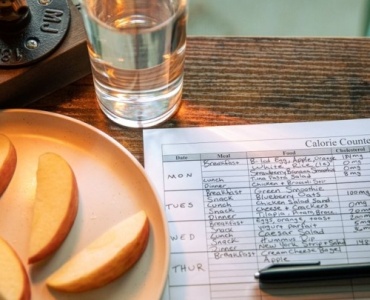
Keep a quick food and symptom log to note which healthy carbs feel best for you and what portion sizes fit your targets.
Quantity and timing
Spread intake across the day to smooth peaks and dips. Even evening portions can fit if you balance them with activity, protein, and fiber. Track your response and adjust rather than avoiding healthy carbs altogether.
Healthy complex carbs for athletes
Training intensity and recovery depend on glycogen restoration. A smart base of nutrient dense carbohydrate supports performance, adaptation, and immune function while keeping the gut comfortable during hard sessions.
For many athletes, healthy carbs form the backbone of both training and recovery days, adjusted up or down based on session length and intensity.
Fueling windows
- Before training: Familiar, lower fiber options like oatmeal, bananas, or rice cakes with nut butter tend to sit well and top up glycogen.
- During long efforts: Small amounts of fast carbs like dates or chews can complement a diet anchored in whole food staples.
- After training: Refill with a mix of carbs and protein. Sweet potatoes, rice, or chocolate milk with Greek yogurt deliver an effective boost for recovery.
On heavy training days, increase portions slightly and prioritize options you digest well; on rest days, scale back portions while keeping vegetables abundant.
Healthy carb sources for breakfast
Start the day strong with fiber, color, and protein so your morning meal keeps you full and focused. Breakfast is also a chance to batch cook components for later meals, saving time and money.
- Oatmeal toolkit: Chia and flax seeds, berries, and a swirl of yogurt or nut butter transform oats into a creamy, balanced bowl.
- Whole grain toast: Top with avocado and eggs or cottage cheese and tomatoes for savory, high fiber fuel.
- Yogurt parfait: Pair plain Greek yogurt with sliced apples and walnuts for a gentle glycemic rise and lasting energy.
- Smoothies: Blend spinach, frozen berries, oats, and milk for a portable option with fluids and micronutrients.
Pick one or two healthy carbs you truly enjoy in the morning, then rotate add ins for variety and micronutrient diversity.
Healthy carbs snacks for busy days
Snack smart by combining protein or fat with a portion of whole food carbohydrate. These simple healthy carb snacks bridge long gaps and prevent late day overeating without relying on ultra processed products.
- Apple with peanut butter
- Roasted chickpeas or edamame
- Whole grain crackers with hummus
- Greek yogurt with berries
- Trail mix with nuts and a few dried fruit pieces
Pack portable healthy carbs for commutes and busy schedules to avoid impulsive choices when hunger hits.
High fiber healthy carbs
Fiber is the superpower behind many benefits. Aim for a variety of soluble and insoluble sources by rotating beans, lentils, intact grains, vegetables, and fruit. When you build meals around high fiber healthy carbs, you naturally improve satiety and gut health while keeping digestion regular.
- Top picks: Lentils, black beans, chickpeas, oats, barley, raspberries, pears, artichokes, and broccoli.
- Tips: Increase slowly, sip more water, and include fermented foods to support comfortable digestion.
Over time, favoring high fiber healthy carbs can also improve cholesterol profiles and insulin sensitivity, amplifying long term health gains.
Healthy carbs for meal prep
Batch cooking saves time and money. Prepare a few staples on the weekend so balanced choices are ready to mix and match. Store cooked grains, roasted sweet potatoes, and a pot of beans in clear containers to make assembly effortless.
- Cook once, eat often: Make a big pot of quinoa or brown rice and roast a tray of root vegetables.
- Bean pot: Simmer chickpeas or lentils for soups, salads, tacos, and bowls.
- Freezer friendly: Portion cooked grains and pancakes for quick breakfasts.
- Flavor bank: Keep jars of pesto, tahini sauce, and salsa to brighten any base of grains or beans.
Label portions so healthy carbs are easy to grab and go, and keep a running list of favorite combinations on your fridge for faster decisions.
With a few containers ready, healthy carbs become the easiest building blocks for fast weeknight dinners and satisfying packed lunches.
Healthy carb recipes
Try these three quick ideas that spotlight quality and flavor without complicated steps. These healthy carbs focused meals are flexible and budget friendly, inviting endless variations from your pantry.
Sheet pan chili roasted sweet potatoes and beans
- Why it works: A mix of complex carbs, plant protein, and color creates a satisfying meal.
- How: Toss sweet potato cubes, onions, and peppers with olive oil and chili spices; roast until tender. Stir in canned black beans and lime juice. Serve with cabbage slaw and yogurt.
Oatmeal parfait with berries and Greek yogurt
- Why it works: Oats and berries deliver fiber while yogurt adds protein for staying power.
- How: Layer warm oats with cinnamon, a scoop of yogurt, mixed berries, and a sprinkle of nuts or seeds.
Barley tabbouleh power bowl
- Why it works: Chewy grains plus herbs and lemon create massive flavor with minimal effort.
- How: Toss cooked barley with tomatoes, cucumbers, parsley, mint, lemon, olive oil, and chickpeas. Top with feta or tofu.
How to incorporate healthy carbs
Use a simple sequence at each meal: pick a protein, pile on non starchy vegetables, add a portion of starch or fruit, and finish with flavor boosters. This framework makes it easy to incorporate healthy carbs while honoring preferences, culture, and budget.
- Start where you are: Swap refined bread for a whole grain version you actually like.
- Build a better bowl: Combine a grain or starchy vegetable with a legume, colorful produce, and a tasty sauce.
- Mind portions: Use your fist or a measuring cup to learn what one serving looks like, then adjust based on hunger, activity, and goals.
- Balance the plate: Include protein and fat so meals digest steadily and keep you satisfied.
Smart shopping list and easy swaps
Stock your kitchen so better choices are the default. Keep a mix of shelf stable staples, quick cook options, and freezer helpers. When your pantry and fridge are stocked, healthy carbs slide naturally into meals without extra effort.
- Grains: Oats, quinoa, brown rice, bulgur, barley, whole grain pasta, whole grain tortillas.
- Legumes: Lentils, chickpeas, black beans, kidney beans; canned or dry.
- Produce: Leafy greens, broccoli, carrots, sweet potatoes, onions, garlic, apples, pears, berries, citrus.
- Dairy and alternatives: Plain yogurt, kefir, milk, fortified soy milk.
- Flavor builders: Olive oil, vinegars, herbs, spices, tahini, nut butters, salsas.
Common myths and quick truths
- Myth: All carbs make you gain weight. Truth: Quality, portions, and overall diet pattern matter. Whole food sources can be allies.
- Myth: You must go very low carb to manage blood sugar. Truth: Many people do well choosing low GI options and balancing plates.
- Myth: Athletes should eat only pasta. Truth: Variety supports performance, recovery, and gut comfort.
Putting it all together
Build your day with a few anchors: a breakfast that features fiber and protein, a colorful lunch bowl, an afternoon snack if needed, and a satisfying dinner. When you plan ahead and keep prep simple, healthy carbs become a dependable part of a balanced, enjoyable way of eating.