
Navigating Nutrition: The Ultimate Guide to a crohns disease diet
Living well with Crohn’s requires more than avoiding trigger foods; it takes a thoughtful, flexible plan that supports your gut, meets your nutrient needs, and adapts to flare-ups and remission. A tailored crohns disease diet can help reduce symptoms, maintain energy, and fill common nutrient gaps while still letting you enjoy food. In this comprehensive guide, you will learn how to build a science-informed plan, what to eat during flares versus remission, foods to avoid with Crohn's disease, and practical strategies for shopping, cooking, and eating out with confidence.
Important note: Nutrition is highly individual with Crohn’s. Use this guide to start a conversation with your gastroenterologist and a registered dietitian. A personalized crohns disease diet should reflect your current symptoms, disease location, medications, and any nutrient deficiencies.
Why Diet Matters in Crohn’s
Crohn’s disease is a chronic, relapsing inflammatory condition of the gastrointestinal tract. While diet does not cause Crohn’s or cure it, the right crohns disease diet can help minimize triggers, support healing, and improve quality of life. Inflammation, malabsorption, and side effects from medications may increase needs for calories, protein, and key micronutrients. That is why a thoughtful crohns disease diet should blend symptom management with nutrient density.
- Inflammation and irritation: Certain foods may aggravate symptoms during flares. A gentle, low-residue approach within your crohns disease diet can calm the gut.
- Malabsorption risk: Vitamin B12, iron, vitamin D, calcium, folate, and zinc are common concerns. A strategic crohns disease diet paired with labs and supplementation can correct deficiencies.
- Energy balance: Unintended weight loss is common. A nutrient-packed crohns disease diet should emphasize adequate protein and energy-dense foods you tolerate.
Core Principles of a crohns disease diet
There is no single best diet for everyone with Crohn’s, but several principles guide a sustainable crohns disease diet:
- Personalization over perfection: Tolerance varies. Your crohns disease diet should be built around what you digest comfortably and what supports your labs and weight.
- Phased approach: Flare versus remission often demand different tactics inside a crohns disease diet.
- Nutrient density: Prioritize protein, healthy fats, and micronutrient-rich choices within your crohns disease diet to protect lean mass and bone health.
- Gentle preparation: Cooking methods like stewing, pressure cooking, and blending can make a crohns disease diet easier to tolerate.
- Data-driven decisions: Keep a food and symptom log to refine your crohns disease diet over time.
Flares vs. Remission
During flares, a calming crohns disease diet focuses on lower fiber, low-fat cooking methods, small frequent meals, and adequate hydration. In remission, you can gradually liberalize fiber and variety to reintroduce more whole foods—without losing sight of your core crohns disease diet patterns that support long-term health.
Macronutrients and Micronutrients
- Protein: Aim for 1.0–1.5 g/kg body weight daily to maintain muscle, especially if appetite is low. Eggs, tender poultry, fish, tofu, and lactose-free Greek yogurt fit well into a crohns disease diet.
- Fats: Moderate fat can be easier to tolerate; choose olive oil, avocado oil, and MCT oil as part of a crohns disease diet. If fat malabsorption is suspected, discuss pancreatic enzymes or MCT strategies with your clinician.
- Carbohydrates: Select easy-to-digest starches such as white rice, potatoes, sourdough, and ripe bananas in a flare-friendly crohns disease diet, then expand to well-cooked oats and quinoa in remission.
- Micronutrients: Vitamin D, B12, iron, calcium, folate, magnesium, and zinc are pivotal. A lab-guided crohns disease diet plus targeted supplements can prevent complications.
Choosing the best diet for Crohn's disease
There is debate about the best diet for Crohn's disease, but most evidence favors flexible patterns emphasizing minimally processed foods, sufficient protein, and personalized fiber. Mediterranean-style principles—adapted for tolerance—often mesh well with a symptom-aware crohns disease diet. Some benefit from the Crohn’s Disease Exclusion Diet (CDED) or partial enteral nutrition; others do well with a simple, consistent routine refined through a symptom journal. Whichever path you choose, integrate it into a sustainable crohns disease diet that you can maintain.
Building a Crohn's disease diet plan
A practical Crohn's disease diet plan starts with your current status, lab results, and preferences. Below are frameworks for flares and remission, all within an adaptable crohns disease diet.
Flare-Friendly Framework
- Texture: Soft, blended, peeled, well-cooked foods to reduce mechanical irritation within a crohns disease diet.
- Fiber: Lower residue, focusing on white rice, potatoes without skins, white bread or sourdough, and smooth nut butters as tolerated.
- Protein: Poached or baked fish, tender poultry, eggs, tofu, lactose-free dairy in a soothing crohns disease diet.
- Hydration: Oral rehydration solutions or broth; limit carbonation.
- Frequency: Small meals every 2–3 hours to reduce burden on the gut while keeping your crohns disease diet calorie-sufficient.
Remission Framework
- Gradual fiber increase: Slowly add cooked vegetables, peeled fruits, and then small portions of whole grains within your crohns disease diet.
- Diversity: Aim for multiple plant types weekly to build a resilient microbiome, tailored to your crohns disease diet tolerance.
- Protein quality: Fatty fish, poultry, lean red meat in moderation, soy, and lentils (well-cooked) as your crohns disease diet allows.
Foods to avoid with Crohn's disease (and smart swaps)
Common foods to avoid with Crohn's disease include items that are tough, greasy, highly processed, or very high in insoluble fiber. Since triggers vary, your crohns disease diet should be guided by your own reactions.
- Likely culprits: Deep-fried foods, ultra-spicy sauces, high-fat processed meats, popcorn, raw kale or broccoli stems, seeds, and alcohol excess may challenge a crohns disease diet.
- Possible FODMAP triggers: Onions, garlic, certain legumes, and some sweeteners can increase gas and bloating. Testing a modified low-FODMAP phase within your crohns disease diet may help identify sensitivities.
- Smart swaps: Instead of raw salads, try blended vegetable soups; instead of fried meats, bake or poach; instead of rough whole grains early on, use white rice or well-cooked oats within your crohns disease diet.
Crohn's disease anti-inflammatory diet strategies
A Crohn's disease anti-inflammatory diet emphasizes foods that may support the gut barrier and reduce inflammatory burden. Within your crohns disease diet, consider:
- Omega-3s: Fatty fish (salmon, sardines), algae-based omega-3s, and walnuts if tolerated.
- Polyphenols: Berries, olive oil, green tea, and turmeric in forms that suit your crohns disease diet texture; warm stews or smoothies can be gentle.
- Fermented foods: Lactose-free kefir, yogurt with live cultures, or small portions of sauerkraut if tolerated within your crohns disease diet.
Balance anti-inflammatory choices with digestibility; what counts is the anti-inflammatory pattern you can maintain as part of your long-term crohns disease diet.
Low fiber diet for Crohn's disease: when and how
A low fiber diet for Crohn's disease can help during flares, strictures, or after certain procedures. Within a flare-focused crohns disease diet, choose low-residue staples and advance slowly as symptoms improve.
- Go-to options: White rice, mashed potatoes, smooth nut butters, peeled ripe fruit, eggs, tender fish and poultry.
- Techniques: Peel, deseed, cook until soft, blend soups, and consider pressure cooking legumes before testing them in your crohns disease diet.
Crohn's disease recipes and meal ideas
Simple, gentle dishes can be both comforting and nourishing. Below are Crohn's disease meal ideas and Crohn's disease recipes that fit a flexible crohns disease diet. Customize textures and spices.
Breakfast
- Rice porridge with eggs: White rice simmered in broth until soft, topped with a soft-boiled egg and a drizzle of olive oil—easy on a crohns disease diet.
- Lactose-free yogurt bowl: Add ripe banana, smooth peanut butter, and a sprinkle of ground flaxseed if tolerated within your crohns disease diet.
- Oatmeal (well-cooked): Cook oats longer in water or lactose-free milk, add cinnamon and pureed applesauce for a soothing fit in a crohns disease diet.
Lunch
- Poached chicken and rice soup: Carrots and zucchini cooked until tender; a classic in a flare-friendly crohns disease diet.
- Baked salmon with mashed potatoes: A staple protein-plus-carb pairing in a balanced crohns disease diet.
- Tofu and rice noodles: Pan-steam tofu with ginger and mild broth; gentle and protein-forward for a crohns disease diet.
Dinner
- Turkey meatballs and polenta: Oven-baked meatballs with simple tomato sauce (strained if needed) over soft polenta fit many crohns disease diet plans.
- White fish with pureed vegetables: Blend carrots, squash, and olive oil into a silky puree for an easy crohns disease diet side.
- Stir-fry, steamed: Steam-cook thin-sliced chicken and peeled vegetables, finish with a splash of tamari for a gentle crohns disease diet option.
Snacks
- Ripe banana with smooth almond butter for a quick crohns disease diet boost.
- Lactose-free cottage cheese and soft pears for protein within a crohns disease diet.
- Rice cakes with avocado or hummus (well-blended) as a light crohns disease diet snack.
Crohn's disease and diet management: practical skills
Successful Crohn's disease and diet management is not just about what you eat; it is about planning, tracking, and adapting. These habits keep your crohns disease diet both effective and livable.
- Food and symptom log: Track meals, timing, stress, sleep, and symptoms to fine-tune your crohns disease diet.
- Batch cooking: Make big pots of soup, shredded chicken, and mashed sides to simplify your crohns disease diet on busy days.
- Portion strategies: Small, frequent meals stabilize energy and reduce GI load inside your crohns disease diet.
Nutritional tips for Crohn's disease
These nutritional tips for Crohn's disease help you meet goals without sacrificing comfort. Integrate them into your daily crohns disease diet.
- Hydration matters: Use electrolyte drinks during flares; weak tea and broth can also fit your crohns disease diet.
- Protein at every meal: Aim for 20–30 g per eating occasion within your crohns disease diet.
- Gentle fiber in remission: Introduce cooked carrots, squash, and oats slowly to broaden your crohns disease diet.
- Mindful fats: Choose olive oil and avocado; limit heavy fried foods that can strain a crohns disease diet.
Crohn's disease diet and supplements
A targeted approach to Crohn's disease diet and supplements can close nutrient gaps. Always confirm doses with your healthcare team. Supplements are most effective when layered onto a strong crohns disease diet.
Common Supplements
- Vitamin D: Deficiency is common; supports bone and immune health alongside your crohns disease diet.
- Vitamin B12: Especially if the ileum is affected or removed. Injections or high-dose oral forms can complement a crohns disease diet.
- Iron: Address anemia with gentle forms (e.g., iron bisglycinate) if tolerated; pair with vitamin C within your crohns disease diet.
- Calcium: Particularly if on steroids; choose citrate if lactose intolerance complicates your crohns disease diet.
- Zinc and magnesium: Replenish if labs are low or diarrhea is frequent within your crohns disease diet.
- Probiotics: Evidence is mixed for Crohn’s; some individuals report benefit. Trial them carefully within a crohns disease diet.
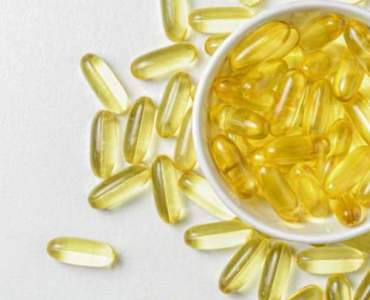
- Omega-3s: Algae or fish oil may help some; discuss dosing as part of your crohns disease diet plan.
Sample 3-Day Crohn's disease diet plan
This simple rotation illustrates how a flexible crohns disease diet can work across days. Adjust portions and textures as needed.
Day 1
- Breakfast: Rice porridge with soft egg and olive oil
- Lunch: Poached chicken, white rice, carrots
- Snack: Lactose-free yogurt, ripe banana
- Dinner: Baked salmon, mashed potatoes, pureed squash
Day 2
- Breakfast: Oatmeal (well-cooked) with applesauce
- Lunch: Tofu rice noodle bowl with ginger broth
- Snack: Rice cakes with smooth peanut butter
- Dinner: Turkey meatballs, soft polenta, strained tomato sauce
Day 3
- Breakfast: Smoothie: lactose-free kefir, ripe banana, cinnamon
- Lunch: White fish, soft zucchini, white rice
- Snack: Cottage cheese (lactose-free) and soft pear
- Dinner: Chicken stew with potatoes and carrots
Eating out and traveling on a crohns disease diet
Dining away from home is possible with a little planning. Keep your crohns disease diet priorities in mind and communicate with staff.
- Scan menus in advance: Identify baked, grilled, or steamed options that match your crohns disease diet.
- Request modifications: Ask for sauces on the side, no seeds, peeled vegetables—small tweaks keep your crohns disease diet on track.
- Pack basics: Shelf-stable snacks that align with your crohns disease diet make travel days smoother.
Label reading for a crohns disease diet
Smart label reading helps you maintain a consistent crohns disease diet and avoid surprises.
- Short ingredient lists: Fewer additives can be gentler in a crohns disease diet.
- Watch sugar alcohols: Sorbitol, mannitol, and xylitol may worsen GI symptoms; limit them in your crohns disease diet.
- Check fiber types: In a flare-focused crohns disease diet, limit insoluble fiber; in remission, reintroduce soluble sources first.
Frequently asked questions
Is there a single best diet for Crohn’s?
No single pattern works for everyone. The best diet for Crohn's disease is the one you can sustain, that manages symptoms, and meets nutrient needs. This usually means a personalized crohns disease diet refined over time.
Do I need to avoid all fiber?
Not necessarily. In flares or with strictures, a low fiber diet for Crohn's disease can help. In remission, many people tolerate cooked, soft, and soluble fibers as part of a diverse crohns disease diet.
Can supplements replace food?
Supplements fill gaps, but food-first is ideal. Use Crohn's disease diet and supplements together: a strong base crohns disease diet plus lab-guided nutrients.
What about dairy and gluten?
Some individuals feel better limiting lactose; lactose-free options can fit a crohns disease diet. Gluten is not universally problematic for Crohn’s, but if you notice patterns, a supervised trial within your crohns disease diet may clarify tolerance.
Putting it all together: your sustainable crohns disease diet
A sustainable crohns disease diet blends symptom relief, nutrient density, and real-life practicality. Start with gentle foods, layer in protein at each meal, and gradually expand variety in remission. Use a food and symptom log to fine-tune your crohns disease diet choices, and collaborate with your care team to personalize supplements and lab monitoring. Above all, be flexible—your optimal crohns disease diet will evolve as your gut heals, your schedule changes, and new preferences emerge.
With informed strategies, simple cooking tweaks, and a plan tailored to you, a well-designed crohns disease diet can help you feel better, reduce flares, and enjoy food again.