
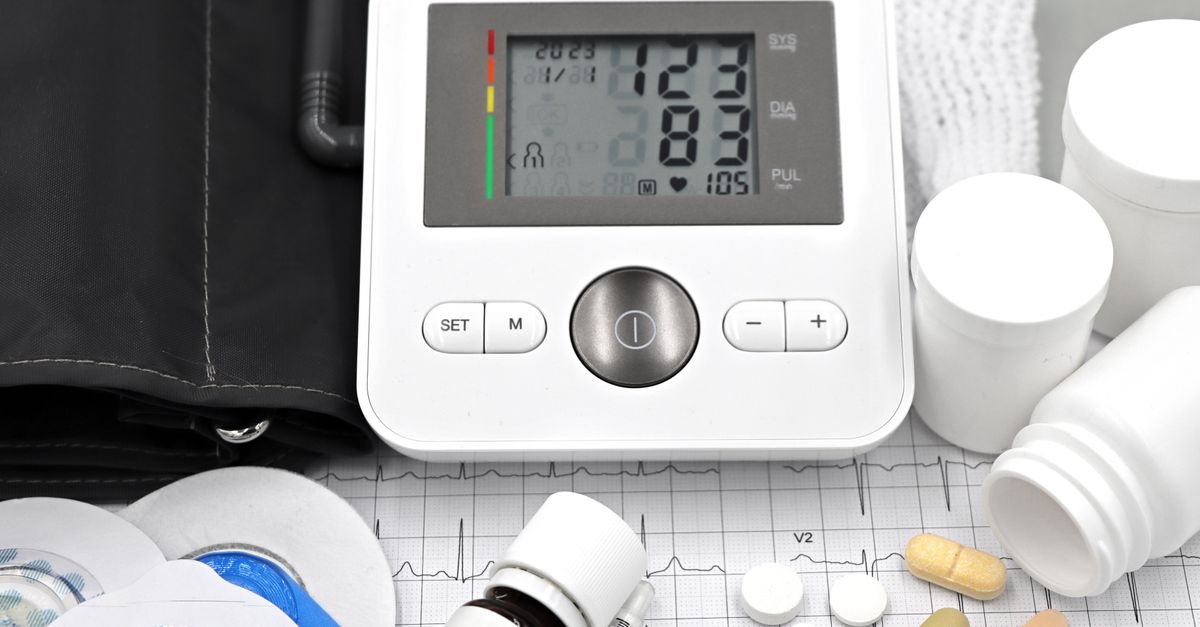
Cardiovascular disease affects hundreds of millions of people worldwide and remains the leading cause of death across many regions. Despite its widespread impact, much of cardiovascular disease is preventable, and when it occurs, it is increasingly treatable with modern therapies, lifestyle changes, and coordinated care. This in-depth guide explains the causes of cardiovascular disease, the most common symptoms of cardiovascular disease, evidence-based prevention strategies, and what it means to live well with a heart condition. You’ll also find up-to-date context on cardiovascular disease statistics and the latest research on cardiovascular disease.
Note: The information in this article is for educational purposes and is not a substitute for personalized medical advice. If you have urgent symptoms or concerns about cardiovascular disease, seek medical care promptly.
Understanding Cardiovascular Disease
Cardiovascular disease (CVD) is an umbrella term for conditions that affect the heart and blood vessels. These include coronary artery disease (narrowing of arteries supplying the heart), cerebrovascular disease (stroke and transient ischemic attacks), peripheral artery disease, heart failure, arrhythmias, and valvular diseases. While each condition is distinct, all forms of cardiovascular disease share underlying processes such as atherosclerosis (plaque build-up), inflammation, and vascular dysfunction.
Put simply, cardiovascular disease develops when the heart or blood vessels cannot deliver oxygen-rich blood efficiently to the body’s tissues. Over time, this can lead to chest pain, heart attacks, stroke, shortness of breath, leg pain on walking, or reduced exercise tolerance. Understanding these mechanisms helps explain both the causes of cardiovascular disease and the rationale behind prevention and treatment.
Major Types of Cardiovascular Disease
- Coronary artery disease (CAD): Plaques narrow heart arteries, raising risk of angina and heart attacks.
- Heart failure (HF): The heart cannot pump or fill adequately, causing fatigue and fluid overload.
- Arrhythmias: Abnormal heart rhythms (e.g., atrial fibrillation) that can cause palpitations, stroke, or weakness.
- Valvular disease: Leaky or narrowed valves that strain the heart and reduce blood flow efficiency.
- Cerebrovascular disease: Reduced or blocked blood flow to the brain, leading to stroke.
- Peripheral artery disease (PAD): Narrowed vessels in the legs leading to pain with walking and wound-healing problems.
Causes of Cardiovascular Disease
The causes of cardiovascular disease are multifactorial, blending genetics, age, biology, behaviors, and environment. Atherosclerosis typically begins silently in youth and progresses over decades. Inflammation, oxidative stress, and metabolic disturbances (such as high LDL cholesterol, high blood pressure, and insulin resistance) accelerate this process. Recognizing cardiovascular disease risk factors is the first step toward prevention and early treatment.
Non‑modifiable Cardiovascular Disease Risk Factors
- Age: Risk rises with age as arteries stiffen and cumulative exposure to risk factors increases.
- Sex and hormones: Men tend to develop cardiovascular disease earlier; postmenopausal risk in women rises as estrogen declines.
- Family history and genetics: Early heart disease in first-degree relatives raises personal risk.
- Ethnicity: Some populations experience higher burdens of cardiovascular disease due to a mix of genetic, environmental, and social factors.
Modifiable Cardiovascular Disease Risk Factors
- High LDL cholesterol: Major driver of plaque formation.
- Hypertension: Persistent high blood pressure damages vessel walls and strains the heart.
- Diabetes and insulin resistance: Promote inflammation and vascular injury.
- Smoking and vaping: Increase oxidative stress, thrombosis, and atherosclerosis.
- Physical inactivity: Weakens cardiovascular fitness and worsens metabolic health.
- Unhealthy diet: Excess sodium, added sugars, and trans or certain saturated fats elevate risk of cardiovascular disease.
- Obesity and central adiposity: Associated with dyslipidemia, high blood pressure, and diabetes.
- Excess alcohol: Raises blood pressure, triglycerides, and arrhythmia risk.
- Chronic stress and poor sleep: Affect blood pressure, inflammation, and lifestyle habits.
Emerging and Under‑recognized Drivers
- Air pollution: Fine particulates and traffic-related pollution increase risk of cardiovascular disease.
- Autoimmune and inflammatory diseases: Conditions like lupus and rheumatoid arthritis elevate risk.
- Pregnancy complications: Preeclampsia and gestational diabetes confer long-term cardiovascular disease risk.
- Social determinants: Access to care, income, education, neighborhood safety, and food environments shape risk profiles.
Symptoms of Cardiovascular Disease
Recognizing the symptoms of cardiovascular disease can save lives, especially because some signs are subtle or atypical. Symptoms vary by condition and by individual factors such as age, sex, and coexisting illnesses. For example, diabetes can blunt pain perception, and women may experience non-classic warning signs.
Common Warning Signs
- Chest discomfort: Pressure, tightness, or pain with exertion that eases with rest (possible angina).
- Shortness of breath: Especially during activity or when lying flat; may signal heart failure or ischemia.
- Palpitations or lightheadedness: Possible arrhythmia; severe episodes require urgent evaluation.
- Leg pain or cramping with walking: Could indicate peripheral artery disease.
- Swelling in legs or abdomen: A sign of fluid retention in heart failure.
- Fatigue and reduced exercise tolerance: Nonspecific but common in many forms of cardiovascular disease.
Urgent Symptoms That Need Immediate Care
- Symptoms of a heart attack: Chest pressure or pain, pain radiating to arm/neck/jaw, sweating, nausea, sudden shortness of breath.
- Symptoms of stroke: Facial droop, arm weakness, speech difficulty, sudden severe headache, loss of balance or vision.
Because cardiovascular disease can present differently across individuals, do not ignore persistent or unusual symptoms. Early evaluation improves outcomes.
Cardiovascular Disease Statistics
Understanding cardiovascular disease statistics helps put personal risk in context. Globally, cardiovascular disease is responsible for an estimated 17–20 million deaths annually, representing a leading share of mortality. In many countries, coronary artery disease and stroke top the list of causes of death. While high-income regions have seen declines due to prevention and better care, low- and middle-income countries shoulder a growing burden of cardiovascular disease.
- Prevalence: Tens of millions live with diagnosed cardiovascular disease in large countries alone, with many more undiagnosed.
- Early onset: Alarming trends show risk factors beginning in adolescence, emphasizing early prevention.
- Disparities: Outcomes vary by geography, income, race/ethnicity, and access to care, highlighting the role of social determinants.
- Economic impact: Cardiovascular disease imposes substantial direct medical costs and productivity losses for families and societies.
These cardiovascular disease statistics underscore why prevention and equitable access to treatment are public health priorities.
Diagnosis and Screening
Early detection of cardiovascular disease can prevent complications. Screening begins with a detailed history, physical examination, and assessment of cardiovascular disease risk factors, followed by targeted tests when appropriate.
Common Tests
- Blood pressure and labs: Lipid panel, blood glucose or A1C, kidney function, and sometimes inflammatory markers.
- Electrocardiogram (ECG): Assesses rhythm and evidence of prior injury or strain.
- Echocardiogram: Ultrasound to evaluate heart structure and function.
- Stress testing: Exercise or pharmacologic tests identify ischemia in suspected coronary disease.
- Coronary artery calcium (CAC) scoring: CT scan that refines risk estimates in borderline cases.
- Vascular imaging: Ultrasound for carotid arteries and legs; CT/MR angiography in selected cases.
Risk calculators combine age, sex, cholesterol levels, blood pressure, smoking, and diabetes to estimate 10-year risk of cardiovascular disease events. These tools guide the intensity of prevention efforts and the need for medications.
Cardiovascular Disease Treatment Options
Modern care offers a spectrum of cardiovascular disease treatment options tailored to the individual. Management typically blends lifestyle changes, medications, and procedures when necessary. The goal is to reduce symptoms, prevent events like heart attacks or stroke, and improve quality and length of life.
Lifestyle Foundations
- Nutrition: Heart-healthy patterns (see section on cardiovascular disease and diet) lower risk and support weight and blood pressure control.
- Physical activity: Regular movement (see cardiovascular disease and exercise) improves fitness and vascular health.
- Smoking cessation: Stopping tobacco use dramatically reduces risk within months to years.
- Sleep and stress: Prioritizing sleep quality and stress management supports cardiovascular health.
Medications
- Lipid-lowering therapy: Statins are first-line for many; ezetimibe and PCSK9 inhibitors can be added for higher-risk patients.
- Blood pressure control: ACE inhibitors, ARBs, calcium channel blockers, thiazides, and others reduce event risk.
- Antiplatelet/anticoagulant therapy: Aspirin or other agents in specific scenarios (e.g., prior stent, atrial fibrillation) to prevent clots.
- Diabetes medications with heart benefits: SGLT2 inhibitors and GLP‑1 receptor agonists reduce cardiovascular events in eligible patients.
- Heart failure therapies: Guideline-directed combinations (e.g., ARNI, beta-blockers, mineralocorticoid antagonists, SGLT2 inhibitors) improve survival and symptoms.
- Antiarrhythmics and rate control: Tailored to rhythm type and patient profile.
Procedures and Devices
- Revascularization: Percutaneous coronary intervention (stents) or coronary artery bypass grafting for severe blockages.
- Valve repair or replacement: Surgical or catheter-based approaches for significant valve disease.
- Electrophysiology: Ablation for arrhythmias; devices such as pacemakers or defibrillators for high-risk patients.
- Cardiac rehabilitation: Structured programs that blend exercise, education, and support to improve outcomes after major events.
Individualized plans, built around personal preferences, comorbidities, and goals, are central to effective cardiovascular disease care.
Cardiovascular Disease and Diet
Nutrition is a cornerstone of heart health. The right diet reduces blood pressure, improves cholesterol, supports weight management, and lowers inflammation—all key pathways in cardiovascular disease. Rather than obsessing over single nutrients, focus on overall patterns that align with long-term adherence.
Core Principles
- Emphasize plants: Vegetables, fruits, legumes, whole grains, nuts, and seeds deliver fiber, potassium, and phytonutrients that protect against cardiovascular disease.
- Choose healthy fats: Prioritize unsaturated fats (olive oil, avocado, nuts, fatty fish) and limit trans fats and excess saturated fats.
- Reduce sodium: Lowering sodium helps control blood pressure, a major driver of cardiovascular disease.
- Limit added sugars and refined carbs: These worsen triglycerides and insulin resistance.
- Adequate protein: Include fish, beans, lentils, yogurt, and lean poultry; plant-forward options are cardioprotective.
Evidence-Based Patterns
- Mediterranean-style diet: Linked to lower events in cardiovascular disease, rich in olive oil, vegetables, legumes, whole grains, and fish.
- DASH diet: Designed to lower blood pressure; abundant in produce and low-fat dairy; limits sodium and red meat.
- Portfolio diet: Emphasizes cholesterol-lowering foods (soluble fiber, soy, nuts, plant sterols).
Practical Tips
- Fill half your plate with colorful vegetables; add fruit for dessert.
- Swap refined grains for whole grains like oats, quinoa, and brown rice.
- Choose fish (especially oily fish) 1–2 times per week.
- Use olive oil instead of butter where feasible.
- Cook at home more often to manage sodium and portion sizes.
When thinking about cardiovascular disease and diet, personalization matters—cultural preferences, budget, and health conditions all shape the best plan for you.
Cardiovascular Disease and Exercise
Physical activity is one of the most powerful tools to prevent and manage cardiovascular disease. Regular movement lowers blood pressure, improves insulin sensitivity, raises HDL cholesterol, reduces stress, and strengthens the heart muscle.
How Much and What Kind?
- Aerobic activity: Aim for at least 150 minutes of moderate or 75 minutes of vigorous activity weekly, as tolerated.
- Resistance training: 2–3 sessions per week targeting major muscle groups supports metabolic health.
- Flexibility and balance: Yoga or stretching improves mobility and reduces injury risk.
If you already have cardiovascular disease, ask your clinician about safe starting points and consider supervised cardiac rehabilitation. Thoughtful progression helps minimize risk and maximize benefits when planning cardiovascular disease and exercise routines.
Cardiovascular Disease Prevention Methods
Effective cardiovascular disease prevention methods combine healthy living, appropriate screening, and evidence-based therapy where indicated. Think of prevention as a lifelong process that evolves with your age and risk profile.
Primary Prevention: Before Disease Strikes
- Know your numbers: Track blood pressure, cholesterol, blood sugar, and weight.
- Don’t smoke: Avoid tobacco and minimize exposure to secondhand smoke.
- Eat for your heart: Follow the diet strategies above to lower risk of cardiovascular disease.
- Move regularly: Activity is protective even in short bouts throughout the day.
- Sleep 7–9 hours: Good sleep supports hormonal and metabolic balance.
- Manage stress: Mindfulness, counseling, and social connection can improve heart health.
- Stay up to date on vaccines: Respiratory infections can transiently raise cardiac risk.
Secondary Prevention: After Diagnosis or an Event
- Adhere to medications: Consistency prevents heart attacks and stroke in established cardiovascular disease.
- Rehabilitation: Cardiac rehab reduces readmissions and improves quality of life.
- Risk-factor optimization: Maintain target blood pressure, LDL cholesterol, and glucose levels.
- Follow-up care: Regular visits help adjust therapies and monitor progress.
Whether primary or secondary, the most successful cardiovascular disease prevention methods are those you can sustain long term.
Living with Cardiovascular Disease
With modern care, many people are living with cardiovascular disease for decades while maintaining a high quality of life. Success comes from a partnership between you, your support network, and your care team.
Everyday Strategies
- Build routines: Regular times for medications, meals, sleep, and activity.
- Monitor at home: Track blood pressure, weight (for heart failure), symptoms, and activity.
- Know your action plan: Understand when to call your clinician for symptom changes.
- Support mental health: Anxiety and depression are common in cardiovascular disease and deserve attention.
- Lean on your community: Family, friends, peer groups, and rehabilitation teams help sustain healthy habits.
Communication is essential. Bring questions to appointments, discuss side effects, and align your care plan with your goals and values. That empowerment is central to living with cardiovascular disease effectively.
Latest Research on Cardiovascular Disease
The latest research on cardiovascular disease continues to transform prevention and care. Advances in medications, devices, digital health, and population strategies offer new hope for reducing the global burden of cardiovascular disease.
Therapeutic Innovations
- New lipid-lowering agents: PCSK9 inhibitors and siRNA-based therapies (e.g., inclisiran) further reduce LDL cholesterol in high-risk patients.
- Cardiometabolic agents: SGLT2 inhibitors and GLP‑1 receptor agonists improve outcomes beyond glucose control.
- Targeting inflammation: Select anti-inflammatory approaches show promise in reducing recurrent events in selected populations.
Technology, Data, and Equity
- Wearables and remote monitoring: Help track rhythms, activity, and early warning signs of decompensation.
- Imaging and biomarkers: Improved risk stratification allows more precise treatment of cardiovascular disease.
- AI and risk prediction: Emerging tools aim to personalize prevention and detect disease earlier.
- Health equity initiatives: Community-based programs and policy changes address disparities in cardiovascular disease outcomes.
Progress is accelerating, but translating discovery into everyday care requires access, affordability, and sustained support for patients and clinicians.
Putting It All Together
Cardiovascular disease is common, serious, and often preventable. By understanding cardiovascular disease risk factors, recognizing early warning signs, and embracing sustainable lifestyle changes, you can meaningfully reduce risk. When cardiovascular disease is present, timely diagnosis and tailored therapy—combined with nutrition, activity, and psychosocial support—help people live longer, fuller lives.
From cardiovascular disease statistics to the latest research on cardiovascular disease, the message is consistent: small, consistent steps compound into significant benefits. Partner with a trusted clinician, enlist your support network, and choose strategies you can sustain. Heart health is a lifelong journey—and it’s one well worth taking.