Top 10 foods high in iron to boost your health
If you are feeling a little low on energy or simply want to fine-tune your nutrition, dialing in your iron intake is a smart place to start. From savory dinners to tasty snacks, there are many foods with high iron content that fit every preference, budget, and cooking style. In this guide, you will find the most practical iron sources for a healthy diet, plus simple cooking and pairing tips that help your body absorb more from the foods high in iron you already love.
Because iron absorption depends on food combinations and timing, the most effective strategy involves variety and consistency. You will see how to turn everyday choices into foods that boost iron levels with easy vitamin C pairings, gentle cooking methods, and smart preparation. With a bit of planning, you can rely on foods high in iron for steady, sustainable progress rather than short-term fixes.
Whether you are researching foods high in iron for a family member, refreshing your own meal plan, or learning how to increase iron intake with food after a recent checkup, the ideas below are designed to be practical and delicious. Let us get straight to what to put on your plate and why it matters.
Why iron matters: types, absorption, and functions
Iron carries oxygen throughout your body, supports energy production, and helps your immune system run smoothly. You can get it from heme sources in animal foods and non-heme sources in plants and fortified items. Both can fit into a balanced plan that emphasizes foods high in iron, especially when you pair plant sources with vitamin C to enhance absorption.
- Heme iron is found in meat and seafood and is generally absorbed more readily.
- Non-heme iron is found in beans, lentils, grains, vegetables, nuts, and seeds; absorption improves with vitamin C and by reducing certain inhibitors.
- Key roles: oxygen transport via hemoglobin, energy metabolism, cognitive function, growth, and immune support.
Daily needs at a glance
Iron needs vary by age, sex, and life stage. Women of reproductive age and teens typically need more. Strategic use of foods with high iron content plus absorption-friendly pairings can help you meet your goals. For many people, the simplest solution is doubling down on foods high in iron across breakfast, lunch, dinner, and snacks rather than relying on a single large serving.
- Women ages 19 to 50 often need more than men of the same age, which is why the best foods high in iron for women are those you can rotate into weekly menus without monotony.
- Pregnancy increases needs; talk with your healthcare provider for personalized guidance.
- Children and teens need steady intake to support growth and learning.
- Vegetarians and vegans can thrive with plant-forward patterns plus vitamin C pairings, soaking, sprouting, and cooking methods that improve bioavailability.
Below, discover the top choices and how to use them well.
The top 10 foods high in iron you can put on your plate today
1. Beef liver: classic foods high in iron with serious staying power
Beef liver is among the most concentrated foods high in iron and also brings vitamin A, B12, choline, and high-quality protein to the table. A small serving once a week can go a long way, especially when combined with colorful produce to round out your plate. Because its flavor is assertive, try mincing and blending with ground beef for meatballs or burgers to keep recipes family friendly while still taking advantage of foods high in iron.
- Quick tip: Sauté gently with onions and bell peppers, then finish with lemon to add vitamin C and boost absorption.
- Serving ideas: Fold finely chopped liver into chili or pasta sauce; serve with a citrus-kissed salad.
2. Clams and mussels: oceanic foods high in iron
Clams and mussels are ocean powerhouses that deliver highly bioavailable iron plus zinc, selenium, and B12. As culinary chameleons, they fit into pasta, soups, or simple steam-and-serve meals. Lean on these briny gems when you want restaurant quality at home and a delicious way to rely on foods high in iron.
- Quick tip: Steam with garlic, white wine, and tomatoes for a built-in vitamin C boost.
- Serving ideas: Toss with whole-grain pasta, parsley, and lemon zest; spoon over crusty whole-grain toast.
3. Sardines: shelf-stable foods high in iron
Canned sardines are affordable, portable, and rich in omega-3s, calcium, vitamin D, and iron. Keep a few tins at your desk or in the pantry so fast protein and foods high in iron are always within reach. For a quick lunch, mash sardines with olive oil, mustard, and chopped herbs, then pile onto whole-grain crackers.
- Quick tip: Pair sardines with citrus segments or cherry tomatoes to complement these foods high in iron with vitamin C.
- Serving ideas: Sardine and avocado toast with lemon; pasta puttanesca with sardines and capers.
4. Beef and lamb: everyday foods high in iron for family meals
Lean cuts of beef and lamb pack heme iron, protein, zinc, and B vitamins. They are comforting, versatile foods high in iron that fit weekly menus from tacos to stir-fries. To keep things lighter, choose sirloin, top round, or leg cuts and pair with a generous vegetable side.
- Quick tip: Marinate in lemon juice, garlic, and herbs; the acidity brightens flavor and supports an overall pattern of foods high in iron.
- Serving ideas: Beef and broccoli with orange zest; lamb skewers with cucumber-tomato salad.
5. Tofu and tempeh: plant-powered foods high in iron
Tamari-glazed tofu and nutty tempeh make satisfying anchors for plant-forward bowls and stir-fries. As non-heme sources, these foods high in iron benefit from vitamin C sides and gentle preparation. Pressing tofu to remove excess moisture helps it crisp in the pan, while steaming tempeh before marinating reduces bitterness.
- Quick tip: Pair tofu with bell peppers, pineapple, or a squeeze of lime so your foods high in iron are matched with vitamin C.
- Serving ideas: Sesame tofu with orange-ginger sauce; tempeh tacos with cabbage slaw and mango.
6. Spinach and leafy greens: veggie foods high in iron
Spinach, Swiss chard, and beet greens offer non-heme iron plus folate, magnesium, and antioxidants. A simple sauté with olive oil and garlic transforms them into flavorful sides. Because oxalates can reduce absorption, serve these foods high in iron alongside vitamin C sources like peppers, strawberries, or citrus.
- Quick tip: Lightly cook to shrink volume so you naturally eat more of these foods high in iron.
- Serving ideas: Spinach and orange salad; chard sauté with lemon and toasted almonds.
7. Lentils and beans: budget foods high in iron
Lentils, chickpeas, black beans, and kidney beans are affordable pantry staples brimming with fiber, protein, and minerals. Meal-prep a pot on Sunday, then repurpose throughout the week to keep your routine anchored in foods high in iron. Rinsing canned beans lowers sodium without sacrificing convenience.
- Quick tip: Combine beans with tomatoes, citrus, or roasted peppers so these foods high in iron are paired with vitamin C.
- Serving ideas: Lentil soup with kale and lemon; chickpea salad with cucumber and parsley.
8. Pumpkin seeds and nuts: snackable foods high in iron
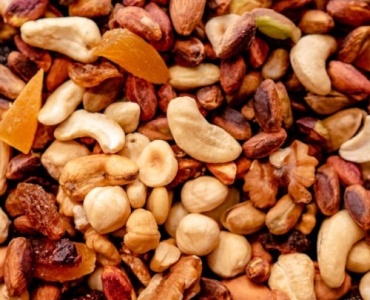
Pumpkin seeds, cashews, almonds, and pine nuts contribute iron, healthy fats, and crunch. Sprinkle them over yogurt, salads, or grain bowls for texture and staying power. Keeping small jars of these foods high in iron at home and work makes it easy to grab a better snack.
- Quick tip: Mix pumpkin seeds with dried apricots to team these foods high in iron with vitamin C.
- Serving ideas: Zaatar-roasted pumpkin seeds; cashew and citrus trail mix.
9. Quinoa and fortified grains: convenient foods high in iron
Quinoa delivers a complete protein profile plus non-heme iron, while fortified breakfast cereals can offer a dependable boost. Read labels to find options that supply meaningful amounts. For busy mornings, pairing these foods high in iron with berries or kiwi is a fast win.
- Quick tip: Cook quinoa in low-sodium broth and finish with lemon to brighten flavor and support your rotation of foods high in iron.
- Serving ideas: Quinoa tabbouleh with tomatoes and parsley; fortified oats with strawberries.
10. Dark chocolate: indulgent foods high in iron
Dark chocolate, especially higher-cocoa varieties, can contribute iron along with polyphenols. Enjoy modest portions as part of a balanced plan, and consider pairing with fresh fruit to complement these foods high in iron. A square or two after dinner can satisfy cravings without derailing goals.
- Quick tip: Choose 70 percent cocoa or higher for more flavonoids and a touch more iron compared with milk chocolate; savor these foods high in iron mindfully.
- Serving ideas: Dark chocolate dipped oranges; cocoa nib and berry yogurt parfait.
Smart pairing and prep: foods that boost iron levels
Absorption is where strategy shines. Vitamin C can significantly increase iron uptake from plant sources, while certain compounds can temporarily reduce it. The good news is that you do not need to memorize rules; simply learn a few pairings and routines that turn your groceries into foods that boost iron levels day after day. Keep a variety of foods high in iron on hand and match them with colorful produce for a double win.
- Pair non-heme iron with vitamin C: Citrus, berries, tomatoes, bell peppers, broccoli, and pineapple help your body capture more from foods high in iron.
- Mind inhibitors strategically: Coffee and tea polyphenols, calcium, and some whole-grain phytates can temporarily reduce absorption; enjoy them away from meals built around foods high in iron.
- Use kitchen techniques: Soaking, sprouting, fermenting, and long simmering reduce phytates and oxalates, improving the value of plant-based foods that boost iron levels.
- Cookware choice: Cast iron pans can add small amounts of iron to acidic foods like tomato sauce.
For planners, a simple approach is to build each plate around one or two foods high in iron, then add a bright vitamin C accent like lemon, berries, or peppers. Over the course of the week, this habit steadily turns your meals into foods that boost iron levels without extra effort.
Tailoring your iron strategy to your needs
Iron-rich foods for vegetarians
A well-planned vegetarian pattern can be rich in iron and incredibly satisfying. Emphasize legumes, tofu, tempeh, leafy greens, nuts, seeds, and fortified cereals. To keep variety high, rotate cuisines and textures. For example, try red lentil dal with wilted spinach and a squeeze of lime, tempeh stir-fry with pineapple, or fortified oats topped with strawberries. These choices make excellent iron-rich foods for vegetarians that fit easily into busy weeks.
- Make absorption work harder: Pair with vitamin C, and use soaking or sprouting to reduce phytates.
- Plan protein first: Start meals with beans, tofu, or tempeh, then layer in produce and whole grains.
Best foods high in iron for women
Because needs are often higher for women of reproductive age, aim for a rotation that includes heme and non-heme sources plus vitamin C allies. The best foods high in iron for women are the ones you enjoy and can keep in regular rotation: lean beef, clams, sardines, lentils, tofu, spinach, pumpkin seeds, quinoa, and fortified grains. For added convenience, batch-cook two or three options every few days.
- Meal-prep idea: Chili with lean beef and kidney beans, citrusy quinoa salad, and a spinach and strawberry side.
- Snack plan: Pumpkin seeds with dried apricots; yogurt parfait with berries and a sprinkle of fortified cereal.
High iron foods for kids
Kids do best with iron woven into familiar flavors and fun textures. Think mini meatballs, bean and cheese quesadillas, smoothies with spinach and strawberries, and fortified oatmeal. Present new items alongside favorites and use dips to make vegetables more appealing. This steady approach turns high iron foods for kids into easy wins.
- Lunchbox ideas: Hummus pita with bell pepper strips; turkey and spinach roll-ups; fortified cereal trail mix with raisins.
- Smoothie combo: Frozen berries, spinach, yogurt, and orange juice for vitamin C.
Iron foods for athletes
Endurance and field-sport athletes have higher turnover and need consistent intake to support oxygen transport and recovery. Mix heme sources like lean beef, lamb, or shellfish with beans, lentils, tofu, grains, and greens for total nutrition. Portable options like sardines, pumpkin seeds, and fortified bars simplify training days, making iron foods for athletes both practical and performance-minded.
- Game-day plan: Rice bowl with beef, black beans, peppers, and citrus salsa; snack on nuts and dried fruit.
- Recovery bowl: Quinoa, tempeh, roasted broccoli, and a lemon-tahini drizzle.
High iron foods for anemia
If you are working with a clinician to correct low iron, food can complement your care plan. Build meals around heme sources when appropriate, plus legumes, leafy greens, and fortified options, and always add vitamin C. Look for recipes you genuinely enjoy so high iron foods for anemia feel sustainable. Discuss supplements and lab follow-up with your healthcare provider for individualized guidance.
How to increase iron intake with food: simple weekly game plan
Here is a quick framework you can repeat, swap, and scale. It blends familiar staples with global flavors so you never get bored while keeping your cart full of iron sources for a healthy diet.
- Breakfast: Fortified oats with strawberries; scrambled eggs with spinach; whole-grain toast with sardines and lemon.
- Lunch: Lentil soup with kale and citrus; tofu and pepper stir-fry over quinoa; spinach salad with oranges and pumpkin seeds.
- Dinner: Clam linguine with tomatoes and parsley; beef and broccoli with orange zest; tempeh tacos with cabbage slaw and mango.
- Snacks: Dark chocolate and orange segments; hummus with bell pepper strips; trail mix with pumpkin seeds and dried apricots.
Rotate these ideas and keep your pantry stocked with legumes, canned fish, nuts, seeds, and fortified grains so you can assemble balanced meals in minutes.
FAQs
What are the best iron sources for a healthy diet if I do not eat meat
Focus on legumes, tofu, tempeh, leafy greens, nuts, seeds, quinoa, and fortified cereals. Pair with vitamin C foods and use soaking or sprouting to improve absorption. These patterns create iron-rich foods for vegetarians that are satisfying and convenient.
Do coffee and tea affect iron absorption
They can if consumed with meals centered on plant iron. Enjoy coffee or tea between meals instead. Add fruit or vegetables rich in vitamin C to support absorption at your main meals.
How do I know if I am getting enough
Track how often you include iron-focused meals and discuss any symptoms or lab results with your healthcare provider. Food first can work well, and supplements may be advised when appropriate.
How to increase iron intake with food without overhauling my routine
Add one iron-focused choice to each meal: fortified oats with berries at breakfast, a bean-based soup at lunch, and a heme source or legume-and-quinoa combo at dinner. Finish with a citrus accent or vitamin C vegetable side.
The bottom line
From seafood and lean meats to legumes, greens, grains, nuts, and even dark chocolate, you have an abundance of foods high in iron to choose from. With thoughtful pairings, a little prep, and steady rotation, those foods high in iron become easy everyday habits that support energy, focus, and overall well-being.
This article offers general nutrition guidance and is not a substitute for personal medical advice. If you have specific concerns, talk with a qualified healthcare professional for individualized recommendations.