Top Omega 3 Fatty Acids Foods You Should Include in Your Diet
When people talk about smart nutrition for a healthy heart and brain, omega 3 fatty acids foods are always front and center. Whether you eat seafood, follow a plant-forward plan, or live fully vegan, there are delicious, practical ways to build an omega 3 fatty acids rich diet that suits your taste, budget, and schedule. In this comprehensive guide, you’ll discover the best foods high in omega 3 fatty acids, how to shop and cook them, and simple strategies to enjoy them consistently. Along the way, we’ll share an easy-to-use omega 3 fatty acids food list, tips for how to increase omega 3 fatty acids in diet, and answers to common questions about omega 3 fatty acids and heart health.
Omega-3 Basics: Why These Fats Matter
Omega-3s are a family of essential fats your body cannot make on its own. You must get them from foods that contain omega 3 fatty acids or from supplements. Three types appear most often in nutrition science:
- ALA (alpha-linolenic acid): Predominantly in plants such as flaxseed, chia seeds, walnuts, and canola oil.
- EPA (eicosapentaenoic acid): Abundant in omega 3 fatty acids in fish like salmon, sardines, and mackerel.
- DHA (docosahexaenoic acid): Also concentrated in fatty fish and marine algae; key for brain, eyes, and prenatal health.
Research consistently associates omega-3 intake with benefits for cardiovascular health, cognitive function, eye health, mood balance, and joint comfort. While supplements can help in certain cases, this guide focuses primarily on omega 3 fatty acids foods, because whole foods deliver additional nutrients like protein, fiber, antioxidants, minerals, and fat-soluble vitamins.
Quick Overview: The Best Foods High in Omega 3 Fatty Acids
Here is a snapshot of the top omega 3 fatty acids foods for health. Scroll down for deeper details, serving ideas, and shopping tips.
- Fatty fish: Salmon, sardines, mackerel, herring, anchovies, trout
- Other seafood: Oysters, mussels
- Enriched animal foods: Omega-3 eggs, pasture-raised dairy (modest amounts)
- Plant-based omega 3 fatty acids foods: Flaxseed, chia seeds, walnuts, hemp seeds, canola oil, perilla oil, algal oil (vegan DHA/EPA)
Each of these omega 3 fatty acids sources offers unique benefits and culinary potential. Let’s explore how to turn them into crave-worthy meals.
Omega 3 Fatty Acids in Fish: Your Marine Powerhouses
Omega 3 fatty acids in fish provide EPA and DHA in their most bioavailable forms. These long-chain omega-3s are especially potent for cardiovascular support and brain function. Below are the best options and how to use them in an omega 3 fatty acids rich diet.
Salmon
Wild or responsibly farmed salmon ranks among the best foods high in omega 3 fatty acids. It’s versatile, forgiving to cook, and rich in protein, B vitamins, and selenium. Try baking, pan-searing, or grilling with lemon, herbs, and a drizzle of olive oil.
- Quick idea: Sheet-pan salmon with broccoli and sweet potatoes.
- Meal prep: Bake extra salmon on Sunday and flake into salads, wraps, and grain bowls all week.
Sardines
Sardines are a budget-friendly superstar among omega 3 fatty acids foods. Canned sardines pack EPA/DHA, plus calcium when eaten with the bones.
- Quick idea: Sardine toast with lemon, parsley, capers, and a swipe of Greek yogurt.
- On-the-go: Keep canned sardines at work for an easy protein-and-omega-3 lunch.
Mackerel
Mackerel is deeply flavorful and one of the most concentrated omega 3 fatty acids sources. If you’re new to mackerel, start with milder varieties or smoked fillets.
- Quick idea: Smoked mackerel pâté blended with plain yogurt, lemon, and dill served with whole-grain crackers.
Herring
Herring can be grilled, pickled, or smoked. It’s a traditional staple in many coastal cuisines and stands out on any omega 3 fatty acids food list.
Anchovies
Don’t underestimate anchovies. A small amount adds umami and a meaningful omega-3 bump.
- Quick idea: Mash anchovies into vinaigrettes or sauces for salads, pasta, and roasted veg.
Trout
Trout is mild, quick-cooking, and family-friendly—ideal for building sustainable habits around foods that contain omega 3 fatty acids.
Shellfish: Oysters and Mussels
While slightly lower in omega-3s than fatty fish, oysters and mussels still contribute meaningfully and provide iron, zinc, vitamin B12, and high-quality protein.
Mercury and Sustainability Notes
- Mercury: Small, oily fish like sardines and anchovies are typically low in mercury, making them excellent routine choices.
- Sustainability: Look for eco-labels (e.g., MSC, ASC) or consult local seafood guides for sustainably sourced choices.
Plant-Based Omega 3 Fatty Acids Foods
Building an omega 3 fatty acids rich diet is absolutely possible without fish. Plants provide ALA, and certain marine algae offer direct EPA/DHA. Here are the top omega 3 fatty acids foods for health in a plant-forward kitchen.
Flaxseed (Ground or Oil)
Flaxseed is one of the most concentrated plant ALA omega 3 fatty acids sources. Use ground flax for better absorption.
- How to use: Stir into oatmeal, smoothies, pancake batter, or sprinkle over yogurt.
- Flax oil: Great for cold dishes like dressings—don’t heat it.
Chia Seeds
Chia seeds are a hydration-friendly superfood with fiber, plant protein, and ALA. They create a pudding-like texture when soaked.
- Quick idea: Chia pudding with almond milk, cinnamon, and berries.
- Baking: Use chia gel as an egg alternative in vegan recipes.
Walnuts
Crunchy and convenient, walnuts are an easy snack that fit seamlessly among foods that contain omega 3 fatty acids. Toss into salads, pesto, or grain bowls.
Hemp Seeds
Hemp seeds add soft crunch, protein, and ALA to smoothies, yogurt bowls, and avocado toast.
Canola Oil and Perilla Oil
Canola oil is a practical, neutral-tasting cooking oil with ALA. Perilla oil (popular in Korean cuisine) is ALA-rich and best used unheated.
Algal Oil (Vegan DHA/EPA)
Algal oil is a direct, plant-based source of DHA (and sometimes EPA), making it a standout among plant-based omega 3 fatty acids foods for those who don’t eat fish. Some plant milks, yogurts, and spreads are fortified with algal DHA.
The Ultimate Omega 3 Fatty Acids Food List
Use this checklist to plan your weekly meals and ensure you’re getting a range of omega 3 fatty acids foods:
- Seafood: Salmon, sardines, mackerel, herring, anchovies, trout, oysters, mussels
- Eggs: Omega-3 enriched eggs
- Dairy: Pasture-raised milk or yogurt (modest omega-3 content)
- Nuts & seeds: Flaxseed (ground), chia, walnuts, hemp seeds
- Oils: Canola oil, perilla oil, flaxseed oil (for cold uses)
- Fortified foods: Beverages or spreads with added algal DHA
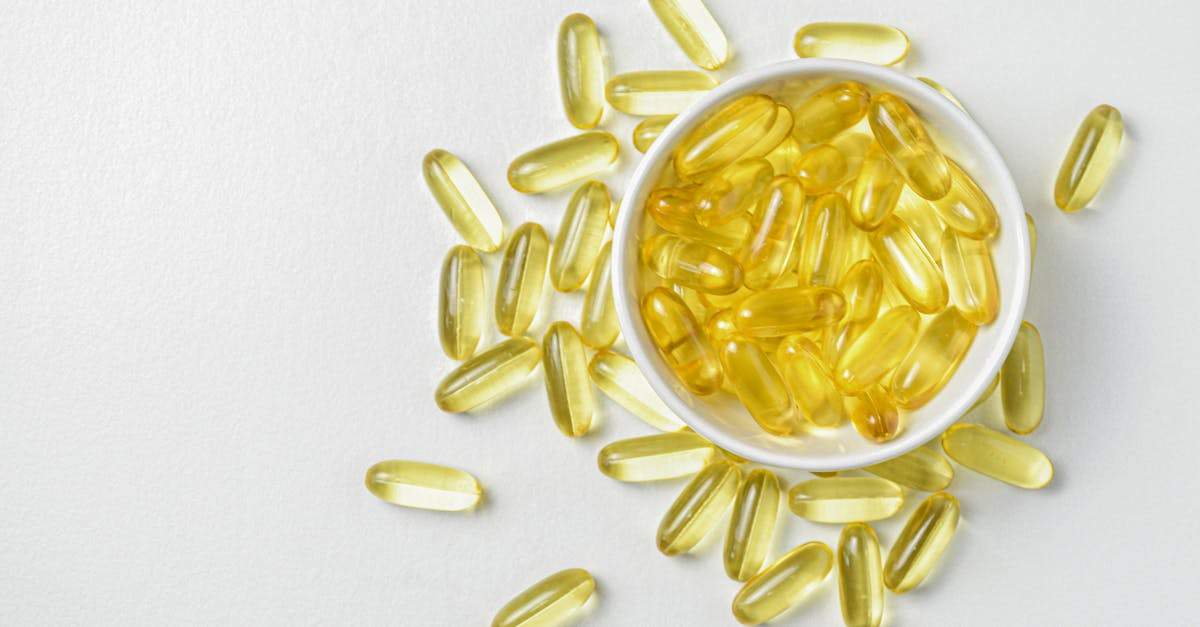
- Supplements (if needed): Fish oil or algal oil for targeted DHA/EPA
Omega 3 Fatty Acids and Heart Health
The relationship between omega 3 fatty acids and heart health is one of the most researched topics in nutrition. EPA and DHA support healthy triglyceride levels, help maintain normal blood pressure, and promote vascular function. Whole-food sources bring additional benefits: potassium in fish, antioxidants in nuts and seeds, and fiber in plant foods. Together, these make omega 3 fatty acids foods a cornerstone of heart-smart eating patterns like the Mediterranean diet.
How to Increase Omega 3 Fatty Acids in Diet: Practical Strategies
Small, consistent changes beat occasional big efforts. Here’s how to increase omega 3 fatty acids in diet without stress.
Make Seafood a Weekly Habit
- Aim for 2–3 servings of fatty fish per week for EPA/DHA.
- Rotate varieties—salmon one night, sardines on toast another, trout fillets on the weekend.
Seed Your Day With ALA
- Add 1–2 tablespoons ground flaxseed or chia to breakfast bowls or smoothies.
- Top salads and soups with hemp seeds for a subtle crunch and omega-3 boost.
Snack Smart
- Keep walnuts on hand for a portable, omega-3-rich snack.
- Pair with fruit or kefir for a balanced mini-meal.
Use the Right Oils
- Cook with canola oil when you want a neutral flavor and some ALA.
- Use flaxseed or perilla oil in dressings; avoid high-heat cooking with these delicate oils.
Leverage Fortified and Enriched Foods
- Choose omega-3 eggs and consider fortified plant milks or yogurts with algal DHA.
- For vegans, an algal oil supplement can ensure steady DHA/EPA intake.
Cooking Tips for Omega 3 Fatty Acids Foods
Protect delicate fats and maximize the flavor of your omega 3 fatty acids foods with these techniques.
- Gentle heat: Bake or poach fish rather than deep-frying to preserve omega-3s.
- Crisp with care: If pan-searing, use medium heat and don’t overcook.
- Add after cooking: Stir in flax or perilla oil after heat is off.
- Balance flavors: Bright acids (lemon, vinegar) and fresh herbs complement oily fish beautifully.
Sample 7-Day Meal Plan Featuring Omega 3 Fatty Acids Foods
Use this as a template; swap ingredients to fit your dietary needs and preferences.
Day 1
- Breakfast: Greek yogurt with berries, walnuts, and a sprinkle of chia.
- Lunch: Sardine and white bean salad with arugula and lemon vinaigrette.
- Dinner: Baked salmon, quinoa, and roasted Brussels sprouts.
Day 2
- Breakfast: Oatmeal with ground flaxseed, cinnamon, and sliced banana.
- Lunch: Lentil-vegetable soup finished with hemp seeds.
- Dinner: Trout with herbed yogurt sauce, brown rice, and asparagus.
Day 3
- Breakfast: Chia pudding with almond milk and mango.
- Lunch: Tuna or chickpea salad wrap with avocado and greens.
- Dinner: Mackerel fillets with lemon-dill potatoes and cucumber salad.
Day 4
- Breakfast: Smoothie (spinach, frozen berries, kefir, ground flax).
- Lunch: Walnut-kale pesto tossed with whole-grain pasta and cherry tomatoes.
- Dinner: Mussels steamed with garlic, tomatoes, and herbs; crusty whole-grain bread.
Day 5
- Breakfast: Omelet with omega-3 eggs, spinach, and feta.
- Lunch: Quinoa bowl with roasted vegetables, chickpeas, and tahini-flax dressing.
- Dinner: Herring or anchovy-topped flatbread with arugula and olives.
Day 6
- Breakfast: Cottage cheese with peaches and crushed walnuts.
- Lunch: Salmon burger with slaw on a whole-grain bun.
- Dinner: Veggie stir-fry in canola oil over brown rice; finish with hemp seeds.
Day 7
- Breakfast: Avocado toast sprinkled with hemp seeds and chili flakes.
- Lunch: Mediterranean salad with sardines, olives, and lemon-olive oil dressing.
- Dinner: Baked cod with walnut-caper relish; side of farro and greens.
Frequently Asked Questions About Omega 3 Fatty Acids Foods
How often should I eat fish?
For most people, 2–3 servings of fatty fish weekly is a practical target to support omega 3 fatty acids and heart health. Small, oily fish (sardines, anchovies) are wallet-friendly and low in mercury.
Can vegans get enough omega-3?
Absolutely. Focus on plant-based omega 3 fatty acids foods like flax, chia, walnuts, hemp, and consider an algal oil supplement for DHA/EPA. Fortified foods can help too.
Do cooking methods affect omega-3 levels?
Excessive heat can degrade delicate fats. Bake, poach, or gently pan-sear fish; add flax or perilla oil after cooking. These tips help protect omega 3 fatty acids foods from unnecessary loss.
Are supplements necessary?
Food-first is ideal because omega 3 fatty acids foods offer multiple nutrients. Supplements can be useful for those who rarely eat fish, are fully vegan, or have higher needs. Talk with a professional if you have specific health concerns.
What about omega-6 balance?
Modern diets are often rich in omega-6. Prioritizing foods that contain omega 3 fatty acids, choosing balanced cooking oils, and eating whole foods helps support a healthier ratio.
Shopping and Pantry Guide for Omega 3 Fatty Acids Foods
Turn knowledge into action with a simple shopping plan. Build a pantry that makes an omega 3 fatty acids rich diet nearly automatic.
- Canned seafood: Sardines, anchovies, salmon, mackerel (in water or olive oil).
- Frozen fish: Salmon and trout filets for easy weeknight dinners.
- Nuts & seeds: Walnuts, chia, hemp, and ground flaxseed.
- Oils: Canola oil for cooking; flax/perilla for cold dishes.
- Fortified picks: Omega-3 eggs, plant milks with algal DHA.
Delicious Recipe Ideas to Spotlight Omega 3 Fatty Acids Foods
These quick combinations elevate omega 3 fatty acids foods without extra fuss.
- Sardine Nicoise-Style Bowl: Lettuce, green beans, tomatoes, olives, potatoes, sardines; mustard vinaigrette.
- Walnut-Chia Overnight Oats: Rolled oats, milk of choice, chia, walnuts, cinnamon, honey or maple.
- Salmon-Tahini Grain Bowl: Warm farro, roasted salmon, kale, tahini-lemon dressing, hemp seeds.
- Flax-Boosted Smoothie: Kefir, spinach, frozen blueberries, banana, ground flaxseed, vanilla.
- Trout with Citrus-Herb Gremolata: Pan-seared trout topped with parsley, lemon zest, garlic, and olive oil.
Building Long-Term Habits Around Omega 3 Fatty Acids Foods
Consistency is key. Here’s how to make omega 3 fatty acids foods part of your lifestyle rather than a short-term fix.
- Plan ahead: Add at least two seafood dinners to your weekly calendar.
- Prep basics: Portion walnuts and mix jars of chia/flax to grab-and-go.
- Stock smart: Keep canned fish, frozen fillets, and seeds in your pantry.
- Make it tasty: Use sauces and herbs you love; flavor fuels habit.
Putting It All Together: Top Omega 3 Fatty Acids Foods for Health
The path to better wellness isn’t complicated: choose from a variety of omega 3 fatty acids foods and enjoy them often. Fatty fish deliver EPA and DHA in their most impactful forms. Plant-based omega 3 fatty acids foods like flax, chia, walnuts, and hemp make it easy to round out your intake daily. Fortified foods and algal oil bridge gaps, while smart cooking and weekly planning keep the routine sustainable.
Whether your goal is heart protection, cognitive support, or overall vitality, the combination of seafood, nuts, seeds, and practical pantry swaps creates an omega 3 fatty acids rich diet that’s satisfying and simple to maintain. Keep this omega 3 fatty acids food list handy, rotate flavors you love, and use the strategies above for how to increase omega 3 fatty acids in diet—one delicious meal at a time.
Key Takeaways
- Eat the rainbow of omega-3s: Combine fish (EPA/DHA) with plant ALA for a well-rounded approach.
- Shop smart: Canned fish, walnuts, chia, hemp, and ground flaxseed are affordable, convenient staples.
- Cook simply: Gentle heat preserves omega-3s; add delicate oils after cooking.
- Be consistent: 2–3 fatty-fish meals per week plus daily seeds or walnuts sets you up for success.
- Customize: Vegans can lean on ALA foods and algal DHA for comprehensive coverage.
With these tips, recipes, and evidence-backed choices, you’re ready to enjoy the most nourishing omega 3 fatty acids foods and make vibrant, healthy eating your everyday default.