
Unlocking the Secrets: The Best Intermittent Fasting Methods for Effective Weight Loss—that’s the promise of this comprehensive guide. Below, you will discover how intermittent fasting works, which schedules fit different lifestyles, how to start safely, and exactly what to eat to maintain energy, appetite control, and consistency. Whether you want gentle structure or rapid early progress, this article will help you identify the best intermittent fasting for weight loss and turn insights into action.
What Makes the Best Intermittent Fasting for Weight Loss?
The “best” method is the one you can follow long enough to create a steady calorie deficit without sacrificing health or quality of life. In practice, the best intermittent fasting for weight loss balances three pillars: physiology (how fasting influences appetite, blood sugar, and fat use), behavior (how the schedule fits your day), and satisfaction (how much you enjoy your meals). If you can stay consistent for weeks and months, results follow.
How Intermittent Fasting Works (The Short Science)
- Insulin and energy access: Between meals, insulin drops, letting your body draw more from stored body fat.
- Appetite rhythm: Fasting windows can reduce grazing and late-night snacking, improving daily calorie control.
- Adherence beats perfection: A flexible schedule that you can actually follow often becomes the most effective intermittent fasting for weight loss in real life.
There’s no magic—just a reliable pattern that nudges energy intake down while preserving enough protein, fiber, and micronutrients to support hunger control and daily performance.
The Most Effective Intermittent Fasting for Weight Loss: Method-by-Method Breakdown
Below are the most popular approaches. Which one becomes the most effective intermittent fasting for weight loss for you depends on your starting point, appetite patterns, and schedule.
16/8 Time-Restricted Eating
The intermittent fasting 16/8 plan for weight loss compresses eating into an 8-hour window (for example, 12 p.m.–8 p.m.) and fasts the remaining 16 hours. This is the most common and often the easiest to sustain. Many people find it naturally reduces snacking and late-night eating.
- Who it fits: People who prefer larger midday and evening meals, shift workers on a stable schedule, or those who already skip breakfast.
- Pros: Simple structure, flexible food choices, pairs well with strength training and social dinners.
- Cons: Morning exercisers may need to adjust fueling; some people feel overly hungry at first.
Because of its balance of structure and flexibility, the intermittent fasting 16/8 plan for weight loss is frequently recommended as a starting point and is often considered one of the best intermittent fasting for weight loss options when compliance is the goal.
14/10 or 12/12 (Gentle Starts)
For beginners or those with high morning hunger, a 12/12 or 14/10 split can deliver many of the same behavioral benefits with fewer side effects. These easier intermittent fasting plans for weight loss help you build habit momentum before tightening the window.
- Who it fits: Beginners, people with high stress or disrupted sleep, and those who prefer breakfast.
- Pros: Minimal discomfort; excellent for consistency and learning meal planning.
- Cons: Slightly smaller daily calorie reduction compared to 16/8.
18/6 (Advanced Time-Restricted Eating)
With an 18-hour fast and a 6-hour eating window, appetite tends to consolidate into two larger meals. For some, this is the most effective intermittent fasting for weight loss because it further reduces snacking opportunities.
- Who it fits: Experienced fasters, people who feel best on fewer, larger meals.
- Pros: More aggressive calorie control, high meal satisfaction.
- Cons: Harder to hit protein and micronutrient targets; requires careful meal planning.
5:2 Diet (Fasting Days Each Week)
With the 5:2 approach, you eat normally five days and consume a very low-calorie intake on two nonconsecutive days (for example, 400–600 calories). When executed well, 5:2 can be among the best intermittent fasting for weight loss strategies for people who want fewer rules on most days.
- Who it fits: People who prefer normal social eating most of the week.
- Pros: Solid weekly calorie reduction, psychological freedom on non-fasting days.
- Cons: Fasting days can feel tough; some overeat to compensate.
Alternate-Day Fasting (ADF)
ADF alternates fasting (either full or very-low-calorie) with normal eating. While potentially potent, it’s not always the best intermittent fasting for weight loss for beginners because it can be difficult to sustain and may interfere with training or work productivity.
- Who it fits: Highly motivated, experienced fasters under medical supervision.
- Pros: Large weekly energy deficit.
- Cons: Hard to maintain, higher risk of overeating on non-fasting days.
OMAD (One Meal a Day) — Use With Caution
OMAD can create rapid early losses, but it’s difficult to get enough protein, fiber, and micronutrients. For most people, OMAD is not the best intermittent fasting schedule for weight loss long term. If used, treat it as a short, strategic phase with careful meal planning.
Early vs. Late Eating Windows
An earlier window (e.g., 9 a.m.–5 p.m.) can help some people regulate appetite and sleep better; a later window (12 p.m.–8 p.m.) often fits social life. The best intermittent fasting schedule for weight loss is the one that aligns with your hunger rhythms and life demands.
How to Choose the Best Intermittent Fasting Schedule for Weight Loss
Use the decision cues below to personalize your approach and land on the best intermittent fasting schedule for weight loss for your lifestyle.
- Morning hunger high? Start with 12/12 or 14/10, then progress.
- Busy afternoons and dinners out? Try 12–8 p.m. or 1–9 p.m. windows.
- Early workouts? Consider a small pre-workout protein dose (if tolerated) or shift your window earlier.
- Shift work? Match your eating window to your waking hours consistently.
- Sleep quality: Avoid very late, heavy meals that disrupt sleep.
Step-by-Step: How to Do Intermittent Fasting for Weight Loss
If you want a simple, actionable protocol, follow these steps for how to do intermittent fasting for weight loss. These are also excellent intermittent fasting tips for beginners weight loss focused.
- Pick your starting window: 14/10 or the intermittent fasting 16/8 plan for weight loss are great baselines.
- Front-load hydration: Water, black coffee, or unsweetened tea during the fast. Add a pinch of salt if you feel lightheaded.
- Prioritize protein: Aim for 25–40 g protein per main meal to support satiety and muscle. This is crucial for better intermittent fasting results for weight loss.
- Build fiber and volume: Vegetables, legumes, berries, and whole grains keep you full with fewer calories.
- Time your training: If you lift, align a meal within 1–3 hours post-workout for recovery.
- Sleep 7–9 hours: Poor sleep drives hunger hormones and makes fasting harder.
- Track and adjust: If weight stalls for 2–3 weeks, tighten your window or reduce calorie-dense extras.
For anyone asking how to do intermittent fasting for weight loss safely, start gently, adjust slowly, and keep an eye on energy, mood, and performance. The right pace ensures the best intermittent fasting for weight loss is also the most sustainable.
Practical Intermittent Fasting Plans for Weight Loss
Choose one of these intermittent fasting plans for weight loss to get started this week, then refine as you learn what works for your body.
Beginner Four-Week Progression
- Week 1: 12/12, consistent meal times.
- Week 2: 14/10, protein target each meal.
- Week 3: intermittent fasting 16/8 plan for weight loss, add 2–3 strength sessions.
- Week 4: Maintain 16/8 or try 15/9 on high-stress days; review progress.
Performance-Friendly Option
- Window: 10 a.m.–6 p.m. or 11 a.m.–7 p.m.
- Training: Lift at lunch or late afternoon; eat a protein-rich meal soon after.
- Goal: Steady intermittent fasting results for weight loss without sacrificing workouts.
Social-Life Friendly Option
- Window: 1 p.m.–9 p.m.
- Tips: Use high-protein starters at dinner; moderate alcohol.
- Goal: Stick with the best intermittent fasting for weight loss that matches real life.
Intermittent Fasting Diets for Quick Weight Loss: What Works and What to Avoid
Some seek intermittent fasting diets for quick weight loss. Quick can be motivating, but safety matters. Early drops are often water and glycogen; aim for 0.5–1% body weight loss per week for sustainability.
- Focus on protein: 1.6–2.2 g/kg/day supports muscle, satiety, and better intermittent fasting results for weight loss.
- Pick smart carbs: Mostly whole-food carbs around training; limit ultra-processed snacks.
- Use volume foods: Leafy greens, cruciferous veggies, broth-based soups, berries.
- Watch liquid calories: Fancy coffees and sugary drinks can overwhelm a deficit.
When exploring intermittent fasting diets for quick weight loss, remember: the fastest plan you cannot sustain is slower than the steady plan you can. Sustainability turns a fast start into lasting change—and that’s the real most effective intermittent fasting for weight loss.
Intermittent Fasting Meal Ideas for Weight Loss
Use these practical intermittent fasting meal ideas for weight loss to keep protein high, calories moderate, and meals satisfying during your eating window.
Meal 1 (Break the Fast)
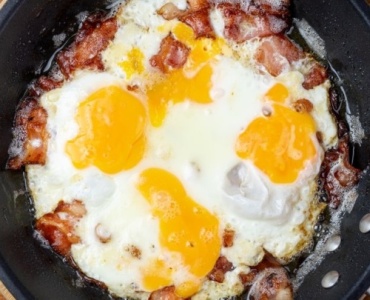
- High-Protein Omelet Bowl: Whole eggs + egg whites, spinach, mushrooms, salsa; side of berries.
- Greek Yogurt Power Parfait: 2% Greek yogurt, whey isolate, chia, blueberries, crushed almonds.
- Tofu Veggie Scramble: Extra-firm tofu, turmeric, peppers, onions; side of avocado and cherry tomatoes.
Meal 2 (Anchor Meal)
- Chicken Grain Bowl: Grilled chicken, quinoa, roasted broccoli, cucumber, tahini-lemon drizzle.
- Salmon and Smashed Potatoes: Baked salmon, dill yogurt, smashed baby potatoes, asparagus.
- Lentil Chili: Lentils, tomatoes, beans, spices; topped with Greek yogurt and scallions.
Smart Snacks (If Needed)
- Protein + Produce: Cottage cheese with pineapple, beef jerky and an apple, edamame pods.
- Crisp and Crunchy: Air-popped popcorn, roasted chickpeas, carrots with hummus.
Rotating these intermittent fasting meal ideas for weight loss helps keep cravings low and nutrition high—key drivers of the best intermittent fasting for weight loss outcomes.
Training, Hydration, and Recovery
- Hydration: Aim for clear urine; include electrolytes if you sweat heavily.
- Training timing: Strength training pairs well with the intermittent fasting 16/8 plan for weight loss when a meal follows the workout.
- Recovery: Sleep 7–9 hours; manage stress with walks, breathing exercises, or short meditations.
Best Intermittent Fasting for Women Weight Loss: Unique Considerations
Women may respond differently to fasting due to hormonal fluctuations, energy availability, and stress sensitivity. For many, 12/12 or 14/10 provides a gentle entry, and 16/8 may become the best intermittent fasting for women weight loss after a few weeks of adaptation.
- Cycle-aware adjustments: During higher-hunger phases, widen the window slightly or add a protein-rich snack.
- Stress and sleep: Chronic stress plus harsh restriction can backfire; favor consistency and recovery.
- Medical caveats: If pregnant, breastfeeding, underweight, or with a history of disordered eating, skip fasting unless advised by a clinician.
When tailored with adequate protein and flexible windows, the best intermittent fasting for women weight loss supports both fat loss and wellbeing.
How to Read Your Intermittent Fasting Results for Weight Loss
To fairly judge intermittent fasting results for weight loss, track multiple markers:
- Weight trend: Look at weekly averages to smooth day-to-day fluctuations.
- Waist and photos: Measure at the navel weekly; take front/side photos in consistent lighting.
- Performance and energy: Workouts, sleep quality, and focus should remain stable or improve.
- Adherence: The best plan is the one you followed 80%+ of days.
Two to three weeks without change? Tweak the window, tighten calorie-dense extras, or increase daily steps by 2,000–3,000. This is how you convert a good plan into the best intermittent fasting for weight loss for your reality.
Common Mistakes and Plateaus
- Eating too little protein: Leads to rebound hunger and muscle loss.
- “Compensating” in the window: Overeating at night can erase the deficit.
- Ultra-processed reliance: Less filling, easy to overconsume.
- Weekend drift: Keep a consistent window on most days.
- Neglecting movement: Steps and resistance training magnify results.
Beginner-Friendly Intermittent Fasting Tips for Weight Loss
Here are practical intermittent fasting tips for beginners weight loss to curb hunger and build consistency:
- Start mild, progress slowly: Move from 12/12 to 14/10, then 16/8.
- Use anchors: Fixed start/stop times, preset meals, and grocery lists.
- Drink strategically: Black coffee or tea blunt appetite for many people.
- Plan meals ahead: Meal-prep proteins and veggies to avoid last-minute choices.
- Set weekly check-ins: Review data, tweak one variable at a time.
Safety First: Who Should Avoid or Modify Intermittent Fasting
Intermittent fasting is not ideal for everyone. Avoid or seek medical guidance if you are pregnant or breastfeeding, under 18, underweight, have a history of eating disorders, take medications that require timed meals, or have diabetes or other conditions needing medical supervision. When in doubt, consult a healthcare professional before choosing the best intermittent fasting for weight loss for your situation.
FAQ: Fast Answers to Common Questions
Can I have coffee or zero-calorie drinks during the fast?
Yes—water, black coffee, and unsweetened tea are fine. If adding milk or cream, it technically breaks a strict fast but may still fit your calorie goals.
Do supplements break a fast?
Most non-caloric supplements do not. Fish oil or gummy vitamins add calories—consider taking them with meals.
How quickly will I see intermittent fasting results for weight loss?
Many see early changes in 1–2 weeks (often water shifts). Fat loss typically becomes evident by weeks 3–6 with consistent adherence.
Is the intermittent fasting 16/8 plan for weight loss better than 5:2?
It depends. 16/8 is simpler day-to-day, while 5:2 concentrates restriction into two days. The “better” choice is whichever you can sustain.
What is the best intermittent fasting schedule for weight loss if I train in the morning?
Try an earlier window or a small pre-workout protein dose if needed; then plan your main meal soon after training.
Putting It All Together: Your Personal Best
You’ve seen how different schedules work, how to fuel for satiety and performance, and how to track outcomes. The best intermittent fasting for weight loss for you will likely be the one that delivers steady adherence and manageable hunger. Many start with a intermittent fasting 16/8 plan for weight loss, build protein-rich meals, track progress, and adjust the window for life’s demands.
If you prefer structure without rigidity, combine the weekly progression above with these core habits: adequate protein, fiber-rich foods, smart training, and solid sleep. Whether you choose 14/10, 16/8, or a carefully planned 5:2, you now have the tools—and the intermittent fasting meal ideas for weight loss—to make the method your own.
In the end, the most effective intermittent fasting for weight loss is the one you can do consistently, confidently, and safely. Start small, learn fast, and adjust as you go. That is how you unlock the secrets and turn knowledge into lasting results.