
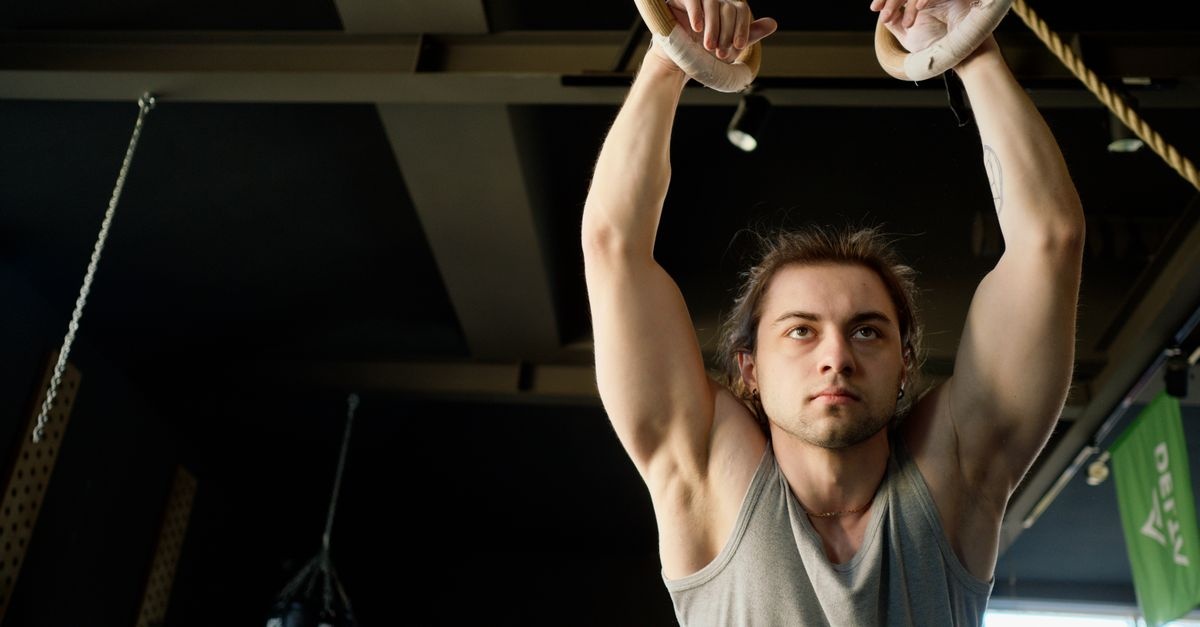
Calisthenics is the art and science of training the body using minimal equipment and maximum control. From your first push-up to advanced holds like the front lever, calisthenics builds functional strength, stability, and mobility you can use every day. This guide breaks down the calisthenics benefits, shows you how to start calisthenics for beginners, and gives you a complete framework to design a sustainable calisthenics workout routine at home or at the gym.
What Is Calisthenics and Why It Works
Calisthenics revolves around bodyweight movements that leverage leverage, joint angles, and progressions to create resistance. Instead of chasing numbers on a barbell, you master movement patterns: pushing, pulling, squatting, hinging, bracing, and balancing. Because calisthenics relies on relative strength and control, it improves proprioception, joint integrity, and motor learning. You build strength across full ranges of motion while improving coordination, which is why calisthenics athletes often move with effortless precision.
Unlike exercise fads, calisthenics endures because its principles are timeless: progressive overload, consistency, and attention to technique. You scale difficulty by changing leverage, tempo, range of motion, and volume. The result is a training practice that fits beginners and advanced athletes without requiring expensive equipment.
Key Calisthenics Benefits
- Functional strength across multiple planes of motion with real carryover to daily life and sports.
- Joint health and mobility thanks to full-range movements and controlled eccentrics.
- Core integration in every exercise, from push-ups to pull-ups and advanced calisthenics techniques.
- Accessibility: a true calisthenics home workout requires little or no equipment.
- Scalability: calisthenics progressions allow precise jumps in difficulty without weights.
- Body composition: combine a smart calisthenics diet plan with training to build muscle and reduce fat.
- Mind-body connection: focus and control sharpen with each session.
Calisthenics vs Weight Training
Both calisthenics and weight training can build muscle and strength. The difference lies in stimulus and skill. In calisthenics vs weight training, weights allow micro-loading and straightforward progressive overload, while calisthenics emphasizes leverage, stability, and movement quality. Barbells can be optimal for maximizing absolute strength in very specific patterns, whereas calisthenics shines in relative strength, shoulder health, core integration, and transferable coordination. Most athletes benefit from both at different times, but a well-designed calisthenics workout routine can take you from beginner to advanced without ever touching a barbell.
Calisthenics vs Gymnastics
In calisthenics vs gymnastics, the overlap is substantial: both use bodyweight strength, static holds, and dynamic skills. However, gymnastics is a codified sport with events, scoring, and specialized apparatus, often beginning in childhood. Calisthenics is a broad training method accessible to all ages, focusing on progressive movement mastery and general strength. You can borrow techniques and drills from gymnastics to accelerate calisthenics progress without adopting the entire sport.
Calisthenics for Beginners: Start Here
Calisthenics for beginners means learning fundamentals with perfect mechanics, then applying simple progressions. Start with frequent, manageable sessions that build skill and confidence. Keep reps in reserve, and master positions before adding volume.
Principles to Guide Your First Months
- Movement before intensity: lock in alignment and full range of motion.
- Grease the groove: practice key moves often with submaximal sets.
- Small steps: use leverage changes to find the right progression.
- Consistency: 3-5 sessions per week beat sporadic marathons.
- Auto-regulation: adjust volume based on daily readiness and form quality.
Warm-up and Mobility
- 2-3 minutes light cardio or joint circles.
- Dynamic shoulder prep: band pull-aparts, scapular circles, wall slides.
- Hip openers: leg swings, deep squat prying, glute activation.
- Wrist conditioning: palm leans, knuckle rock-backs, gentle holds for handstand prep.
- Core activation: hollow and arch positions, dead bugs, breathing drills.
A 4-Week Beginner Calisthenics Workout Routine
Perform 3 nonconsecutive days per week. Progress by adding 1-2 reps per set each week while maintaining excellent form.
- Push: Incline push-ups or knee push-ups 3x6-10
- Pull: Australian rows on a low bar or table 3x6-10
- Squat: Bodyweight squats 3x10-15
- Hinge: Hip hinge to reverse lunge 3x8-12 each leg
- Core: Dead bug or hollow body hold 3x20-30 seconds
- Finisher: Farmer hold with bags or suitcase march 2x30-45 seconds
After 4 weeks, reduce incline for push-ups, lower the bar for rows, and add pauses at the bottom of squats. This simple plan anchors your calisthenics home workout without any special gear.
Best Calisthenics Exercises
The best calisthenics exercises teach full-body tension, movement control, and scalable strength. Use these pillars to design your calisthenics workout routine.
Upper Body Push
- Push-up family: wall, incline, standard, diamond, archer, pseudo planche push-up
- Dips: bench dips to parallel bar dips, then ring dips
- Overhead: pike push-ups, elevated pike push-ups, wall handstand holds
Upper Body Pull
- Rows: table rows to low-bar rows to ring rows
- Pull-ups: band-assisted to strict to chest-to-bar
- Chin-ups: supinated grip for biceps focus
Lower Body
- Squats: air squats to tempo squats to jump squats
- Single-leg: split squats, step-ups, shrimp squats, pistol squats
- Hinges: hip bridges, single-leg bridges, Nordic hip hinges
Core and Bracing
- Hollow and arch holds
- Planks: front, side, RKC, ring support
- Leg raises: lying to hanging to toes-to-bar
Calisthenics Progressions: From Newbie to Ninja
Calisthenics progressions break skills into manageable steps. Progress only when you can perform the current step with perfect control for prescribed reps and tempo.
Pull-up Progression
- Scapular pull-ups 3x8-10
- Band-assisted or jumping negatives 3x5
- Isometric holds at top and mid-range 3x10 seconds
- Strict pull-ups 5x3-5
- Chest-to-bar or ring pull-ups 4x5
Push-up to One-Arm Push-up
- Incline push-ups 3x10-12
- Standard push-ups 4x8-12
- Archer push-ups or weighted push-ups 4x6-8
- One-arm eccentric with assistance 5x3
- Assisted one-arm push-up 5x3
Dips and Straight Arm Strength
- Bench dips 3x10-15
- Parallel bar dips 5x5
- Ring dips 5x3-5
- Straight-arm support holds 3x20-30 seconds
Squat to Pistol Squat
- Air squats 3x15
- Assisted pistol to box 4x6 each leg
- Tempo pistol negatives 4x4 each leg
- Full pistols 5x3-5
Core Progressions
- Knee raises 3x10-15
- Hanging leg raises 4x8-12
- L-sit tuck 6x10 seconds
- L-sit 6x10-15 seconds
- Dragon flag negatives 5x3
Advanced Calisthenics Techniques
Once you own the basics, explore advanced calisthenics techniques that demand superior tension, mobility, and nervous system efficiency.
Muscle-up
- Prerequisites: 10 strict pull-ups, 10 strong ring dips
- Drills: false grip holds, transition pulls, explosive chest-to-bar
- Focus: fast hips, tight hollow, smooth transition
Handstand and Handstand Push-up
- Wall holds nose-to-wall 5x30-45 seconds
- Freestanding balance practice with toe taps
- Pike push-ups to elevated pike to wall HSPU negatives
Front Lever and Back Lever
- Tuck, advanced tuck, one-leg, straddle progressions
- Isometric sets 6x10-15 seconds with full body tension
- Accessory: scapular depressions, hollow rocks
Planche Fundamentals
- Wrist conditioning and lean tolerance
- Planche leans, tuck planche on parallettes
- Pseudo planche push-ups for pressing strength
Human Flag
- Vertical pole grip practice, side lever holds
- Tuck flag entries and eccentric lowers
- Train both sides for symmetry
Programming Your Calisthenics Workout Routine
A powerful calisthenics workout routine balances skill practice, strength work, and volume tolerance. Rotate emphasis so joints recover while skills progress.
Set and Rep Schemes
- Strength focus: 4-6 sets of 3-6 reps or 6-10 second isometrics
- Hypertrophy: 3-5 sets of 6-12 reps, controlled tempo
- Endurance: 2-4 sets of 12-20 reps or intervals
- Isometrics: 6-10 sets of 10-20 seconds with crisp form
- Skill grease: frequent submaximal singles or doubles across the day
Periodization for Calisthenics
- Base phase: accumulate volume on basics and mobility
- Build phase: add harder progressions, reduce assistance
- Peak phase: hone specific skills, increase intensity, lower volume
- Deload: cut volume by 30-50% every 4-8 weeks
Weekly Template Example
- Day 1 Push focus: push-ups, dips, handstand prep, core
- Day 2 Pull focus: rows, pull-ups, lever prep, posterior chain
- Day 3 Legs and rings: squats, single-leg work, ring support, carry
- Optional Day 4 Skill: handstand, mobility, gentle cardio
Calisthenics Home Workout: Train Anywhere
A calisthenics home workout thrives on minimal gear and smart progressions. Set up a small space and keep sessions efficient.
Minimal Equipment List
- Sturdy pull-up bar or doorway bar
- Gymnastic rings or a suspension trainer
- Parallettes or yoga blocks
- Resistance bands
- Floor space and a mat
30-Minute Home Workouts
Session A
- Warm-up 5 minutes
- Pull-up practice 5x3 or ring rows 4x8-12
- Push-ups 4x10 or incline push-ups 4x12
- Split squats 3x10 each leg
- Hollow holds 4x20 seconds
Session B
- Warm-up 5 minutes
- Pike push-ups 5x5
- Ring rows neutral grip 4x10
- Hip bridges 4x15
- L-sit tuck 6x10 seconds
Calisthenics Diet Plan: Fuel for Performance
Training grows stronger with a purposeful calisthenics diet plan. Aim for enough protein, calibrated calories, and supportive carbs and fats.
Nutrition Fundamentals
- Calories: slight surplus to gain muscle, slight deficit to cut while maintaining strength
- Protein: about 1.6-2.2 g per kg bodyweight daily
- Carbs: fuel sessions and glycogen replenishment, especially on skill and volume days
- Fats: essential for hormones and joint health, include nuts, olive oil, fatty fish
- Hydration: water plus electrolytes on hot or long training days
Sample Day of Eating
- Breakfast: Greek yogurt, berries, oats, honey
- Lunch: chicken, quinoa, roasted vegetables, olive oil
- Snack: cottage cheese, banana, almonds
- Dinner: salmon, rice or potatoes, leafy greens
- Post-workout: whey or plant protein shake and fruit
Supplements
- Protein powder for convenience
- Creatine monohydrate 3-5 g daily
- Fish oil if intake is low
- Vitamin D depending on sun exposure
- Caffeine pre-workout if tolerated
Recovery, Mobility, and Injury Prevention
- Sleep: target 7-9 hours for adaptation
- Mobility: 10-15 minutes of shoulders, hips, wrists after sessions
- Deloads: every 4-8 weeks reduce volume and intensity
- Pain rule: sharp pain stops the set; adjust progression
- Balance: train opposing patterns to keep joints resilient
If you have existing conditions or are new to intense exercise, consult a qualified professional to tailor calisthenics to your needs.
Putting It Together: Sample 8-Week Calisthenics Workout Routine
Use this template to blend strength, skill, and volume. Train 3-4 days per week. Keep 1-2 reps in reserve on most sets.
Weeks 1-4 Base
- Push: incline or standard push-ups 4x8-12; pike push-ups 3x6-8
- Pull: ring rows 4x8-12; pull-up negatives 4x3
- Legs: split squats 4x8-12; hip bridges 4x12-15
- Core: hollow holds 6x15-20 seconds; side planks 3x30 seconds
- Skill: wall handstand holds 5x20-30 seconds
Weeks 5-8 Build
- Push: standard push-ups or archer push-ups 5x6-10; dips 4x5-8
- Pull: strict pull-ups 5x3-5; ring rows feet elevated 4x8
- Legs: step-ups or assisted pistols 5x5-8 each leg
- Core: hanging knee raises 5x8-12; L-sit tuck 6x10-15 seconds
- Skill: pike negatives 4x3; handstand balance practice
Troubleshooting Your Calisthenics Journey
- Stalled pull-ups: add more negatives, scapular work, and isometrics; increase frequency
- Sore wrists: elevate hands on parallettes, increase wrist prep, reduce volume temporarily
- Shoulder discomfort: strengthen scapular control, avoid deep dip ranges until stable
- Fat loss plateau: tighten calorie tracking, add gentle cardio, keep protein high
- Skill anxiety: regress to a version you can dominate and build confidence
Calisthenics Progress Metrics
- Volume: total quality reps per week
- Intensity: harder progressions, slower tempos, longer holds
- Skill: balance time in handstand or lever progression
- Recovery: soreness resolving within 48 hours, performance trends upward
Frequently Asked Questions
How many days per week should I train?
Most people progress well on 3-4 calisthenics sessions per week with at least one full rest day. Add easy mobility or walking on off days.
Can calisthenics build as much muscle as weights?
With sufficient volume, progressive overload, and nutrition, calisthenics can build impressive muscle. You may need creative progressions and higher rep ranges compared to weights.
Is equipment necessary?
No, but a pull-up bar and rings dramatically expand exercise options and make a calisthenics home workout more effective.
What about cardio?
Blend short intervals after strength work or add 1-2 low-intensity cardio sessions per week for heart health and recovery.
A 12-Week Roadmap
Follow this high-level map to structure your calisthenics journey.
- Weeks 1-4: Basics and volume. Nail push-ups, rows, squats, core holds. Establish 3 sessions per week.
- Weeks 5-8: Introduce strict pull-ups, dips, single-leg progressions, pike push-ups, and L-sit work.
- Weeks 9-12: Target a skill such as handstand balance or muscle-up prep while maintaining strength and volume.
Safety and Sustainable Progress
- Increase only one variable at a time: reps, sets, or progression difficulty
- Use controlled eccentrics to build tendon resilience
- Keep 1-2 reps in reserve to manage fatigue during the week
- Stop sets on technique breakdown rather than grinding ugly reps
Final Thoughts
Calisthenics is a lifelong practice that rewards patience and precision. Whether your goal is your first pull-up or mastering advanced calisthenics techniques, the path is the same: consistent practice, smart progressions, and recovery supported by a practical calisthenics diet plan. Start with the best calisthenics exercises, build a personalized calisthenics workout routine, and enjoy the compounding calisthenics benefits that come from mastering your body in space. Unlock strength one clean rep at a time.