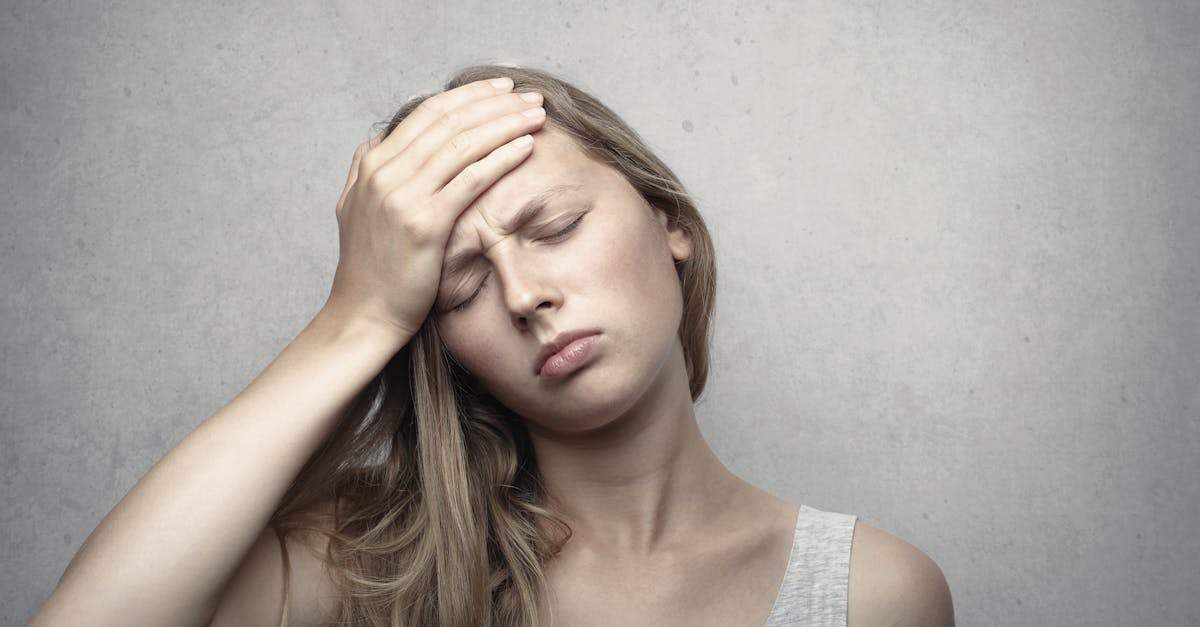
A migraine headache can disrupt your life for hours—or even days—yet many people still view it as a typical tension headache that will fade with rest and water. In reality, a migraine headache is a complex neurological disorder that alters brain signaling, blood vessel function, and pain pathways. Understanding this condition helps you navigate better care, reduce the frequency of attacks, and choose treatment options that actually work.
While headaches are incredibly common, a migraine headache is not simply a more severe version of everyday head pain. It has distinct phases, characteristic symptoms, identifiable triggers, and specific therapies that differ from standard headache remedies. This article explores the science behind migraines, clarifies the difference between migraine and headache, and reviews proven strategies for relief and prevention.
What Is a Migraine Headache?
Clinically, a migraine headache is a recurrent, often throbbing head pain typically felt on one side (though both sides can be affected) and accompanied by nausea, vomiting, and sensitivity to light and sound. It is a neurological event involving abnormal brain excitability and the release of inflammatory neuropeptides that activate pain pathways in the trigeminal system.
Difference Between Migraine and Headache
Not all headaches are migraines. A migraine headache usually has distinct features, triggers, and accompanying symptoms, while tension-type headaches are typically milder, pressing/tightening in quality, and not aggravated by routine physical activity.
- Location and quality: Migraines are commonly unilateral and throbbing; tension headaches are often bilateral and pressing.
- Associated symptoms: Migraines frequently include nausea, vomiting, and sensitivity to light, sound, or smell; tension headaches typically do not.
- Aggravation: Routine activity (walking stairs) can worsen migraines but not tension headaches.
- Aura: Some people experience visual, sensory, or language disturbances before the pain phase—this is classic for migraine and uncommon in other headache types.
Phases of a Migraine Headache
Understanding the phases can help you act earlier and more effectively during an attack. A migraine headache often progresses through several stages:
- Prodrome (pre-headache): Hours to days before pain, you may notice yawning, mood changes, neck stiffness, food cravings, or frequent urination.
- Aura (in some people): Visual zigzags, flashing lights, blind spots, tingling, or speech difficulty preceding the headache.
- Headache phase: Throbbing or pulsing pain, typically 4–72 hours without treatment, intensified by movement, along with nausea and sensory sensitivities.
- Postdrome (“migraine hangover”): Fatigue, brain fog, or residual sensitivity even after the pain resolves.
Migraine Headache Causes and Triggers
Researchers differentiate between underlying causes (why the brain is susceptible) and triggers (what sets off an individual attack). Both matter when managing a migraine headache.
Migraine Headache Causes
While there is no single cause, a mix of genetics and neurovascular mechanics is central. Many people inherit a predisposition that affects neuronal excitability and pain modulation. The trigeminovascular system releases calcitonin gene-related peptide (CGRP) and other neuropeptides during an attack, driving inflammation and vasodilation. Hormonal fluctuations (especially estrogen changes), altered brainstem pain control, and cortical spreading depression (linked to aura) are key pieces of the biological puzzle known as migraine headache causes.
Common Migraine Headache Triggers
Identifying personal migraine headache triggers helps you anticipate and prevent attacks. For many, a combination of factors accumulates until a threshold is crossed.
- Dietary: Skipping meals, dehydration, alcohol (especially red wine), aged cheeses, processed meats, artificial sweeteners, and excessive caffeine.
- Hormonal: Perimenstrual estrogen drops, pregnancy, postpartum shifts, perimenopause.
- Sleep: Too little, too much, or irregular sleep; jet lag.
- Stress and letdown: Emotional stress, then “weekend” or post-stress crashes.
- Sensory and environmental: Bright or flickering lights, strong odors, loud noise, weather and barometric pressure changes.
- Medications and substances: Certain vasodilators, oral contraceptives (in some), and overuse of acute pain medications.
- Physical factors: Intense exercise without adequate fueling, neck strain, eye strain.
Migraine Headache Symptoms
Recognizing migraine headache symptoms improves early intervention. A migraine headache often features throbbing pain, nausea, vomiting, and sensitivity to light (photophobia), sound (phonophobia), and sometimes smell (osmophobia). You may also notice neck pain, scalp tenderness, difficulty concentrating, and mood or energy shifts before, during, or after the attack.
- Pain quality: Pulsatile or throbbing, often unilateral but can switch sides or affect both.
- Intensity: Moderate to severe, aggravated by routine activity.
- Gastrointestinal: Nausea, vomiting, poor appetite.
- Sensory: Photophobia, phonophobia, osmophobia; heightened sensitivity to touch.
- Cognitive: Brain fog, slowed thinking, word-finding difficulty.
- Autonomic: Tearing, nasal congestion, facial flushing (sometimes overlapping with other headache syndromes).
Aura vs. No Aura
About a third of people experience aura—temporary visual, sensory, or language disturbances—before the pain phase. This helps distinguish a migraine headache from other headache types. Visual aura is most common (flashes, zigzags, blind spots), lasting 5–60 minutes, followed by or overlapping with pain.
Red Flags That Are Not Typical for Migraine
Although a migraine headache can be intensely painful, certain symptoms suggest a different or emergent problem: sudden “thunderclap” headache, fever with stiff neck, new neurological deficits (weakness, confusion), new headache in people over 50, or a dramatic change in pattern. Seek urgent care if these occur.
Chronic Migraine Headache
A chronic migraine headache is defined by headache on 15 or more days per month for over three months, with at least eight days having migraine features. Chronicity often reflects central sensitization, ongoing triggers, and, in some cases, medication-overuse headache.
Medication-overuse occurs when acute pain meds (e.g., triptans, simple analgesics, or combination products) are used too frequently, paradoxically making headaches more frequent. Preventive therapy and a structured withdrawal plan can help break this cycle and reduce the risk of an entrenched migraine headache pattern.
Migraine Headache Diagnosis
A clinician makes a migraine headache diagnosis primarily from history and exam. Imaging (CT/MRI) is not routinely required unless red flags are present. Diagnostic criteria, such as the International Classification of Headache Disorders (ICHD-3), specify features like recurrent attacks lasting 4–72 hours with characteristic pain and associated symptoms.
- History: Onset, duration, frequency, family history, triggers, associated symptoms, disability impact.
- Exam: Neurological exam is usually normal between attacks.
- Testing: Reserved for concerning features, new neurologic findings, or atypical patterns.
Treatment for Migraine Headaches: Acute and Preventive
Effective care combines rapid relief for current attacks and strategies to reduce future episodes. The right approach can shorten a migraine headache, lower its intensity, and minimize recurrence.
Acute (Abortive) Treatment
Start acute therapy early—ideally at the first sign of pain or aura—to improve outcomes during a migraine headache.
- NSAIDs and simple analgesics: Ibuprofen, naproxen, aspirin, or acetaminophen can be effective for mild-to-moderate attacks. Combination acetaminophen/aspirin/caffeine can help some people.
- Triptans: Sumatriptan, rizatriptan, eletriptan, and others are migraine-specific options for moderate-to-severe attacks. Avoid in certain cardiovascular conditions unless cleared by your clinician.
- Gepants: Ubrogepant and rimegepant (CGRP receptor antagonists) provide relief without vasoconstriction and may suit those who cannot take triptans.
- Ditans: Lasmiditan is a serotonin 1F agonist without vasoconstrictive effects; may cause dizziness or sedation—avoid driving for 8 hours after dosing.
- Antiemetics: Metoclopramide or prochlorperazine can relieve nausea and enhance analgesic absorption.
- Neuromodulation devices: Noninvasive options (vagus nerve stimulation, external trigeminal or occipital nerve stimulation, single-pulse TMS) can be used during a migraine headache with minimal systemic side effects.
- Emergency care: Severe, prolonged, or refractory attacks may require IV fluids, antiemetics, NSAIDs, magnesium, or other therapies.
Preventive (Prophylactic) Treatment
If you have frequent or disabling attacks, prevention can reduce how often a migraine headache occurs and how intense it becomes.
- Oral preventives: Beta-blockers (propranolol, metoprolol), topiramate, valproate (not for pregnancy), tricyclics (amitriptyline), and SNRIs (venlafaxine) have evidence for migraine prevention.
- CGRP monoclonal antibodies: Erenumab, fremanezumab, galcanezumab, and eptinezumab target the CGRP pathway with monthly or quarterly dosing, generally well tolerated.
- Preventive gepants: Atogepant (daily) and rimegepant (every other day) can lower monthly migraine headache days.
- OnabotulinumtoxinA (Botox): For chronic migraine, injections every 12 weeks significantly reduce headache days and disability.
- Lifestyle-based prevention: Regular sleep, hydration, nutrition, and exercise routines help stabilize the brain’s threshold for triggers.
Special Populations and Safety Considerations
- Cardiovascular disease: Triptans may be contraindicated; consider gepants, ditans, neuromodulation, or other non-vasoconstrictive options.
- Pregnancy and breastfeeding: Discuss risks and benefits with your clinician; acetaminophen is often first-line, while some agents are avoided.
- Medication overuse: Limit acute meds to recommended monthly maximums to avoid rebound and a spiraling migraine headache pattern.
Migraine Headache Remedies and Self-Care
Beyond prescriptions, many people benefit from evidence-informed self-care. The right combination of lifestyle strategies and migraine headache remedies can lower your attack frequency and improve resilience during a migraine headache.
- Hydration and fueling: Regular meals and steady hydration help stabilize blood sugar and reduce vulnerability to triggers.
- Caffeine—use judiciously: Small doses can enhance analgesics early in an attack, but daily overuse may backfire.
- Magnesium: Magnesium glycinate or citrate (commonly 200–400 mg/day) is often used for prevention; discuss dosing and interactions with your clinician.
- Riboflavin (B2), CoQ10: Nutraceuticals with supportive evidence for prevention.
- Herbals: Feverfew may help some; butterbur requires caution due to potential liver toxicity—only PA-free, clinician-advised products if considered.
- Ginger: May alleviate nausea and mild pain.
- Mind–body therapies: Cognitive behavioral therapy, biofeedback, relaxation training, and mindfulness can lower stress-related triggers.
- Sleep hygiene: Fixed sleep/wake times, dark cool bedroom, and screen limits support brain stability.
- Exercise: Regular moderate activity (e.g., brisk walking, cycling, yoga) may reduce attack frequency over time.
- Cold or heat therapy: Ice packs or warm compresses on the neck/forehead can soothe a migraine headache.
- Trigger diary: Track foods, sleep, hormones, stress, weather, and outcomes to identify patterns.
Migraine Headache Prevention Strategies
Structured migraine headache prevention combines trigger management with medical therapy when needed. A tailored plan can raise your threshold so everyday bumps and dips don’t spark a migraine headache.
- Regular routines: Consistency in sleep, meals, exercise, and hydration supports brain homeostasis.
- Trigger negotiation: You may not need to eliminate every trigger; often, reducing overall load (e.g., improving sleep and hydration) allows tolerance of occasional dietary or stress triggers.
- Preventive medications: If you have frequent or disabling attacks, talk with your clinician about options to reduce monthly headache days.
- Stepwise plan: Agree on first-, second-, and third-line acute options so you can act quickly at attack onset.
- Workplace/school accommodations: Flexible lighting, screen filters, quiet spaces, and hydration breaks can reduce risk.
Migraine Headache Duration and When to Seek Help
Without treatment, a migraine headache typically lasts 4–72 hours. Effective early intervention shortens migraine headache duration, and prevention reduces how often attacks occur.
- Seek urgent care if: You develop a sudden severe “thunderclap” headache, fever with stiff neck, head injury, new neurological deficits, or a drastic change in your usual pattern.
- Consult your clinician if: Headaches are increasing, acute meds are needed more than recommended, or your ability to work, study, or care for yourself is impacted.
Living With a Migraine Headache: Work, School, and Relationships
Contending with a migraine headache in real life involves planning and communication. Keep acute medications accessible, maintain a regular routine, and inform key people about your early warning signs. A supportive environment—dimmed lights, quiet space, hydration—can shorten recovery and prevent a migraine headache from derailing your day.
- At work/school: Request ergonomic setups, screen filters, and predictable breaks.
- At home: Prepare a “migraine kit” with ice packs, medications, fluids, sunglasses, and snacks.
- Social supports: Share your plan with family and friends so they can help you act at prodrome or aura onset.
Frequently Asked Questions About the Migraine Headache
What’s the key difference between migraine and headache?
A typical headache is often mild to moderate, pressing, and not worsened by routine activity. A migraine headache is commonly throbbing, moderate to severe, worsened by movement, and accompanied by nausea and light/sound sensitivity. Some people also experience aura.
What are the most common migraine headache symptoms?
Throbbing pain (often one-sided), nausea, vomiting, sensitivity to light and sound, and difficulty concentrating are hallmark migraine headache symptoms. Many also report neck pain and food cravings during prodrome.
What is the usual migraine headache duration?
Untreated, most attacks last 4–72 hours. Early, appropriate treatment can shorten a migraine headache and reduce the risk of recurrence within 24 hours.
How is a migraine headache diagnosis made?
Clinicians use your history and examination to make a migraine headache diagnosis, relying on standardized criteria. Imaging is reserved for atypical or concerning cases.
Which migraine headache remedies actually help?
Evidence-based options include early use of NSAIDs or migraine-specific medications, antiemetics for nausea, hydration, limited caffeine, magnesium, and rest in a dark, quiet room. Mind–body techniques and neuromodulation can complement medical care during a migraine headache.
What is the best treatment for migraine headaches?
The best approach is individualized. Many respond to triptans or gepants for acute relief, and to preventives such as beta-blockers, topiramate, CGRP monoclonal antibodies, or onabotulinumtoxinA for frequent attacks. Your clinician can tailor treatment for migraine headaches based on your health profile.
Can chronic migraine be reversed?
With a structured plan—addressing medication overuse, adding preventives, and refining lifestyle—many people see substantial reductions in headache days, even with a prior chronic migraine headache pattern.
Key Takeaways and Next Steps
- A migraine headache is a neurological disorder with specific triggers, phases, and symptoms distinct from other headaches.
- Combining acute therapies, prevention, and lifestyle strategies provides the strongest, most sustainable relief.
- Tracking patterns, acting early, and working with a clinician on a personalized plan can transform day-to-day control.
If you suspect your recurrent head pain fits the pattern described here, consider keeping a diary of triggers and symptoms, then discuss it with a healthcare professional. With the right plan, you can reduce attack frequency, shorten each migraine headache, and regain reliable, productive days.
Disclaimer: This article is for educational purposes and does not replace personalized medical advice. Consult your clinician for diagnosis and treatment tailored to your specific situation.