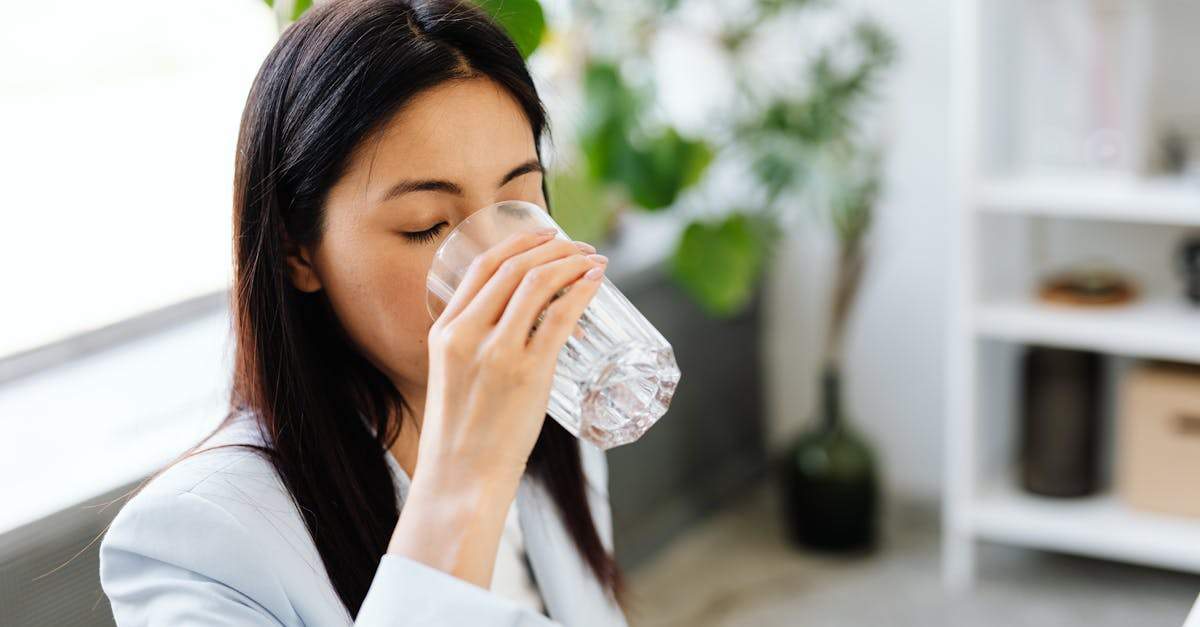
How Drinking Water Can Accelerate Your Weight Loss Journey is not just a catchy idea; it is a research-supported approach that can nudge appetite, metabolism, movement, and mindset in your favor. When you prioritize drinking water to lose weight, you unlock a low-cost, low-effort tool that improves fullness, increases daily energy, and helps you make better food choices. In this comprehensive guide, you will learn how drinking water helps weight loss, the best time to drink water for weight loss, the role of drinking water before meals weight loss, and practical water intake recommendations for weight loss so you can act with clarity.
Why Hydration Matters When You Want To Lean Out
Many weight loss strategies focus exclusively on calories, macros, and workouts. But hydration underpins all three. Choosing drinking water to lose weight as a daily habit stabilizes energy, sharpens focus, supports digestion, and reduces needless snacking that often stems from thirst mistaken for hunger. The benefits of drinking water for weight loss include subtle yet compounding effects on appetite, metabolic rate, and training output.
Think of water as a performance amplifier for your body. The effects of hydration on weight loss are broad: better regulation of appetite hormones, improved thermogenesis, fewer liquid calories, and more consistent activity. If you have ever wondered, does drinking water help you lose weight, the short answer is yes, especially when combined with balanced nutrition, sufficient protein, movement, and sleep.
The Science: How Drinking Water Helps Weight Loss
If your goal is drinking water to lose weight, it helps to understand the mechanisms so you can use them deliberately and consistently.
Thermogenesis and the metabolism boost
Research shows that drinking water can produce a modest thermogenic effect, especially when cool water slightly raises energy expenditure as your body warms it to core temperature. This contributes to a small but meaningful drinking water and metabolism boost. While this is not a massive calorie burn, the cumulative effect across multiple glasses per day compounds over time. Pairing hydration with daily walks, resistance training, and high-protein meals magnifies the result.
Appetite regulation and pre-meal fullness
Satiety is one of the most direct benefits of drinking water for weight loss. A glass or two of water before meals increases stomach volume temporarily and can reduce hunger, helping you eat fewer calories without feeling deprived. That is why drinking water before meals weight loss is a powerful habit for appetite management. If you have asked, does drinking water help you lose weight, note that pre-meal hydration consistently helps people reduce intake by nudging hunger signals in their favor.
Hydration, performance, and daily movement
Mild dehydration can lower energy, reduce workout output, and subtly increase cravings. When you stay hydrated, you move more, train better, and maintain higher non-exercise activity throughout the day. In other words, the effects of hydration on weight loss extend to your steps, posture, fidgeting, and overall vitality. Better training sessions also mean better muscle maintenance during a calorie deficit, which helps preserve a higher metabolic rate.
How Much Water To Drink For Weight Loss
There is no one-size-fits-all number, but there are clear water intake recommendations for weight loss you can personalize. The goal is to support energy, appetite control, digestion, and performance without overdoing it.
Simple starting points
- Use this baseline: 30 to 35 milliliters of water per kilogram of body mass daily. For a 75 kg person, that is roughly 2.2 to 2.6 liters.
- Or use a quick heuristic: 8 to 10 cups per day and add more with exercise, hot weather, altitude, or high-fiber intake.
- Add 250 to 500 milliliters for every 30 minutes of sweaty exercise.
These are practical water intake recommendations for weight loss, and they answer the common question how much water to drink for weight loss without turning your routine into a math exercise. Track your energy, bathroom frequency, and hunger to fine-tune the target.
Personalization factors
- Body size: Larger individuals generally need more water.
- Climate: Hot, humid environments increase fluid requirements.
- Activity level: The more you move and sweat, the more you need.
- Diet composition: Higher fiber or higher protein intake often benefits from more fluid to support digestion and satiety.
- Caffeine and alcohol: These can modestly increase fluid needs in some people.
Listening to thirst works better when you are already well hydrated. Many people who aim for drinking water to lose weight benefit from setting a bottle target, then adjusting based on clear cues like urine color, energy, and hunger.
Electrolytes and balance
As you increase water, remember electrolytes. A pinch of salt with meals, mineral water, or an electrolyte tab during long workouts can help you avoid diluted electrolytes when you drink more. This balance supports energy, reduces cramps, and keeps hydration strategies sustainable.
The Best Time To Drink Water For Weight Loss
Timing helps you turn hydration into targeted leverage. Knowing the best time to drink water for weight loss ensures that each glass does more for you.
Morning primer
Start your day with 300 to 500 milliliters of water. Overnight you lose fluid through breathing. Morning hydration restores blood volume, supports alertness, and can curb early snacking. It sets the tone for consistent drinking water to lose weight throughout the day.
Pre-meal habit for appetite control
Drink 300 to 500 milliliters 20 to 30 minutes before meals. This is the core of drinking water before meals weight loss and reduces the chance of overeating. Place your glass on the table before the first bite to reinforce the ritual. Many people find this single practice answers the question does drinking water help you lose weight with a confident yes.
Before and during training
Drink 300 to 500 milliliters in the hour before training and sip during your session, especially if it is hot or high intensity. Hydration supports performance, which boosts calorie burn and preserves muscle. That translates to a steady drinking water and metabolism boost over time.
Evening and sleep
Continue hydrating through dinner but taper in the final hour before bed to minimize sleep interruptions. Good sleep improves appetite regulation and recovery, amplifying the benefits of drinking water for weight loss by keeping hormones and cravings in check.
Practical Weight Loss Tips: Drinking Water That Works In Real Life
You do not need complicated rules to use drinking water to lose weight. Stack simple habits to make the right choice automatic.
- Front-load the day: Aim for half your daily water by mid-afternoon. Energy and appetite benefit most earlier in the day.
- Use a bottle you love: A 600 to 1000 milliliter bottle makes targets visible and achievable.
- Attach it to triggers: Wake up, commute, start work blocks, pre-meal, workout, and post-meal are perfect hydration anchors.
- Flavor without calories: Citrus slices, mint, cucumber, or a splash of unsweetened tea water make drinking more enjoyable.
- Include hydrating foods: Fruit, vegetables, soups, and stews contribute meaningful fluid volume and fiber.
- Mind liquid calories: Replacing sugary drinks with water is one of the most potent weight loss tips drinking water can deliver.
- Set smart reminders: Use watch timers or app nudges tied to real moments, not random intervals.
- Prepare for travel: Pack a collapsible bottle and refill after security; plan stops to keep your routine intact.
These simple moves anchor how drinking water helps weight loss in your daily routines, so you get steady returns without mental strain.
Hydrating Foods, Teas, and Zero Calorie Options
Water does not have to be plain. Expanding your hydration toolkit makes consistency easier and strengthens your commitment to drinking water to lose weight.
- Sparkling water: The bubbles add variety and satiety for some people. Choose unsweetened options.
- Unsweetened tea or cold brew herbal tea: Great flavor and near-zero calories. Watch caffeine late in the day.
- Broths and soups: Hydration plus satiety. Vegetable or bone broth can double as a savory snack.
- High-water foods: Cucumbers, tomatoes, lettuce, watermelon, oranges, and berries add both fluid and fiber.
These choices help reduce calorie intake while enhancing taste and satisfaction, reinforcing the practical effects of hydration on weight loss.
Frequently Asked Questions
Does drinking water help you lose weight?
Yes, especially when used strategically. It helps you eat fewer calories by improving satiety, can modestly raise energy expenditure, reduces liquid calorie intake, and supports performance in the gym and daily life. Combined with sufficient protein, fiber, and steps, drinking water to lose weight accelerates progress.
How much water to drink for weight loss if I hate tracking?
Use two to three full bottles per day as your target, where each bottle is 600 to 1000 milliliters. Add one extra bottle on training days. This is a simple way to meet water intake recommendations for weight loss without counting cups.
Can I drink too much water?
Yes. Overhydration can dilute electrolytes. If you are drinking many liters per hour or forcing water far beyond thirst, scale back. Include electrolytes during long workouts and add a pinch of salt to meals as needed. If you have kidney, heart, or endocrine conditions, consult your clinician for personal guidance.
Is sparkling water as good as still water?
For most people, yes. If it helps you drink more without adding calories, it supports how drinking water helps weight loss. If carbonation causes bloating, switch to still water or herbal teas.
What about diet soda?
Diet soda can help some people reduce calories, but for appetite, hydration, and health, prioritize water, seltzer, and unsweetened tea. Use diet soda strategically rather than as your main fluid source.
A 7-Day Hydration Action Plan
Use this plan to experience the benefits of drinking water for weight loss right away. Adapt volumes to your size and activity.
Daily schedule template
- Wake-up: 300 to 500 milliliters with a pinch of salt or a squeeze of citrus.
- Pre-breakfast: Another 250 to 300 milliliters if you plan a smaller breakfast or a morning workout.
- Mid-morning: 300 milliliters during your first work block.
- Pre-lunch: 300 to 500 milliliters 20 to 30 minutes before eating.
- Mid-afternoon: 300 milliliters with a protein-rich snack, especially if cravings hit.
- Pre-dinner: 300 to 500 milliliters 20 to 30 minutes before your meal.
- Evening: 200 to 300 milliliters after dinner, then taper to protect sleep.
By day three to four, many people notice better energy, fewer cravings, and easier portion control. That is the lived proof behind the question does drinking water help you lose weight.
Make It Stick: Habit Systems That Support Hydration
Strategy matters, but systems are what keep drinking water to lose weight effortless.
- Design your environment: Keep water visible. Place bottles on your desk, in your bag, and in the car.
- Batch your prep: Fill two bottles each evening so you start strong the next day.
- Stack habits: Pair sips with tasks you already do: email checks, meetings, commute, or meal prep.
- Use social accountability: Share daily hydration wins with a friend or group chat.
- Track simply: Use a tally of bottles, not every sip. Small wins are easier to maintain.
These habit stacks embody how drinking water helps weight loss in the background, so you free up mental bandwidth for food quality and movement.
Common Barriers And How To Beat Them
I do not like the taste of plain water
Add citrus, mint, berries, or a splash of unsweetened tea. Use a chilled bottle, or choose sparkling water for variety. This keeps drinking water to lose weight enjoyable.
I am too busy and forget
Attach hydration to unavoidable cues: after bathroom breaks, every meeting, and pre-meal. Keep your bottle in your line of sight and within reach.
I do not want to wake up at night
Front-load your water earlier in the day and reduce the last hour before bed. Maintain electrolytes so you are not chasing thirst at night.
I travel a lot
Carry a collapsible bottle, refill post-security, and drink a full glass at every sit-down meal. These micro-routines keep your weight loss tips drinking water on track anywhere.
Pair Hydration With Smart Nutrition For Faster Results
Water does more when your meals support satiety and stable energy. Combine drinking water to lose weight with these nutrition anchors:
- Protein first: 25 to 40 grams per meal helps fullness and muscle maintenance.
- Fiber second: Vegetables, legumes, and whole grains slow digestion and support gut health.
- Carb timing: Emphasize complex carbs around training and earlier in the day if it helps appetite.
- Mind fats: Use enough for flavor and satiety, but measure oils and dressings.
- Watch liquid calories: Replace sugar-sweetened beverages with water, seltzer, or tea.
These choices complement the effects of hydration on weight loss by lowering overall calorie intake while keeping meals satisfying.
Hydration And Exercise: Turning Water Into Performance
When you train, hydration protects output and recovery. Pair drinking water to lose weight with these training principles:
- Resistance training 2 to 4 times per week: Preserves lean mass and metabolic rate.
- Daily steps: Aim for a realistic step goal and use water breaks to punctuate walks.
- Pre and intra-workout fluid: 300 to 500 milliliters before training, then sip during longer sessions.
- Post-workout replenishment: Rehydrate based on sweat loss. Add electrolytes when sweat is heavy.
A hydrated body performs better, which feeds back into a steady drinking water and metabolism boost over weeks and months.
Safety Notes And Special Considerations
The majority of healthy adults can safely follow these water intake recommendations for weight loss. If you have chronic kidney disease, heart failure, uncontrolled endocrine disorders, or are on medications that affect fluid balance, consult your clinician to tailor your plan. If you ever experience confusion, severe headaches, nausea, or swelling while aggressively hydrating, pause and seek medical guidance. Balance water with electrolytes, listen to thirst, and avoid force-drinking extreme volumes.
Putting It All Together
Here is the big picture on drinking water to lose weight:
- How drinking water helps weight loss: It improves satiety, modestly boosts energy expenditure, supports training, and displaces liquid calories.
- Best time to drink water for weight loss: Morning, pre-meal, and pre or intra-workout give you the most leverage.
- How much water to drink for weight loss: Start with 30 to 35 milliliters per kilogram per day, then adjust for climate and activity.
- Drinking water before meals weight loss: 300 to 500 milliliters 20 to 30 minutes before meals helps control appetite.
Layer these habits over consistent nutrition, movement, and sleep, and the cumulative effects of hydration on weight loss become impossible to miss. If you ever wonder again, does drinking water help you lose weight, your energy, appetite, and results will answer for you.
A Final Word Of Encouragement
Change does not require perfection. It rewards consistency. Choose one anchor habit today: a morning 500 milliliter glass, a pre-lunch glass, or a dedicated bottle you refill twice before dinner. Small wins compound. Within a week, you will feel the benefits of drinking water for weight loss in your energy, mood, and appetite. Within a month, you will see it on the scale and in your clothes. Keep drinking water to lose weight simple, strategic, and sustainable, and let the momentum build.